
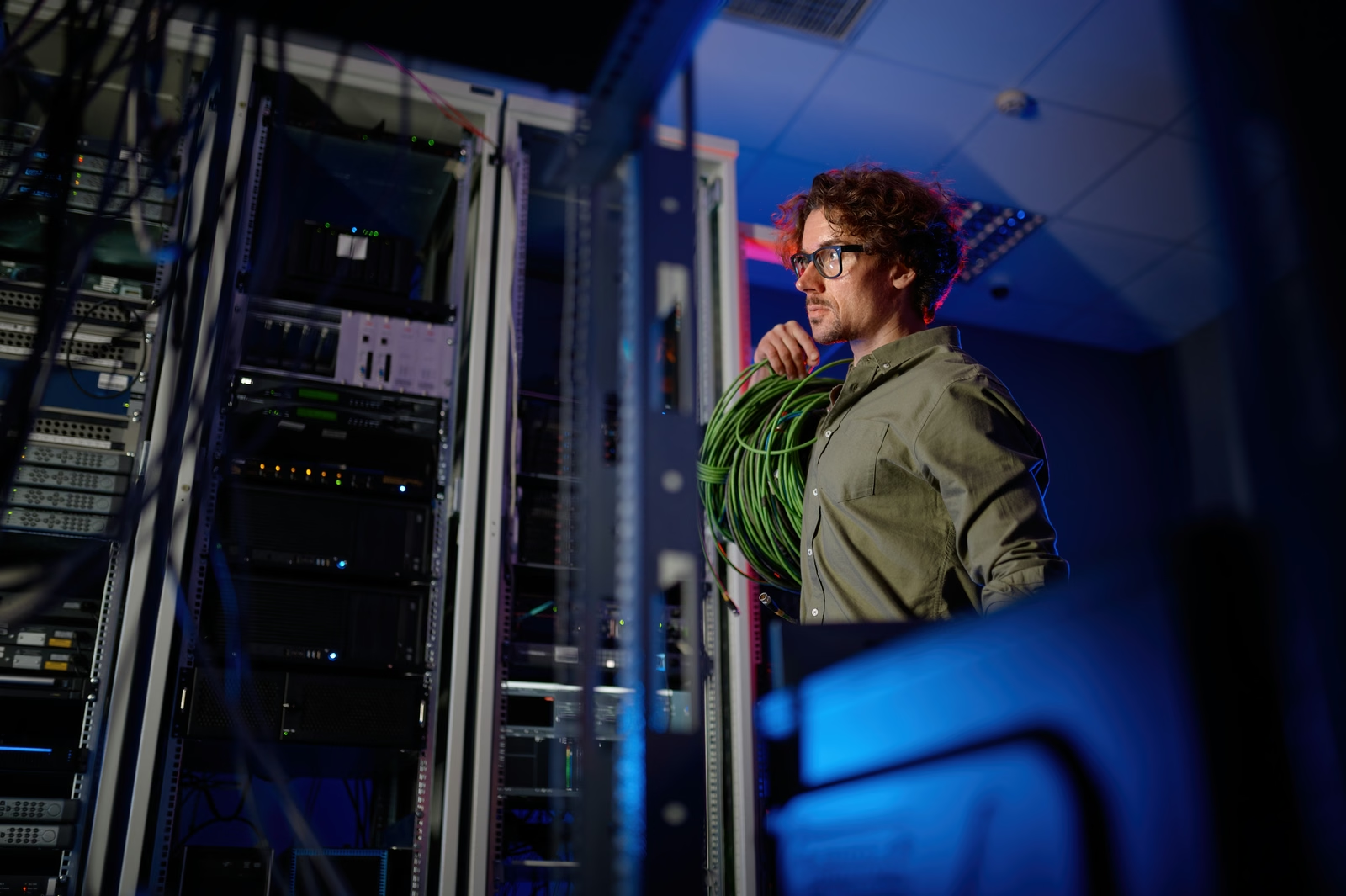
Data center decommissioning is a controlled change project that retires workloads, infrastructure, and records without interrupting systems that must remain live. Here is the full process, from go/no-go to final reconciliation.
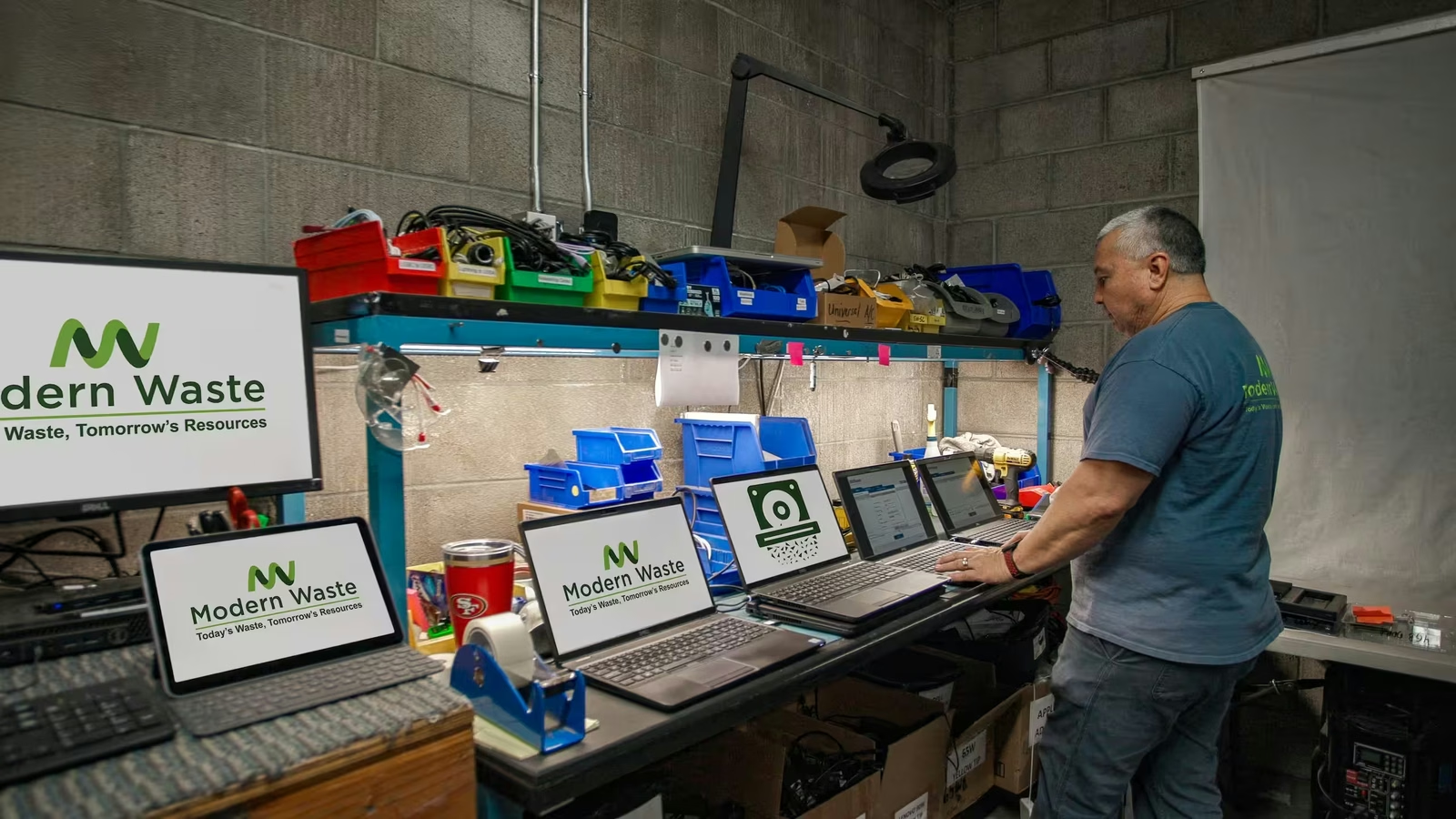
A mature ITAD program connects asset ownership, data security, environmental compliance, logistics, financial recovery, and reconciliation. Here is how the process works, what it costs, and how to evaluate a provider.

IT equipment liquidation converts marketable retired assets into documented financial recovery while routing nonmarketable equipment to responsible recycling. Here is how to decide which path fits each asset.
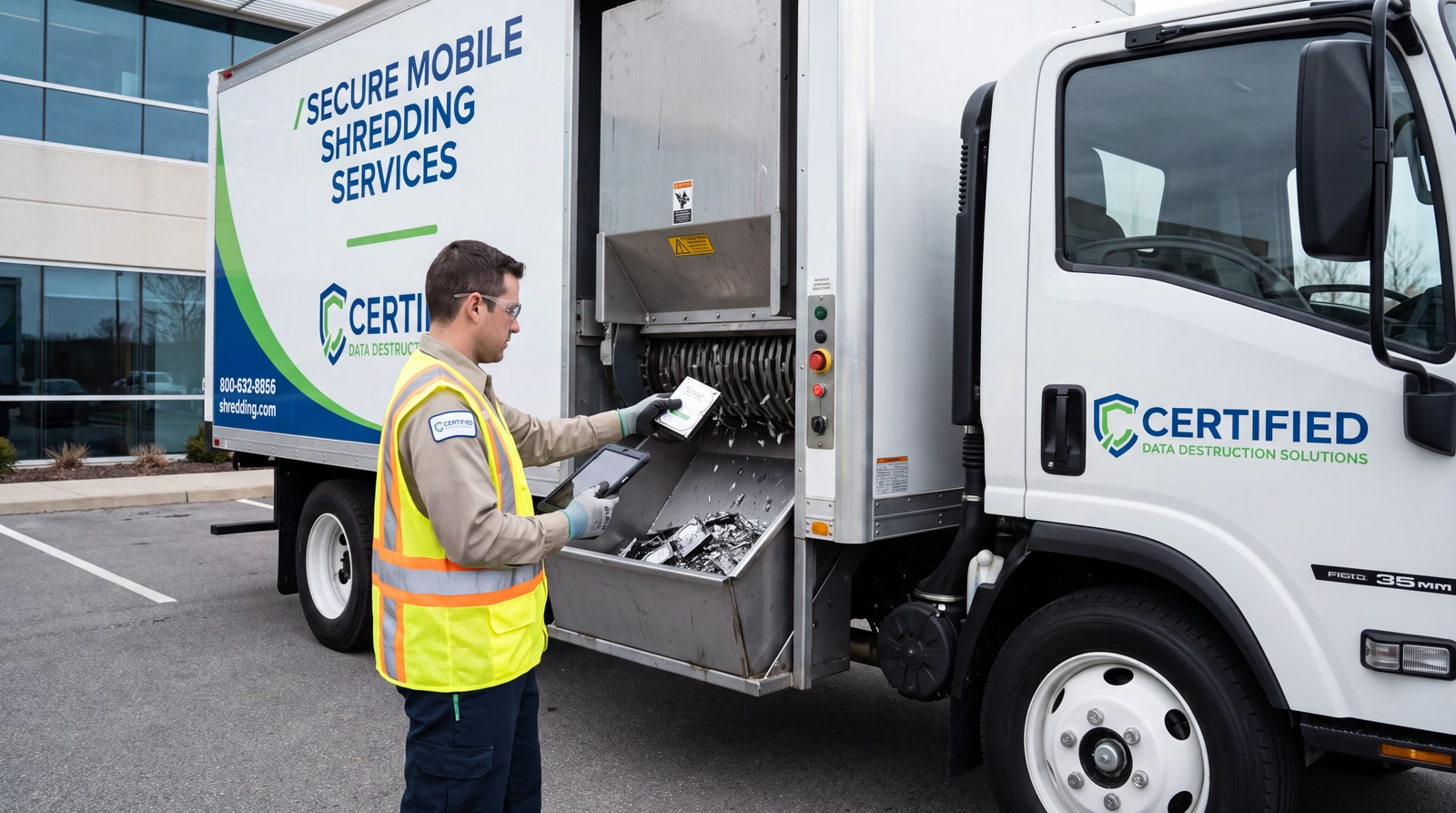
On-site hard drive shredding keeps intact media under your control until it is destroyed. Here is how the process works, what drives the cost per drive, and what proof a vendor should provide.
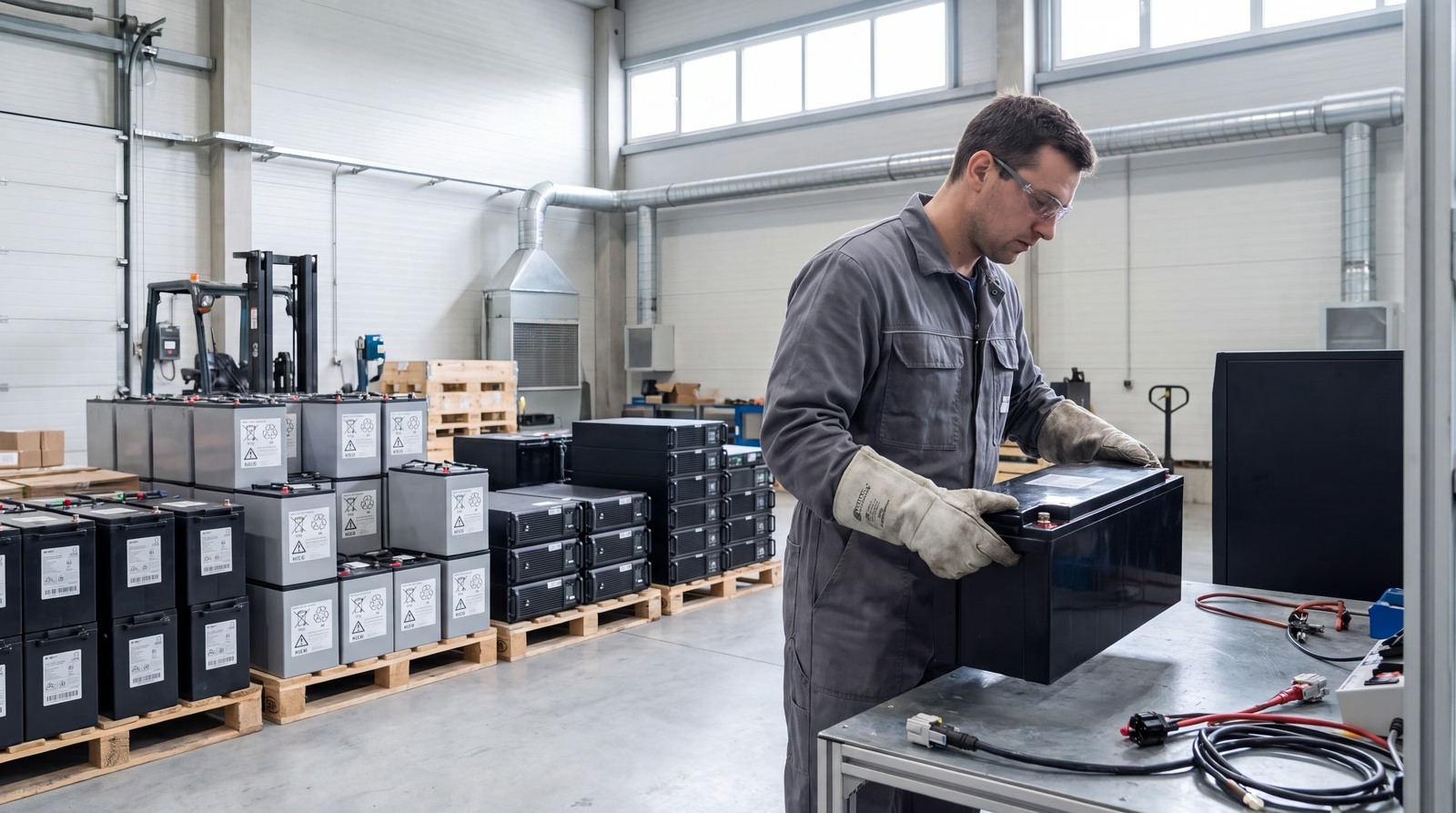
UPS batteries eventually lose capacity or become unsafe, and disposal must account for chemistry, cabinet design, electrical condition, weight, and the records needed after recycling. Here is how to plan the project safely.
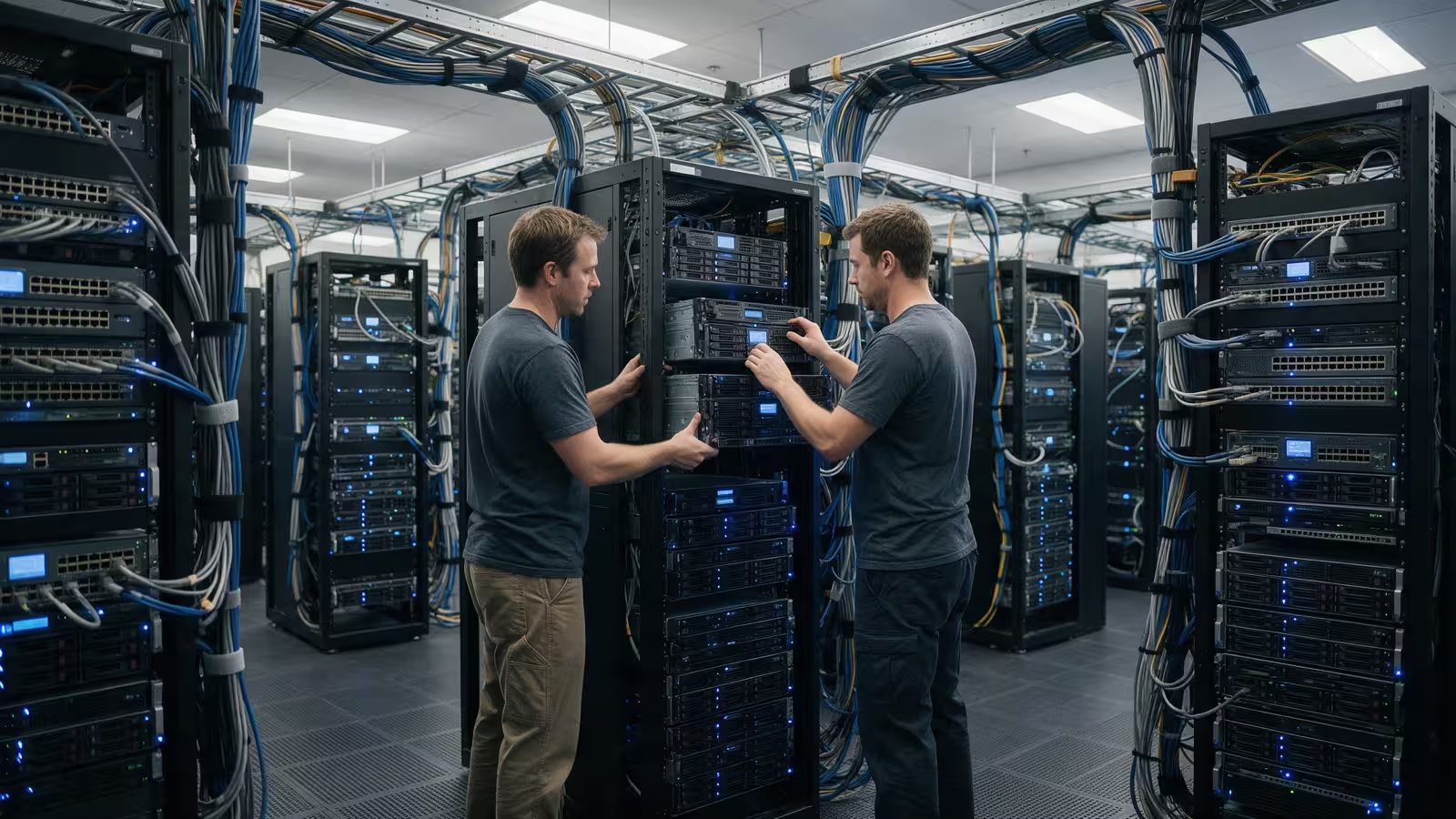
Retiring a server room or data center takes more than unplugging racks. Here is the phased approach California businesses use to protect their data, stay compliant and keep hardware out of the landfill.
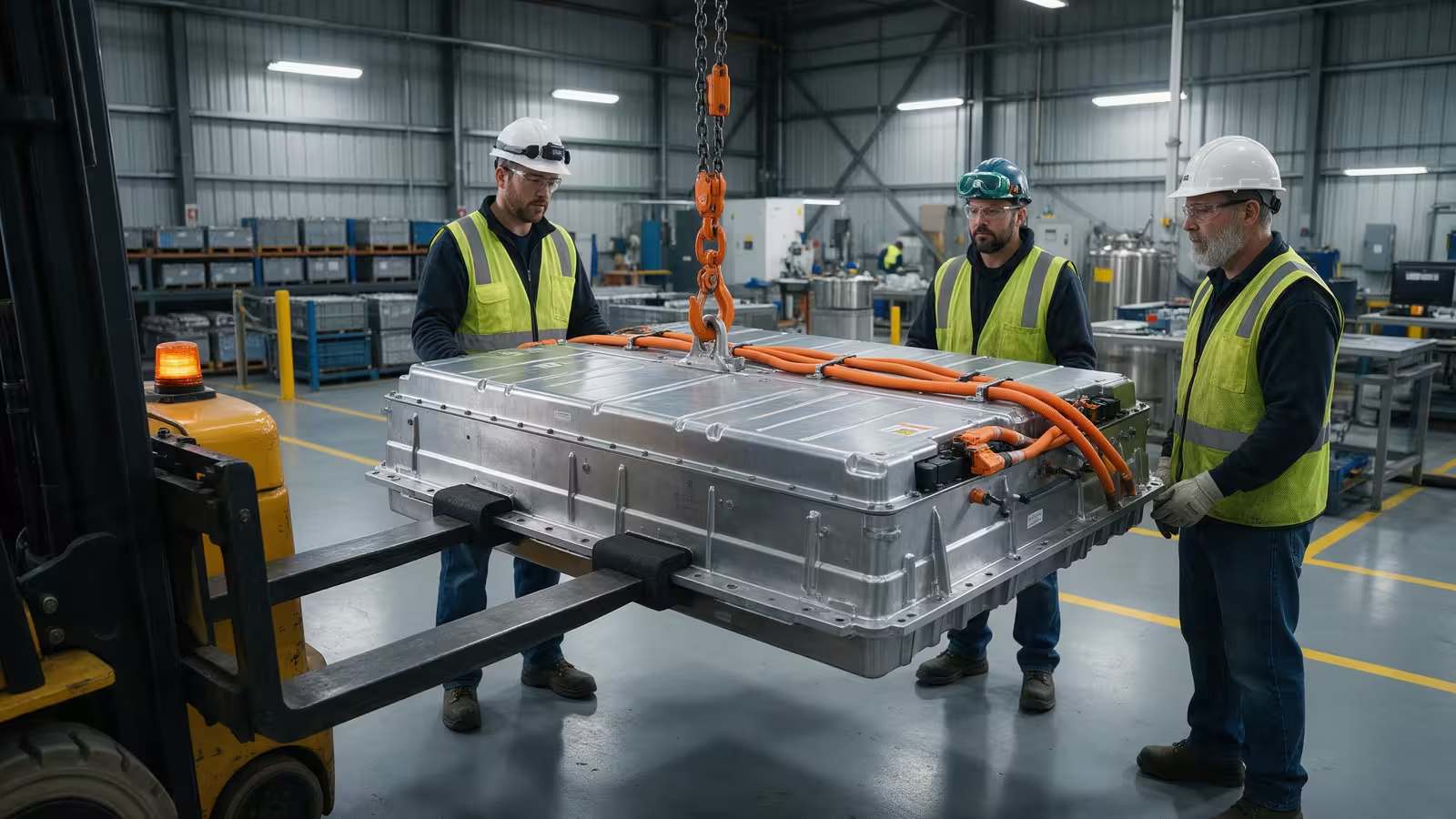
Electric-vehicle and large lithium battery packs are heavy, high-voltage and hazardous when damaged. This guide explains how EV battery recycling works and what California fleets, dealerships and facilities need to handle packs safely and within the rules.
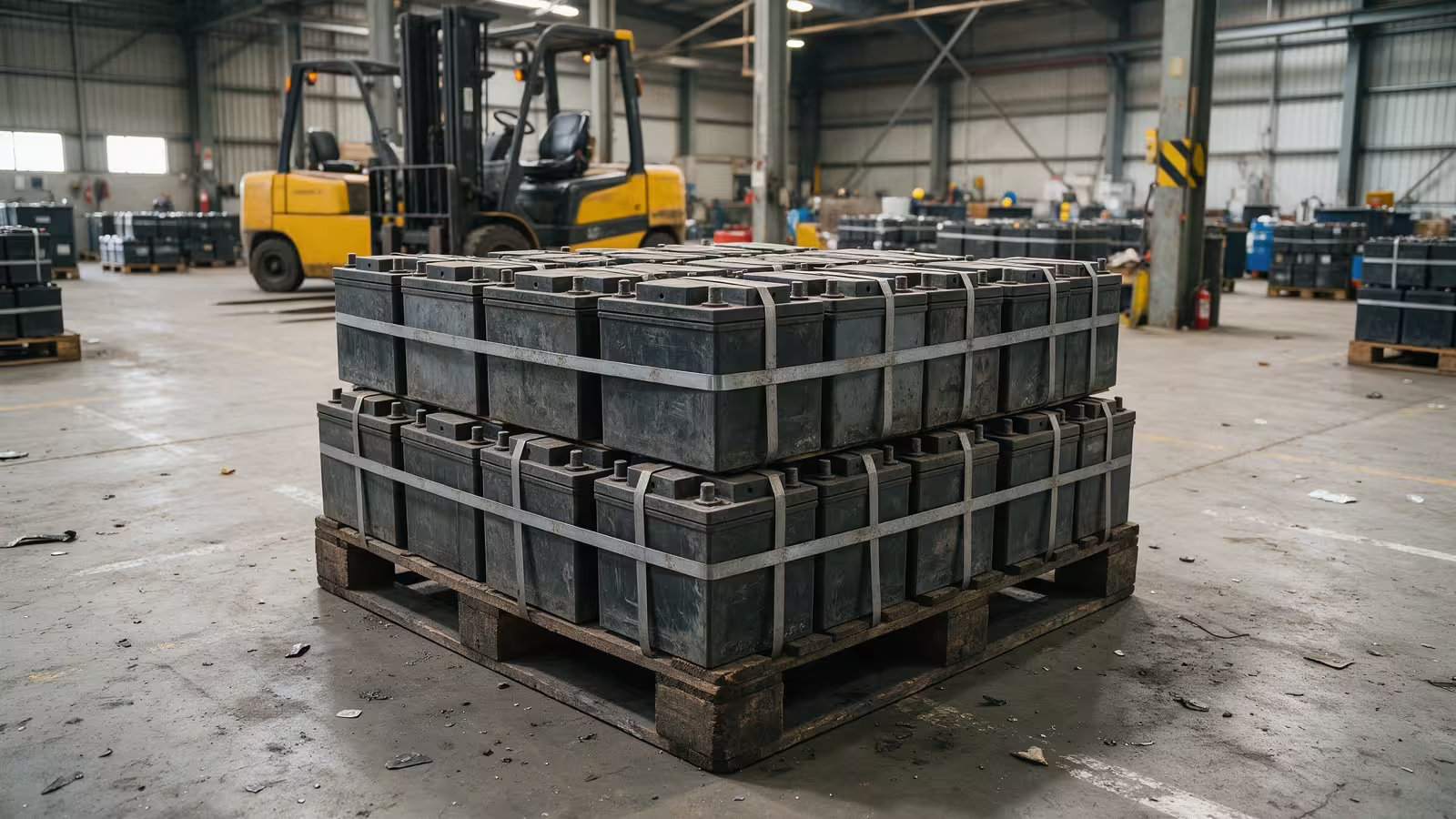
Lead-acid and UPS backup batteries are among the most recyclable materials a facility produces, and they become hazardous waste the moment they are spent. Here is where they hide, how to move them safely and how to stay compliant in California.
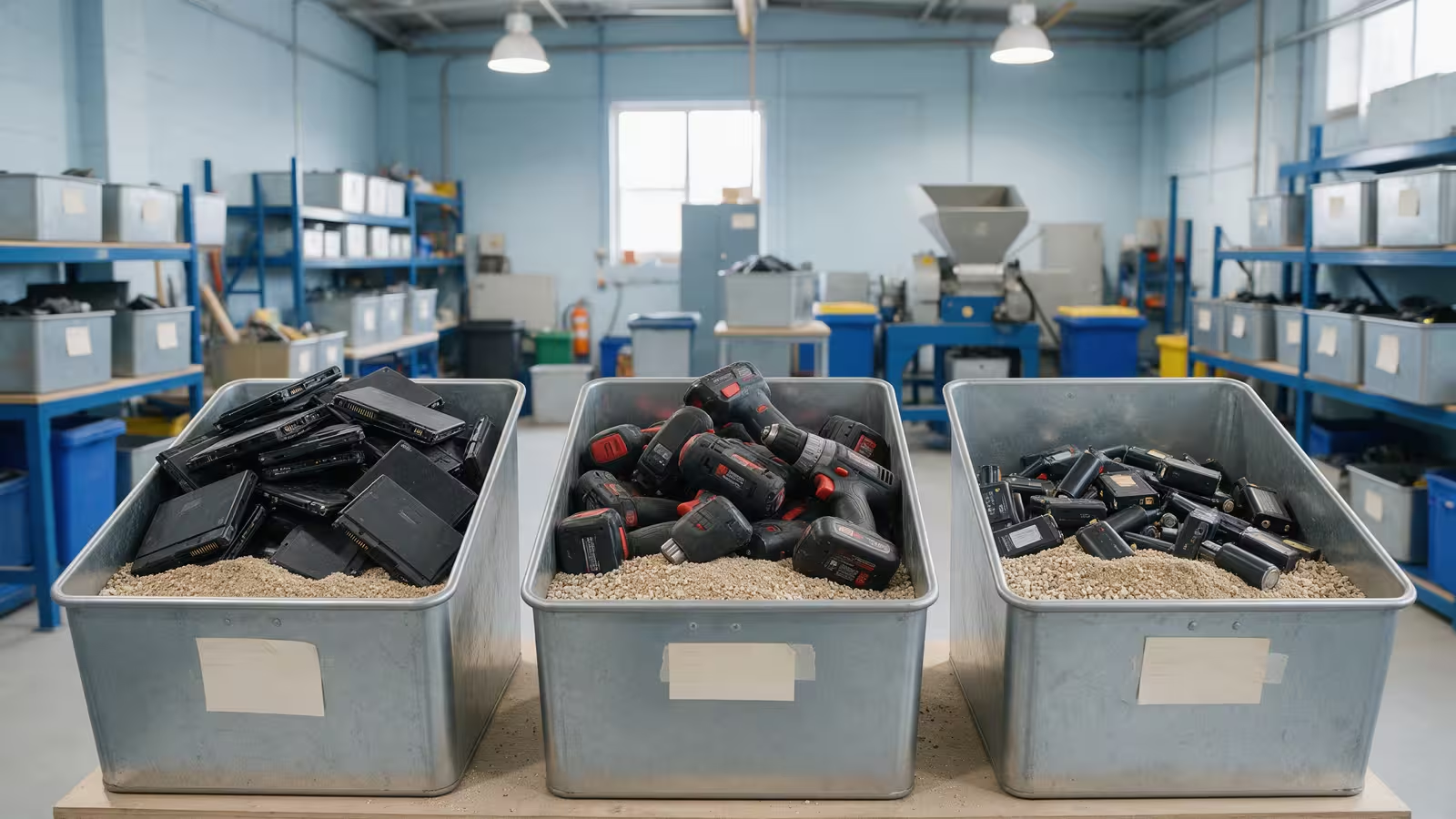
A California business guide to lithium-ion battery recycling: where the batteries come from, fire-safe storage and transport, how materials are recovered and how to set up a compliant program.
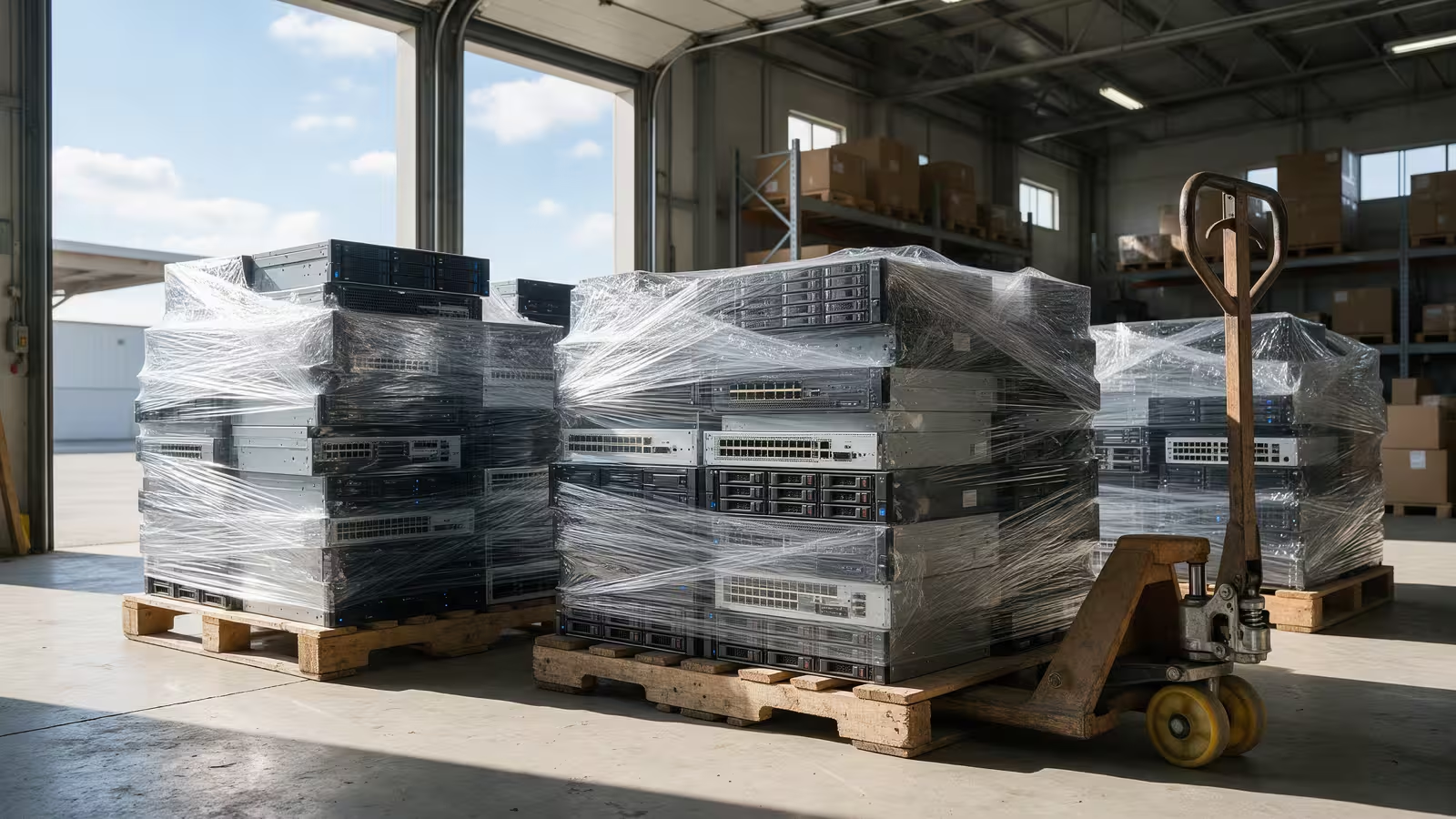
How California businesses should handle server disposal and retired IT equipment: finding data-bearing devices, reuse or recycling, wiping or destruction, safe pickup and the chain-of-custody records to keep.
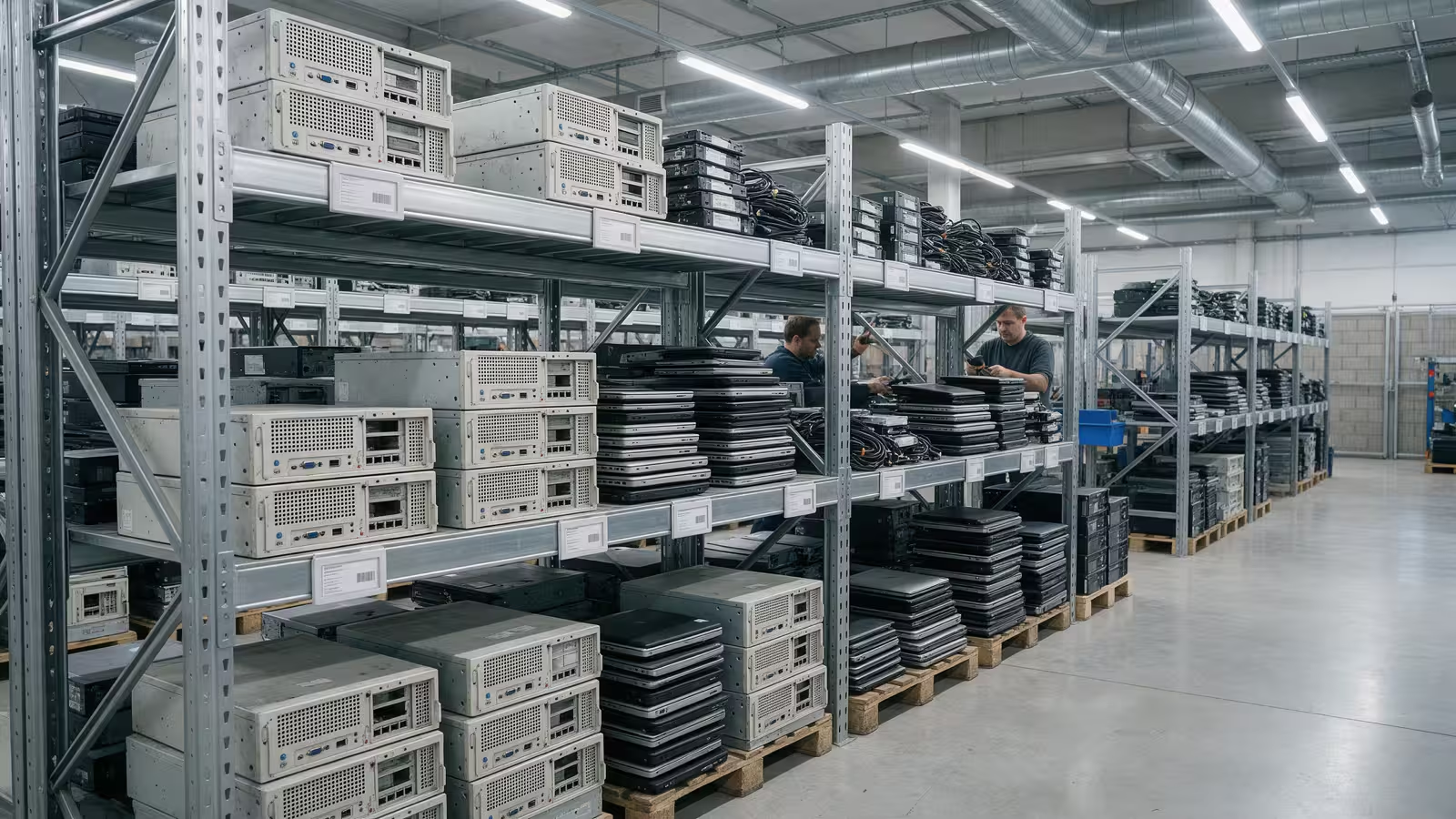
Retired laptops, servers and drives are a data breach risk and regulated e-waste at the same time. IT asset disposition (ITAD) handles both and leaves you with records to prove it. Here is how the process works and how a California business should choose a partner.
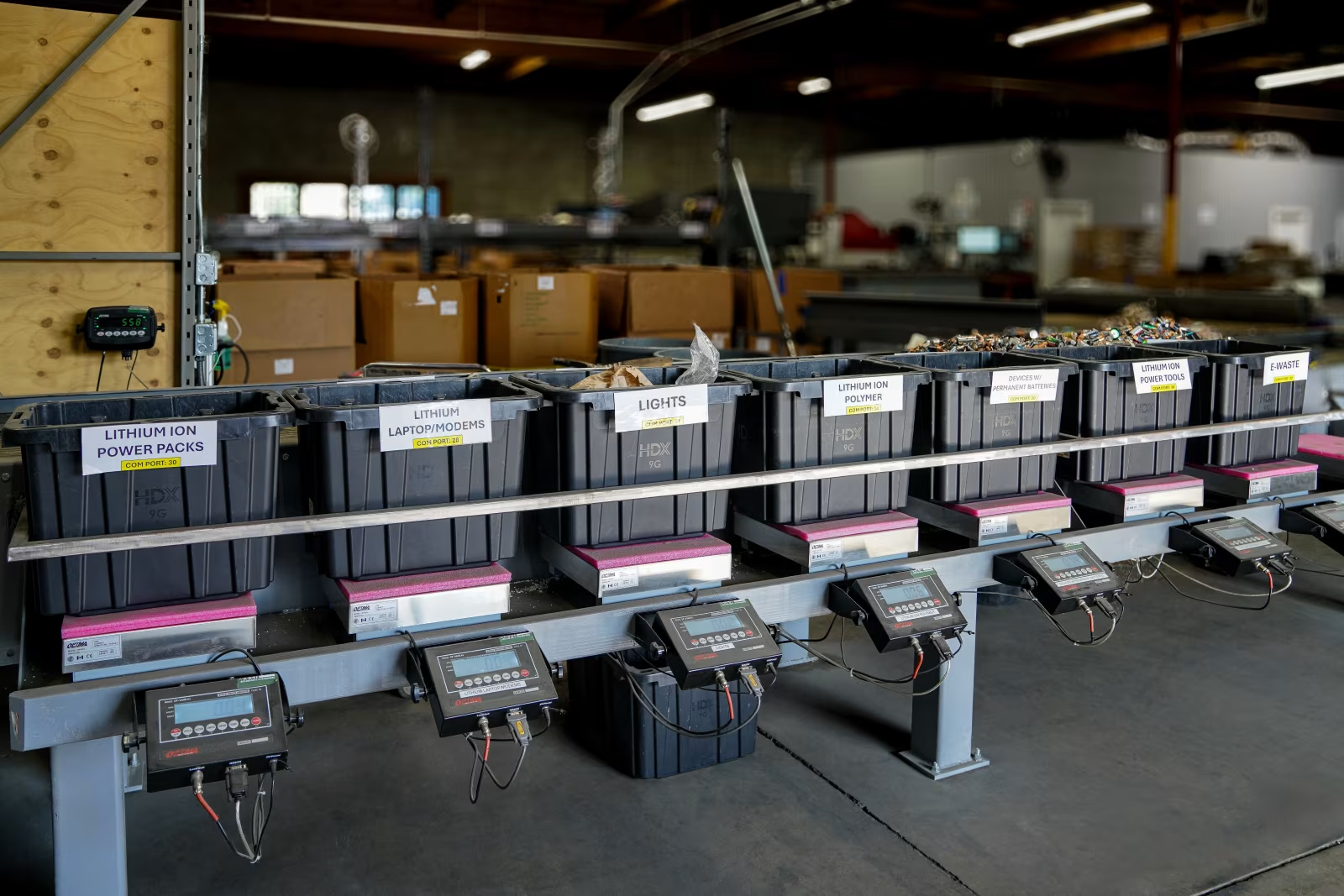
A practical guide to the battery recycling process for California businesses: collection, sorting, storage safety and disposal compliance under DTSC's Universal Waste Rule and OSHA guidance, and how to set up a safe pickup program.
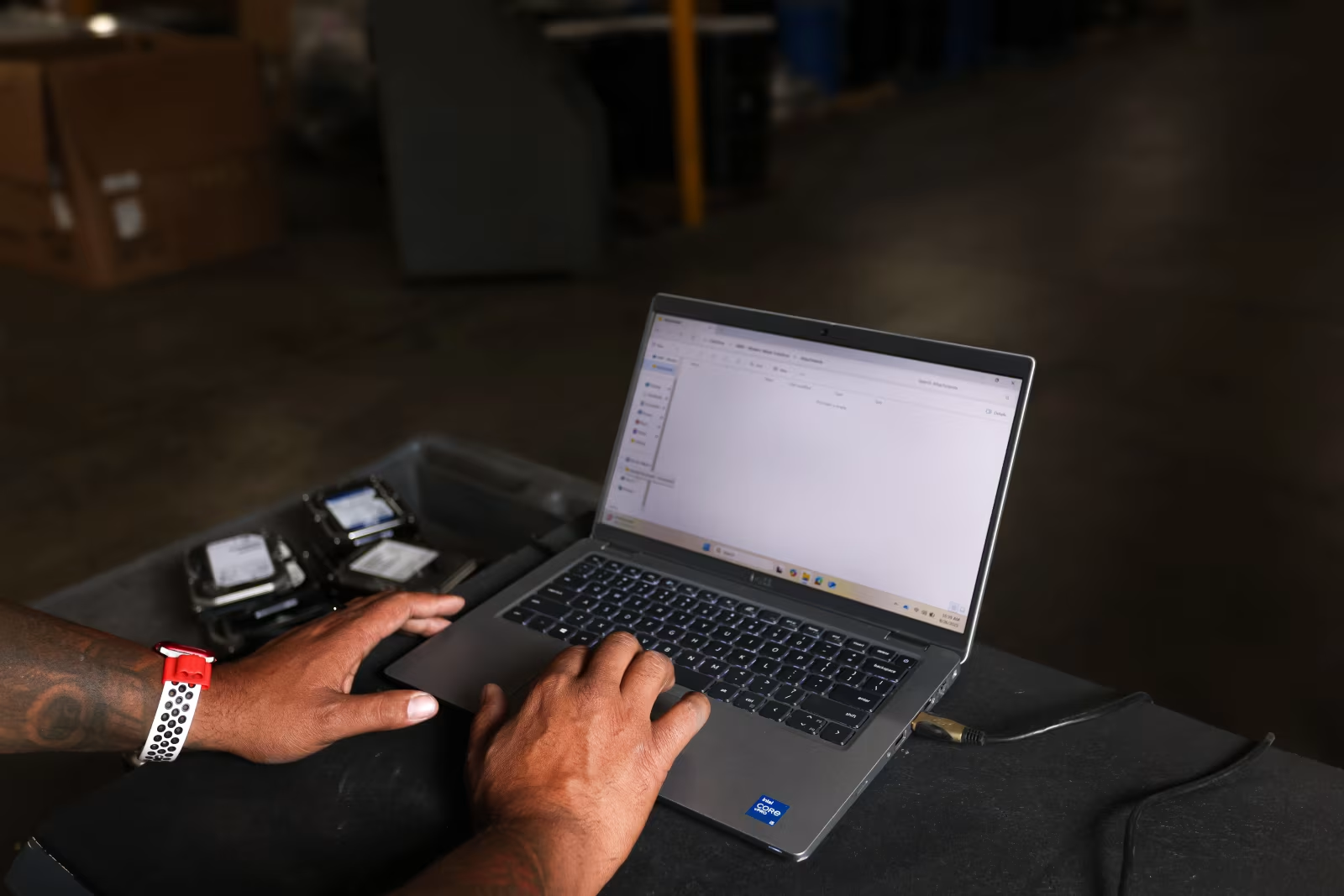
A certificate of data destruction holds up only when it ties specific media to a defined method, a verified result and an accountable chain of custody. Here is what a defensible certificate needs to include.
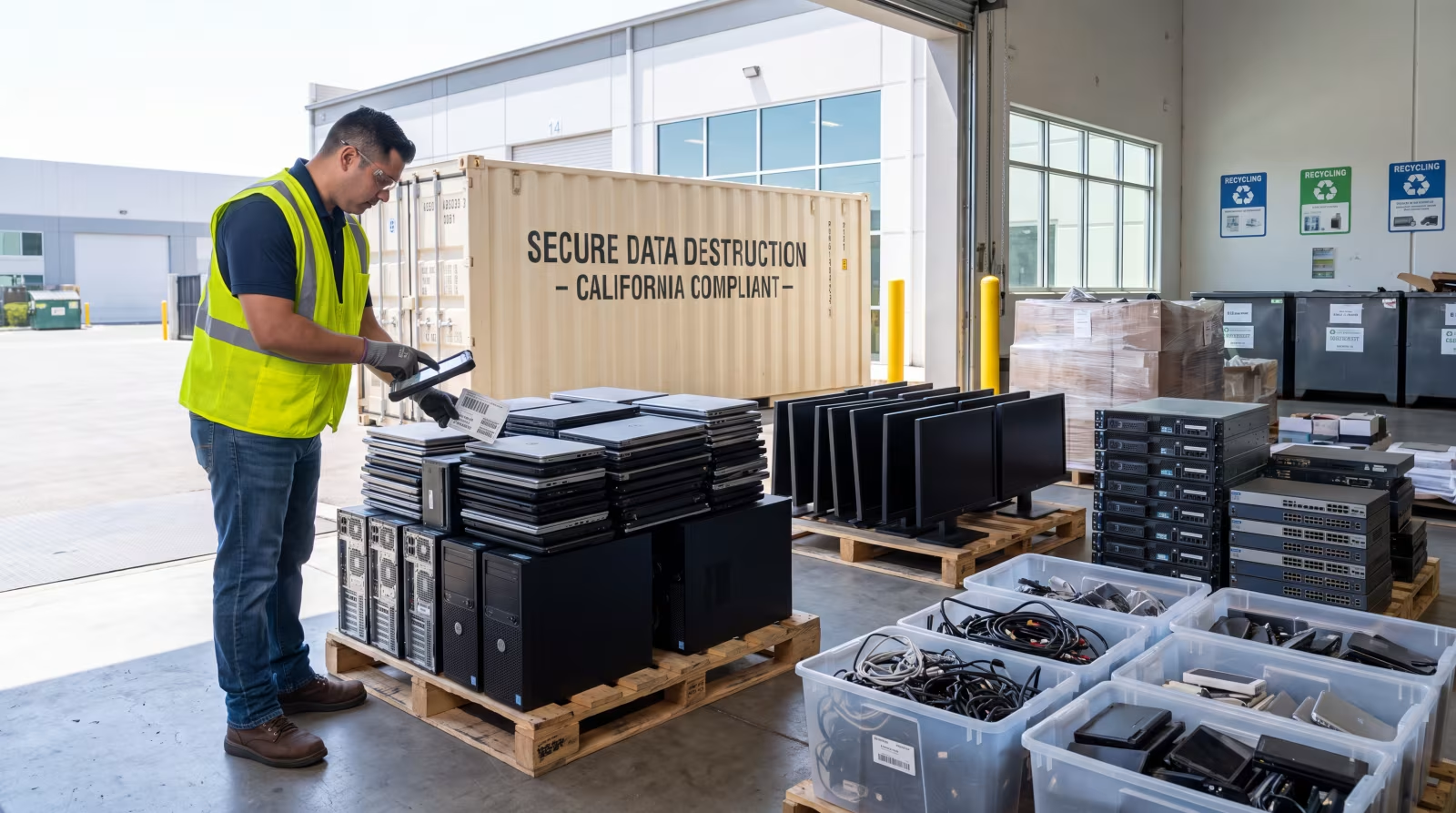
E-waste isn't one legal category. Here's how California businesses should classify equipment, spot hazardous and data-bearing devices, and build a disposal process that holds up to scrutiny.
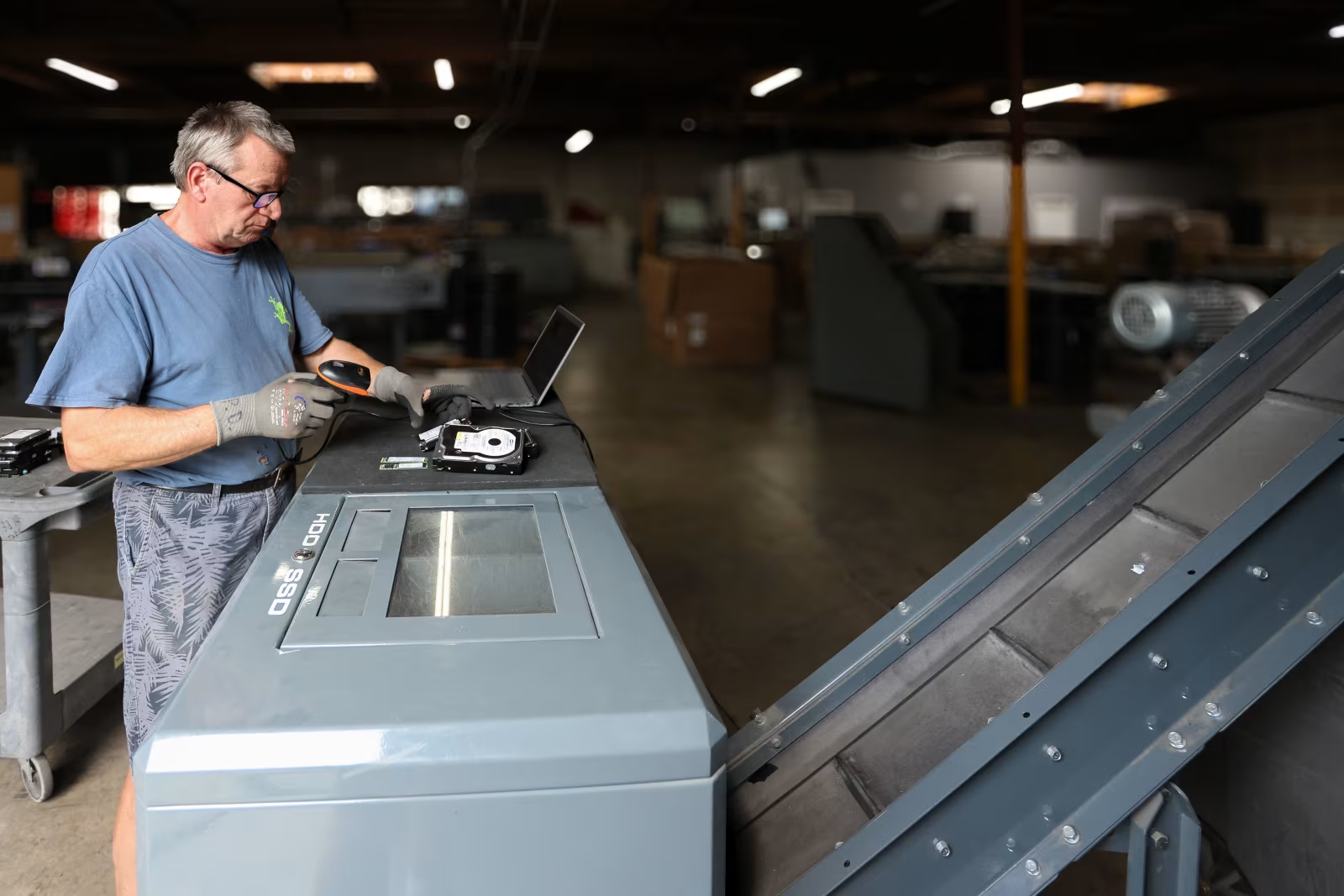
Responsible electronics recycling starts with asset control and ends with reconciled records. Here is the full workflow a business can follow, from inventory through final reporting.
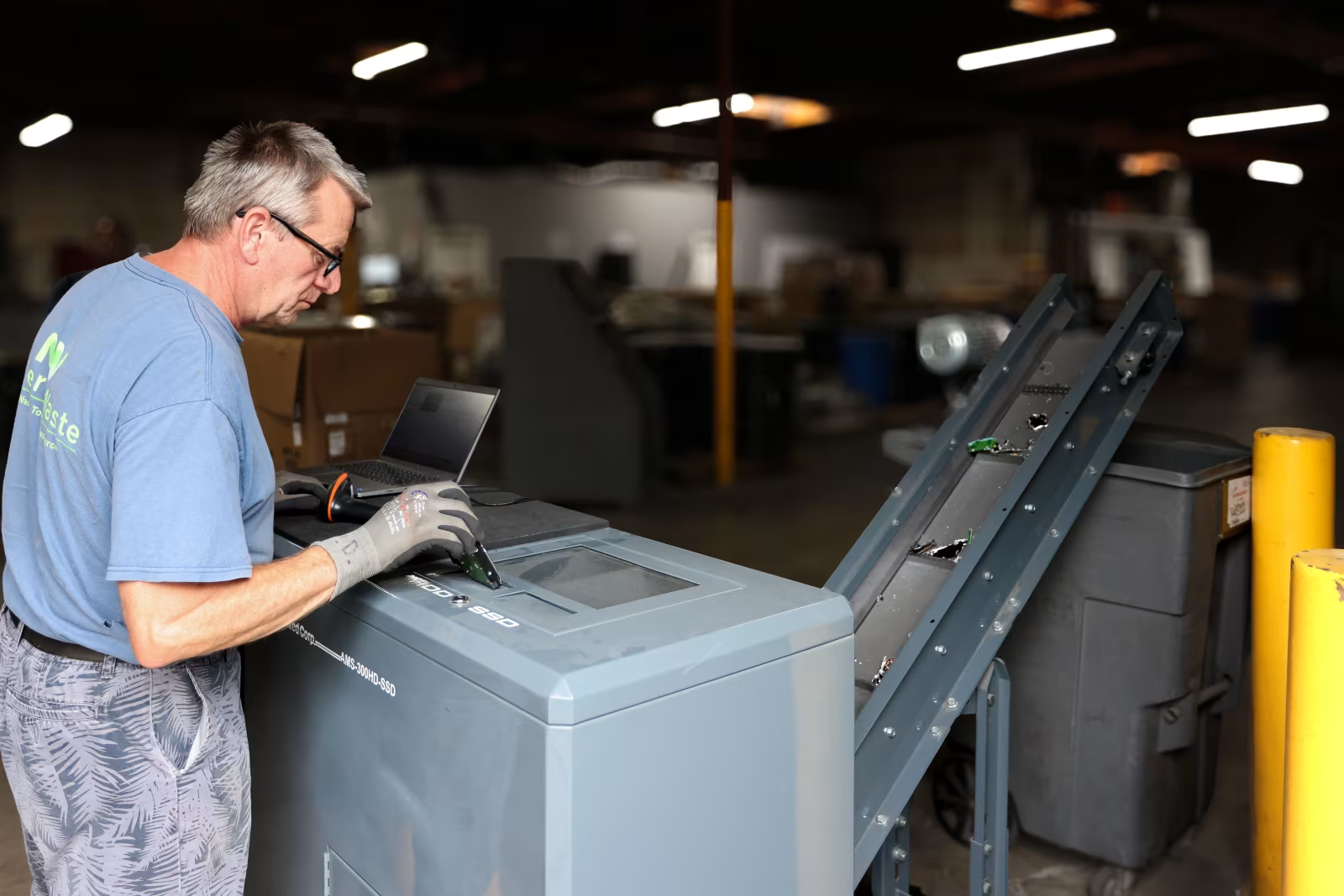
The right data destruction method depends on the media, how sensitive the data is, whether the device will be reused and what evidence you need. Here is how to choose, document and verify Clear, Purge and Destroy outcomes under NIST SP 800-88.
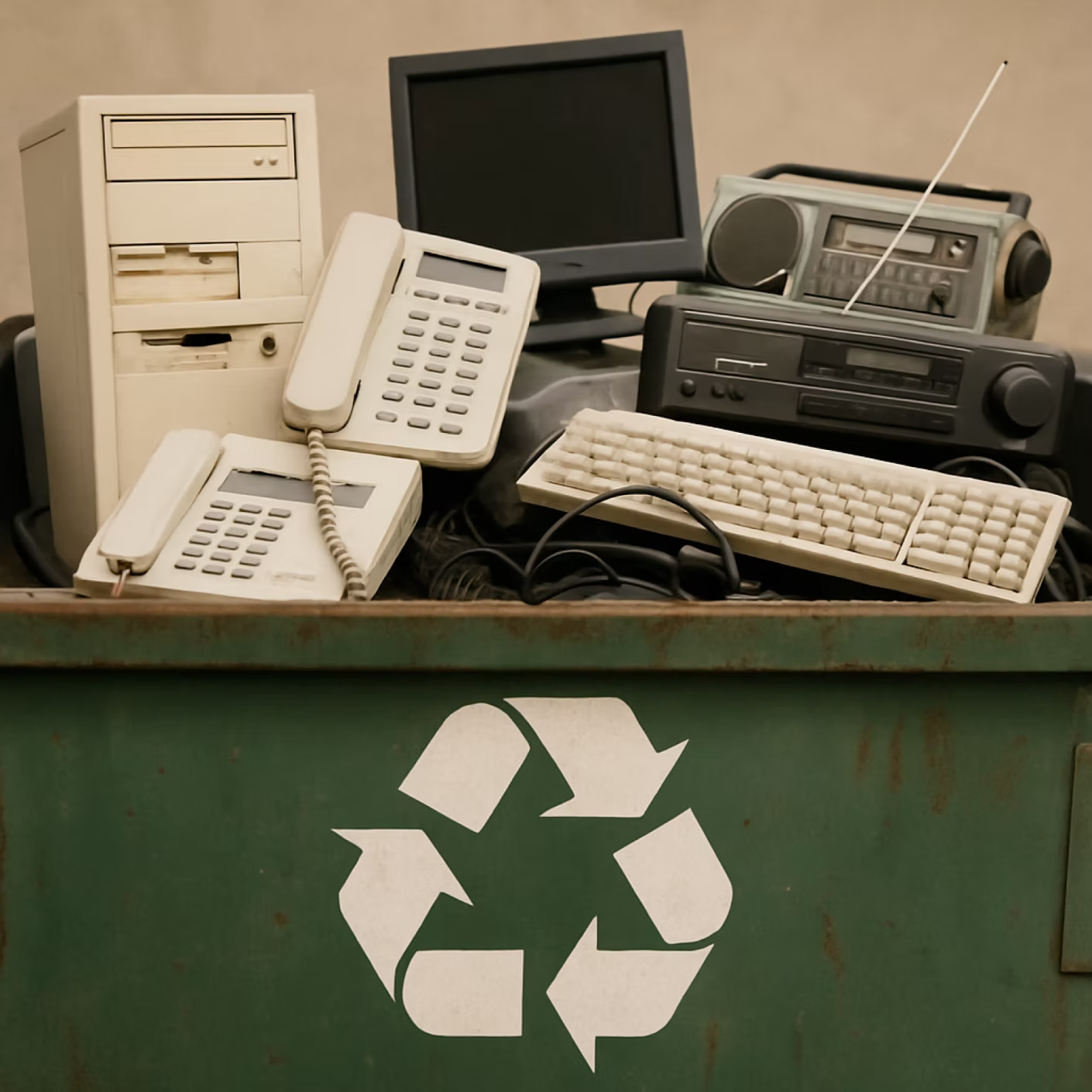
Old laptops, monitors, phones and printers can't go in the trash in California. Here is where businesses and households in the Sacramento area can recycle old electronics, and how to prepare them first.

An office move, closure or consolidation leaves behind computers, servers, copiers and batteries. Here is how to clear them out on schedule, protect the data on them and keep the paperwork you will need later.

How California businesses decide whether a waste is hazardous, which everyday streams usually are, and what changes once the answer is yes.
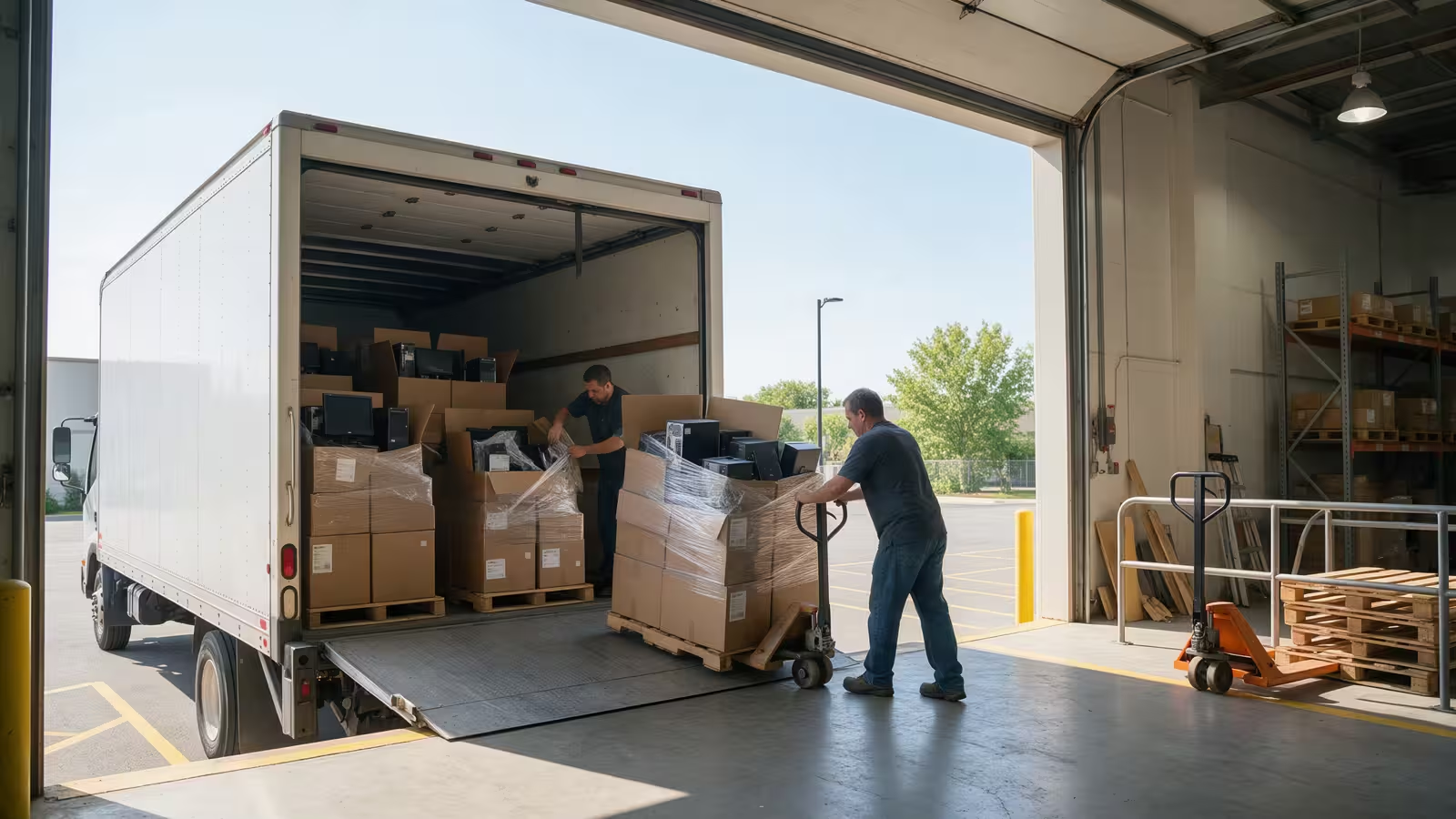
Compliant e-waste and battery recycling means sorting, data security, hazardous material handling, transport and paperwork. Here is how one managed program takes all of it off your staff's plate.
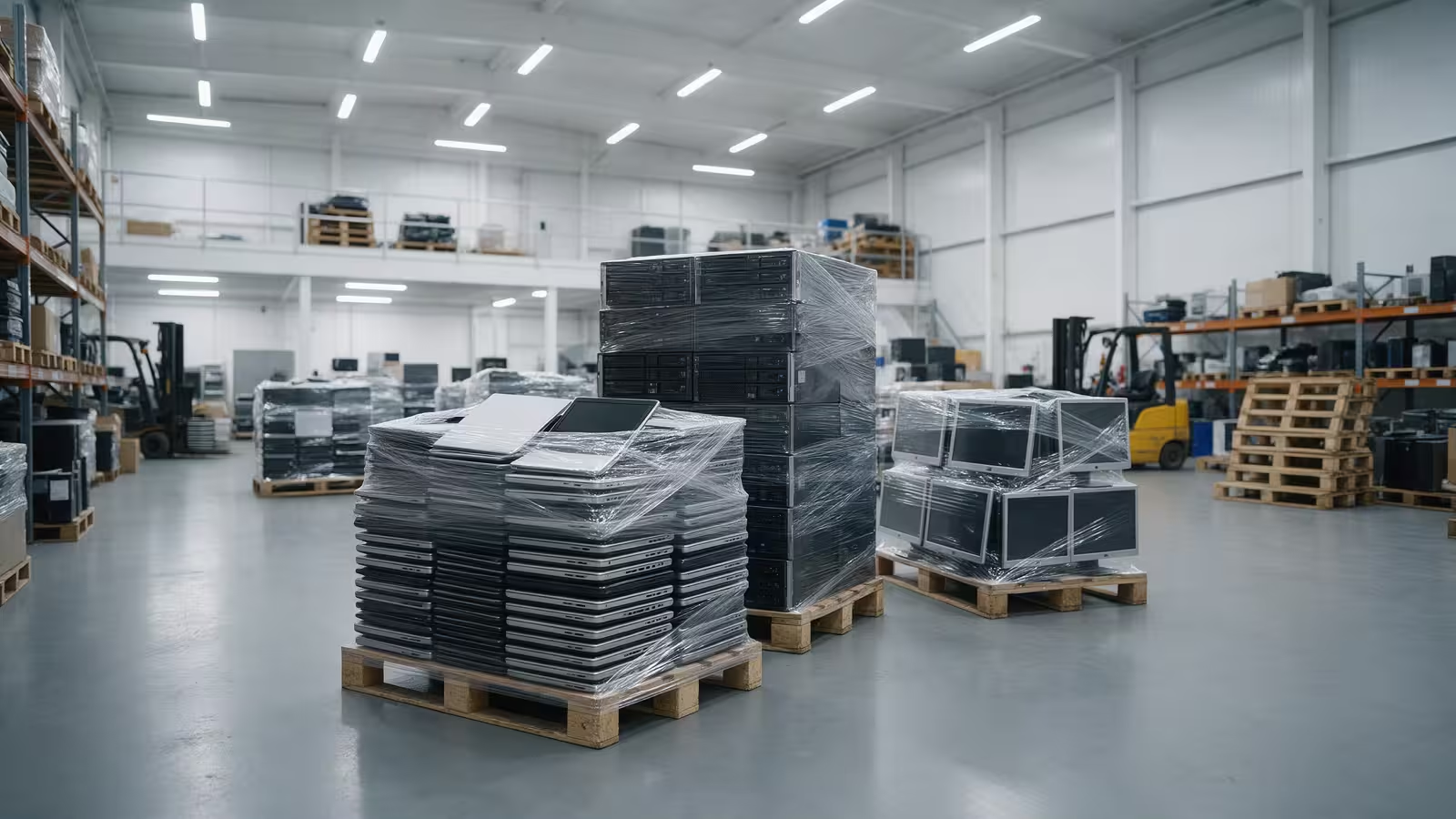
Retiring old equipment is one of the few sustainability actions you can measure, audit and report. Here is how e-waste recycling turns IT asset disposal into ESG evidence for a California business.
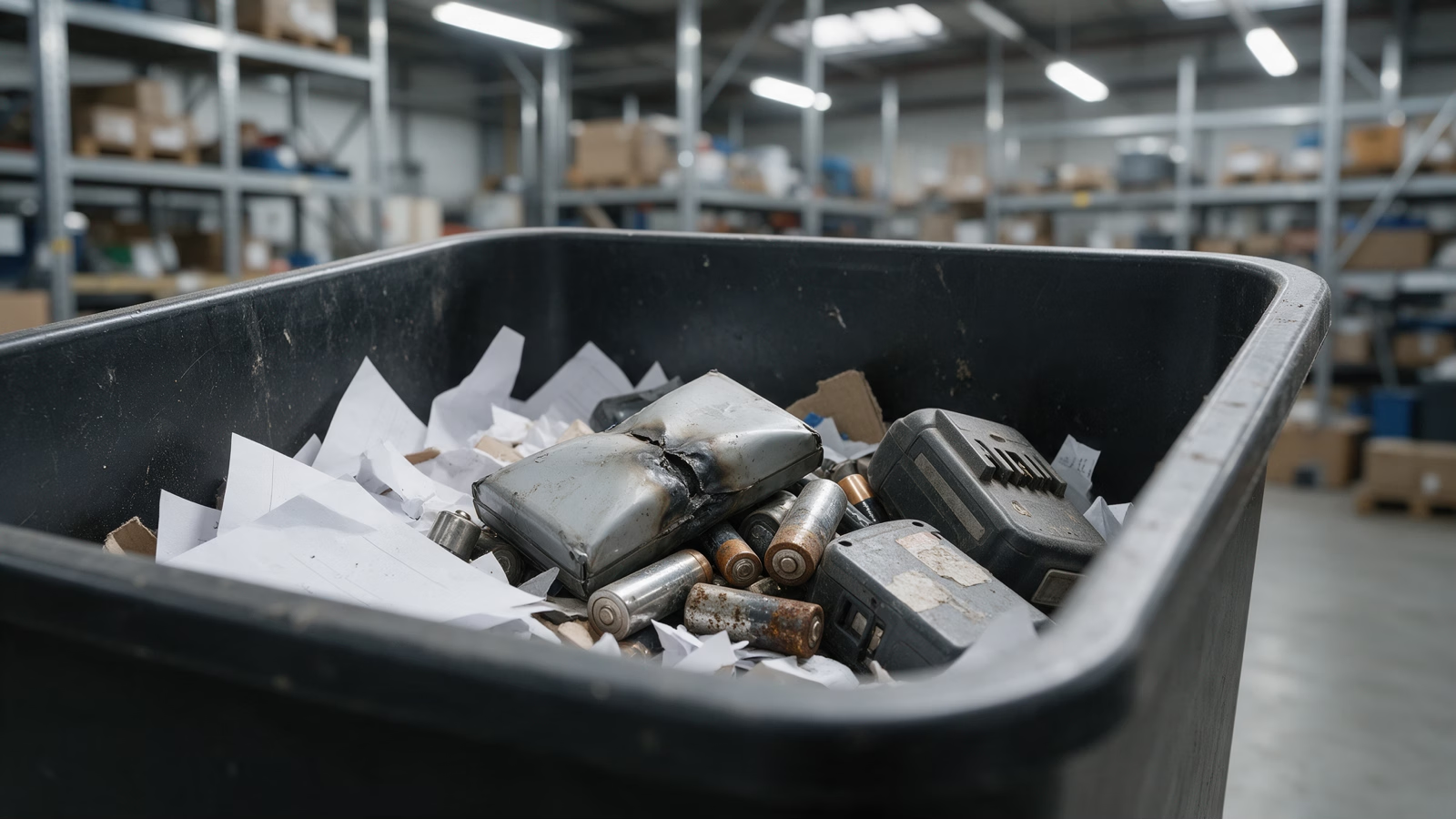
Spent batteries in the trash start fires, leach toxic metals and expose California businesses to regulatory liability. Here is what goes wrong with improper battery disposal and how to avoid it.
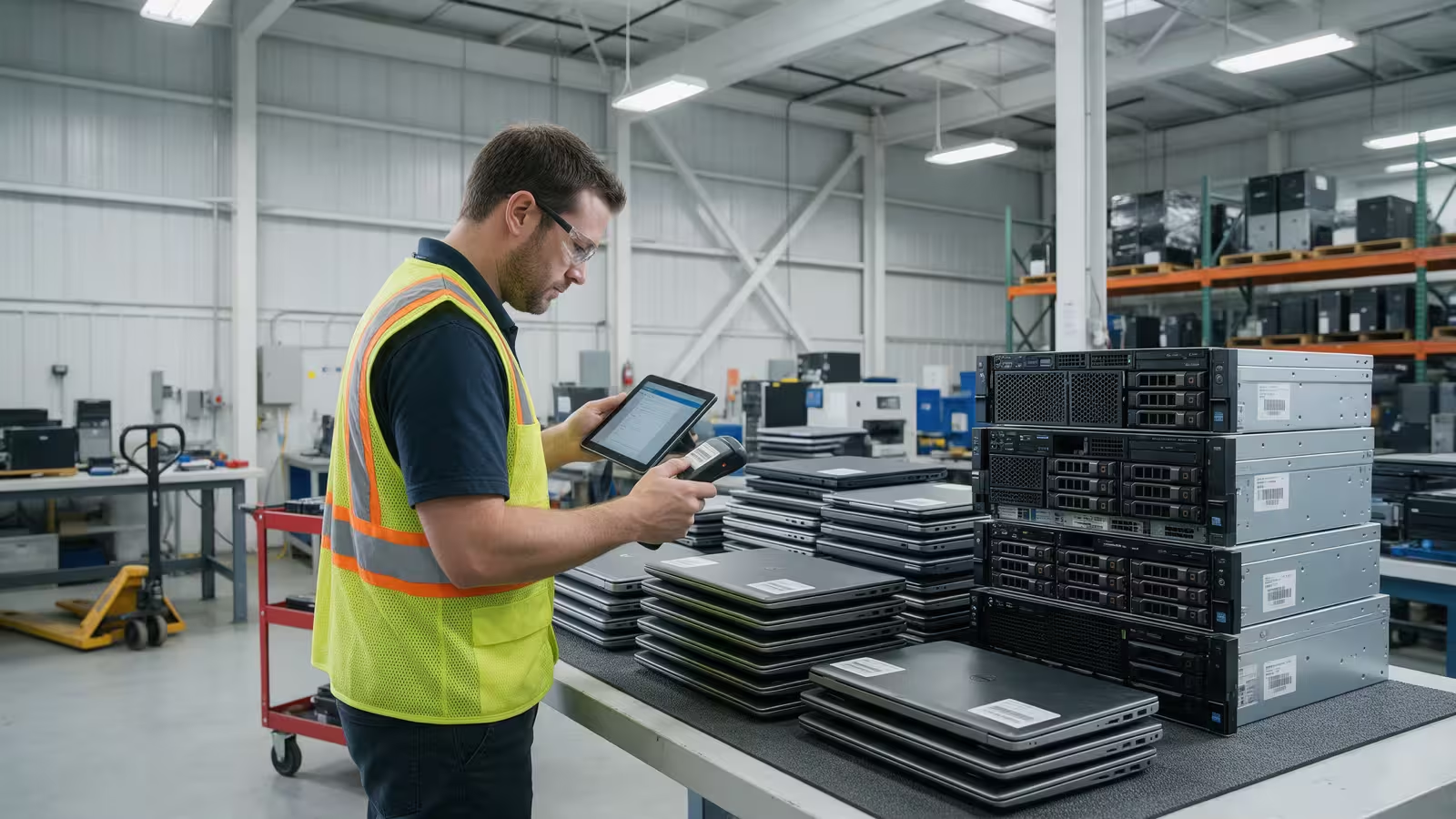
In e-waste recycling, compliance is most of the job. Here is what California businesses are responsible for, from hazardous and universal waste to data privacy and downstream accountability, and how to prove it.
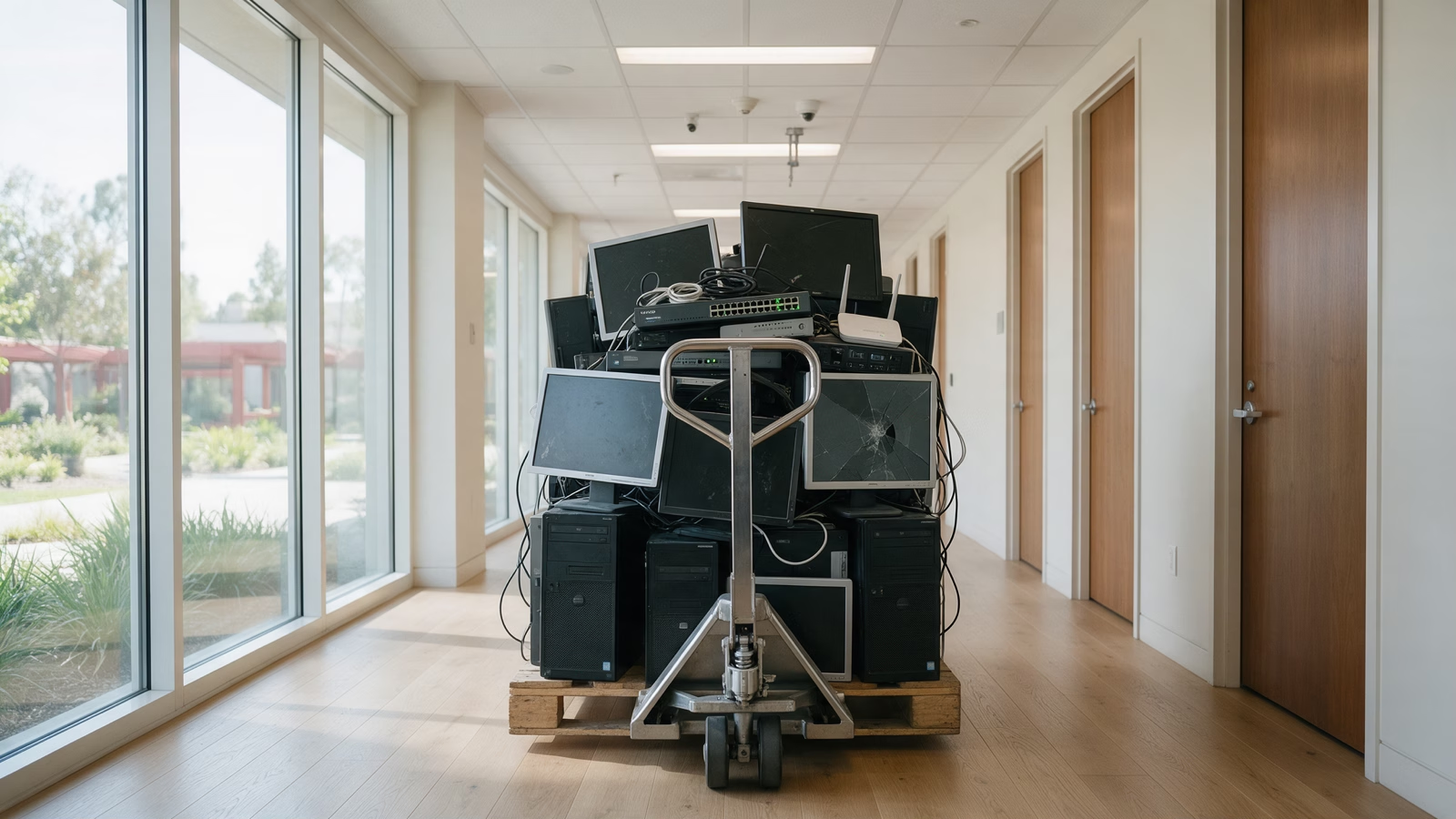
Tossing old electronics in the dumpster exposes a California business to data breaches, environmental liability and enforcement. Here is what goes wrong, which items are the usual problems, and what to do instead.
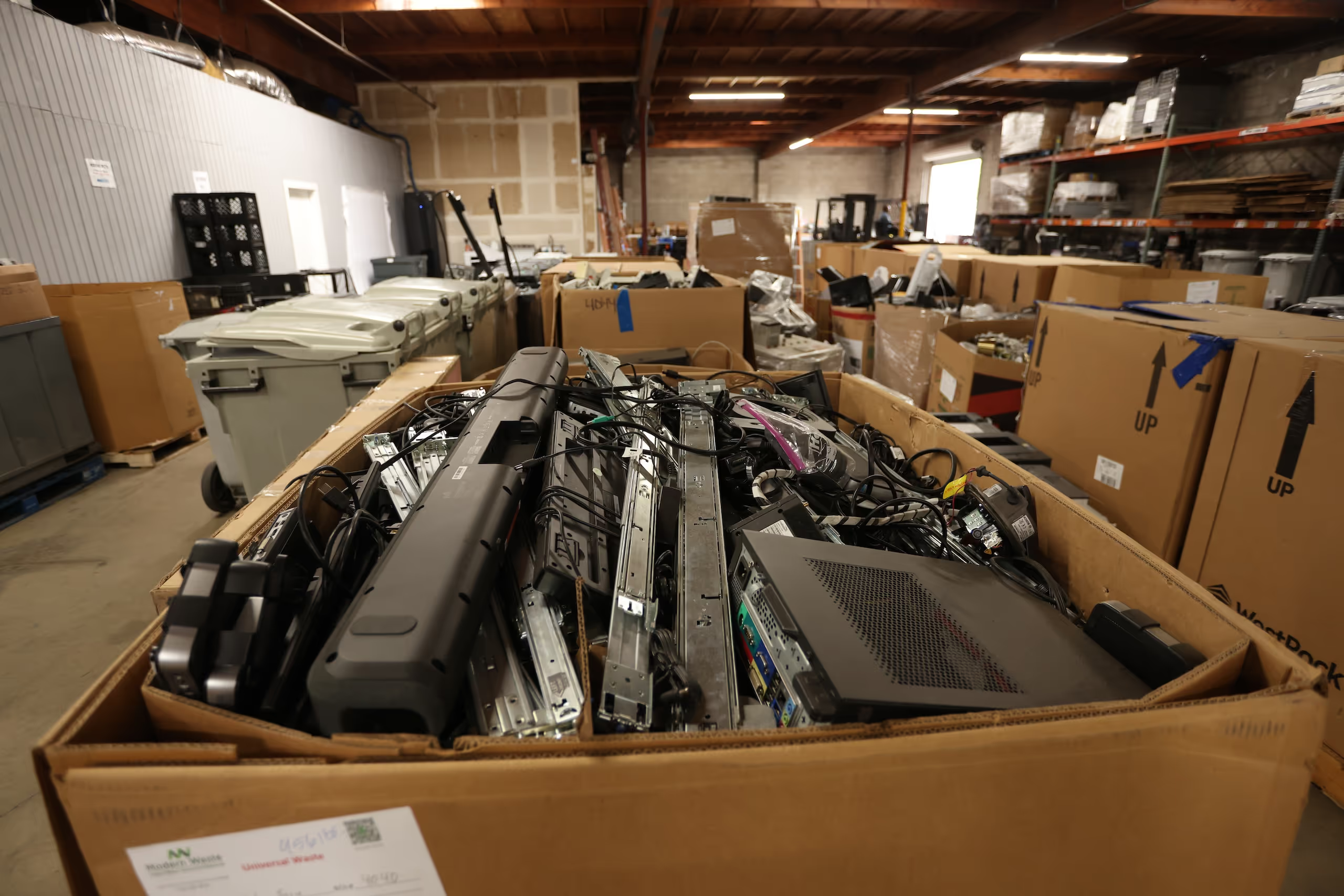
Where to put an e-waste collection point at your business, which containers and labels it needs, and how to keep it from overflowing between pickups.
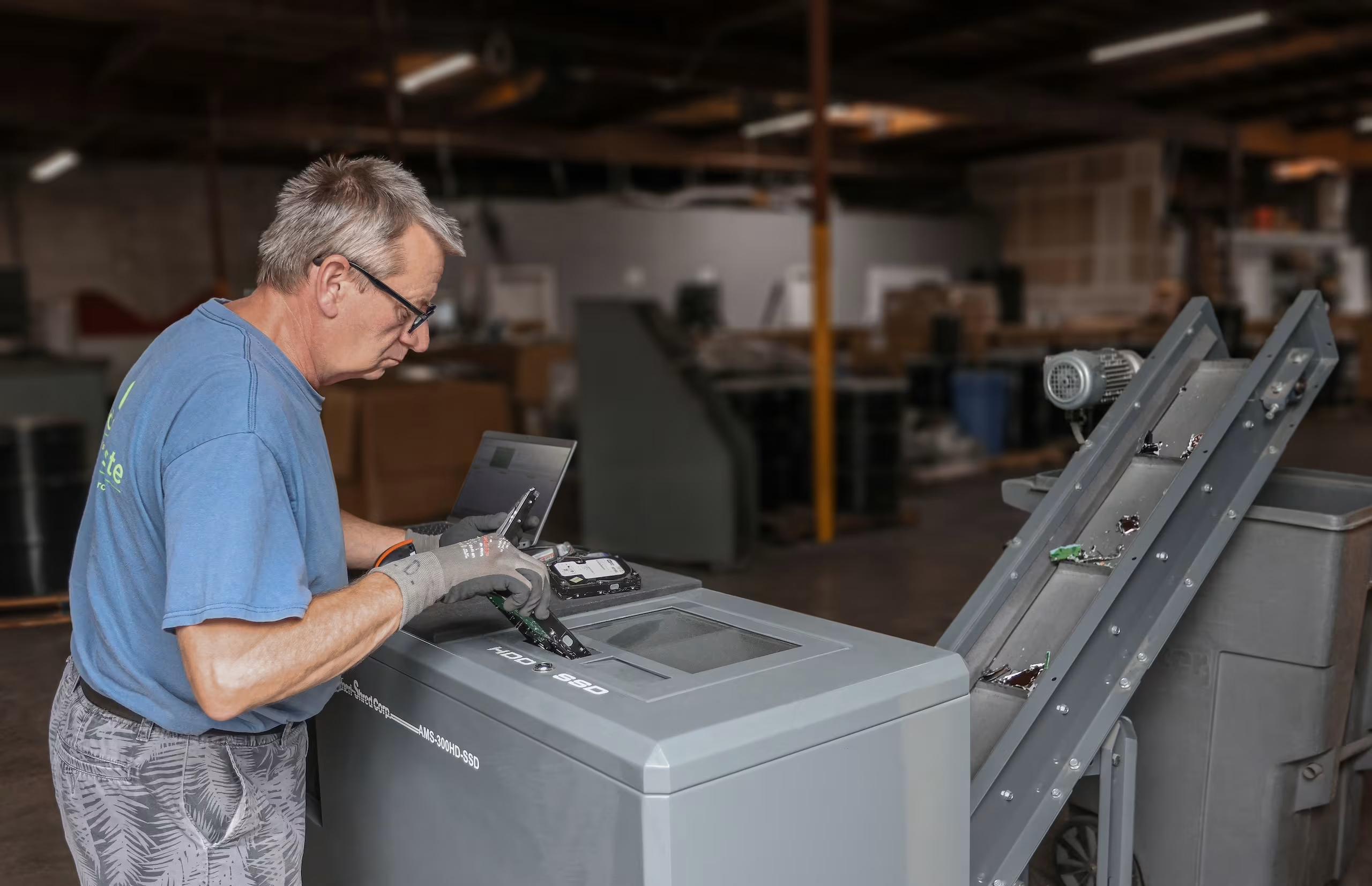
What GLBA, the FACTA Disposal Rule and California law require when financial institutions retire devices that hold customer data, and how to document it.
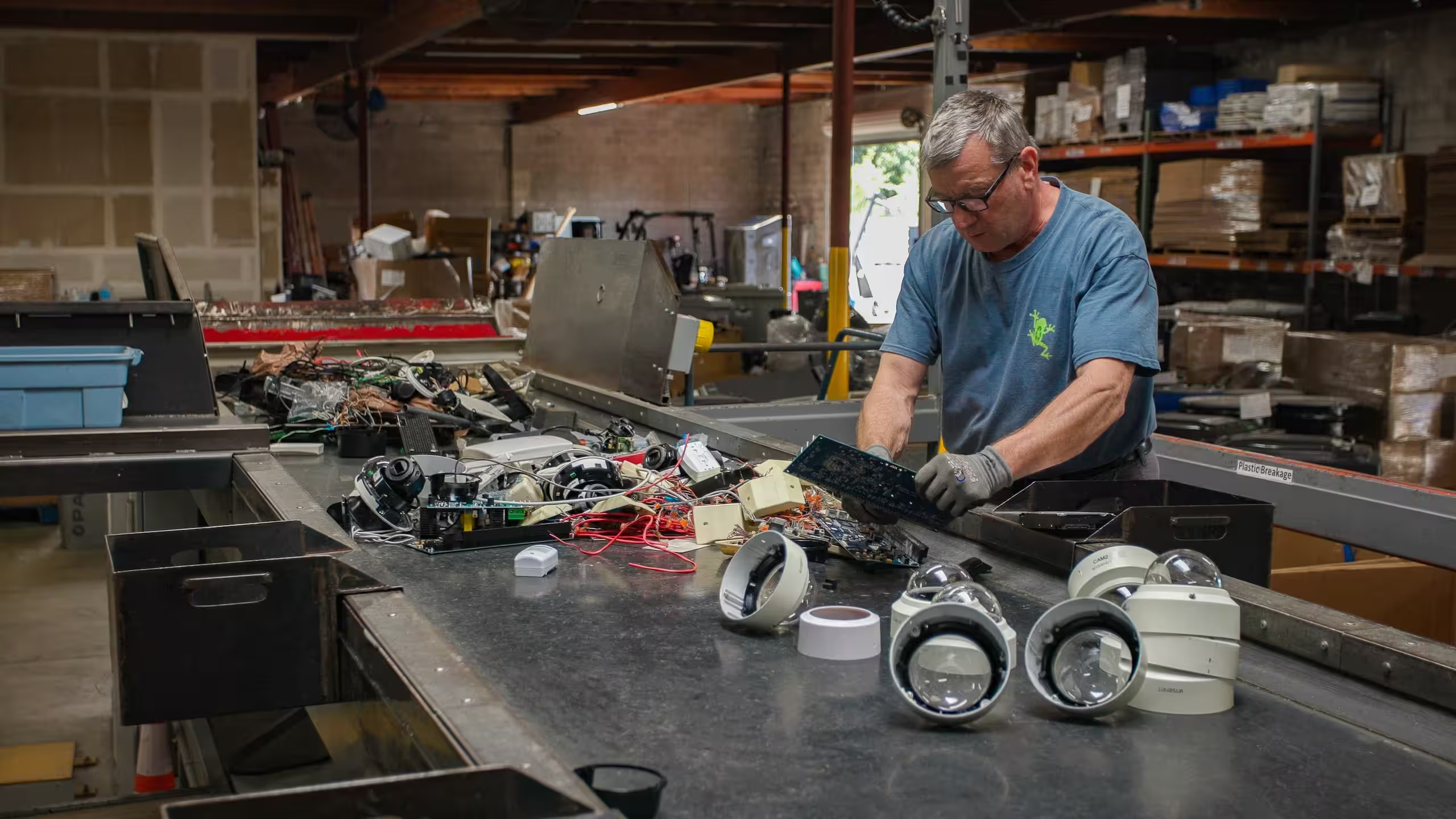
Where patient data lives in a dental office, what HIPAA and California law expect when devices are retired, and how to document data destruction properly.
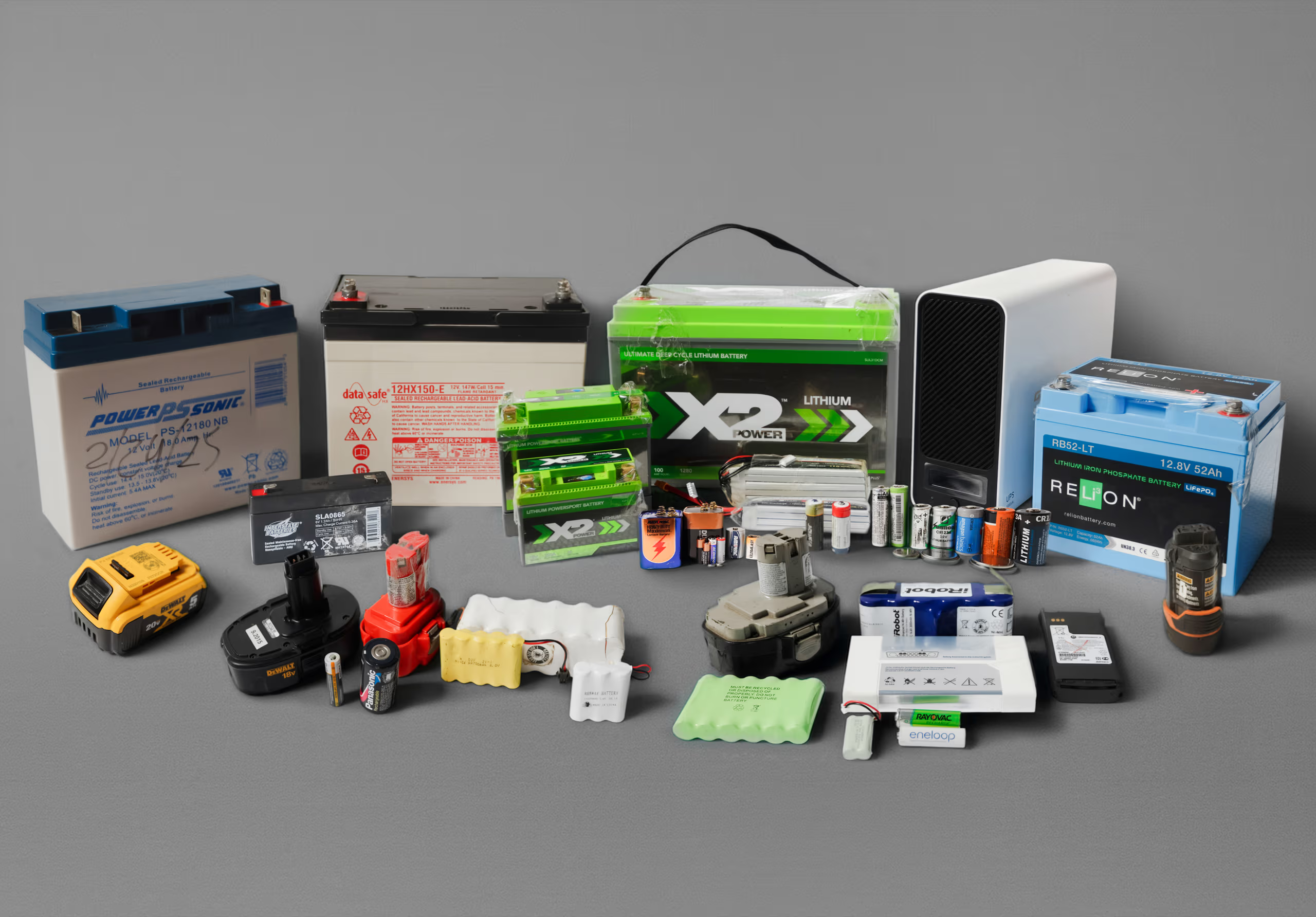
Which batteries pile up on job sites, how to store them safely, how to run battery recycling across projects, and what other regulated waste needs a plan.
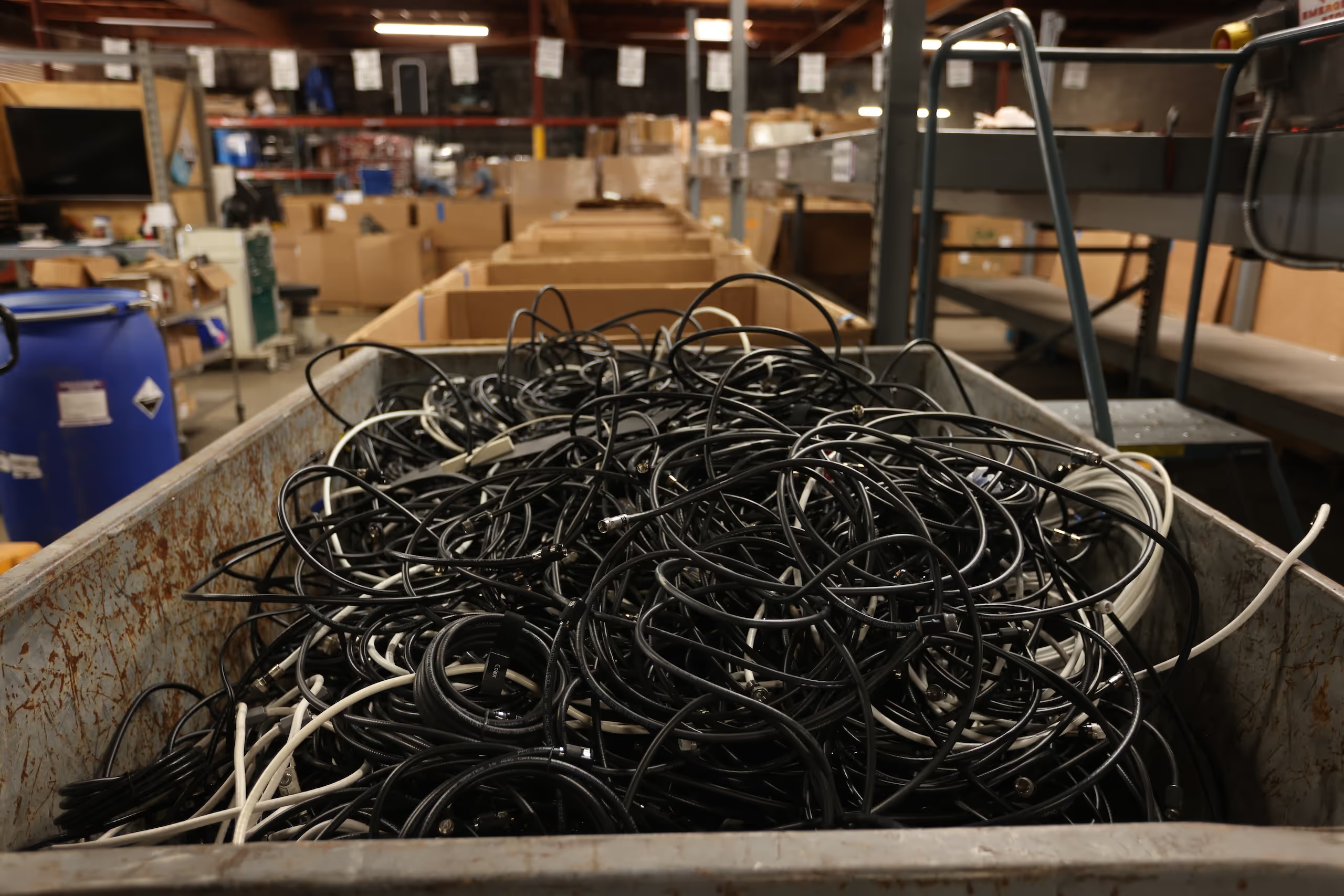
What telecom and cable companies retire, why California has fined carriers over their dumpsters, and how to manage returned equipment, batteries and data.
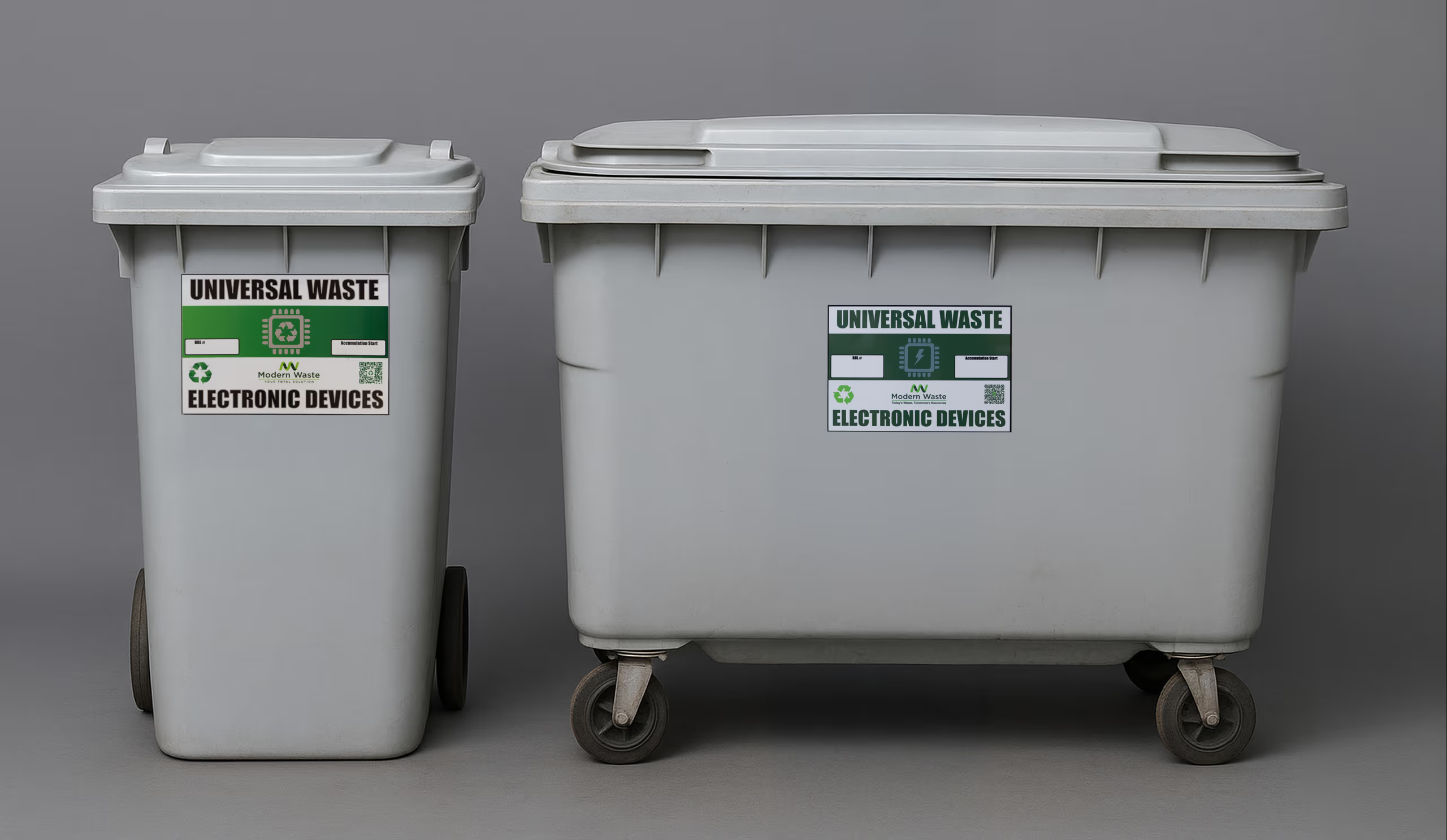
What counts as universal waste in California, the DTSC handler rules for businesses, where it can be sent, and how to run a program that holds up to inspection.