


Office towers, retail centers and business parks generate waste that can't go in the building dumpster. Outgoing tenants leave desktops, monitors and printers in vacated suites. Engineering staff replace fluorescent tubes, ballasts and exit-sign batteries. In California most of this is universal waste, which means labeled containers, dated storage and a documented destination.
Each building is its own stop. We record the storage location and access details our crew needs (dock hours, elevator reservations, gate codes, parking) and place containers that match what the building produces:
- An e-waste bin or caster cart for electronics
- Battery buckets, one chemistry per bucket
- A tub for mixed lamps, kept intact
Pickups run on a schedule set per building. When a tenant moves out and leaves equipment behind, you call for an extra pickup instead of waiting. Lamps and ballasts and batteries can go on the same visit as electronics.
A computer or copier left in a suite may still hold the former tenant's files. Get release under the lease first, keep those devices in a locked room, and flag them when you book. We wipe or destroy the drives and list each one by serial number on the certificate, with the suite noted on the record if you ask.
Every load is logged under a ticket number against the property it came from. Owners, insurers and inspectors can get the records for one building without the rest of the portfolio attached.
Pickup is a commercial service, and we don't provide residential services. Residents and other households can recycle electronics through our sister company, Secure Recycle, at our Sacramento address, 3921 Pell Circle.



Commercial buildings collect the same leftovers: computers and monitors from tenant move-outs, batteries and burned-out lamps from common areas, and building equipment being replaced. We place labeled containers at each property, empty them on a schedule set per building, and file the records by property address.
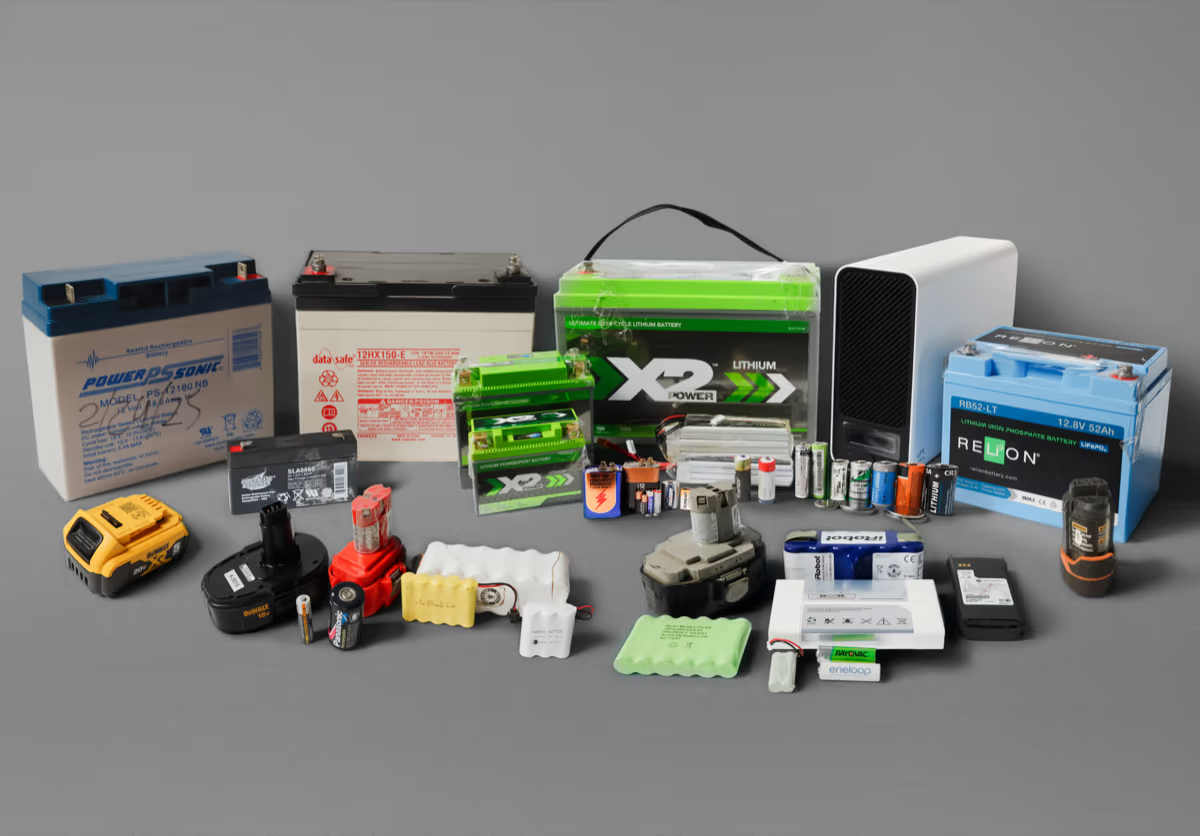
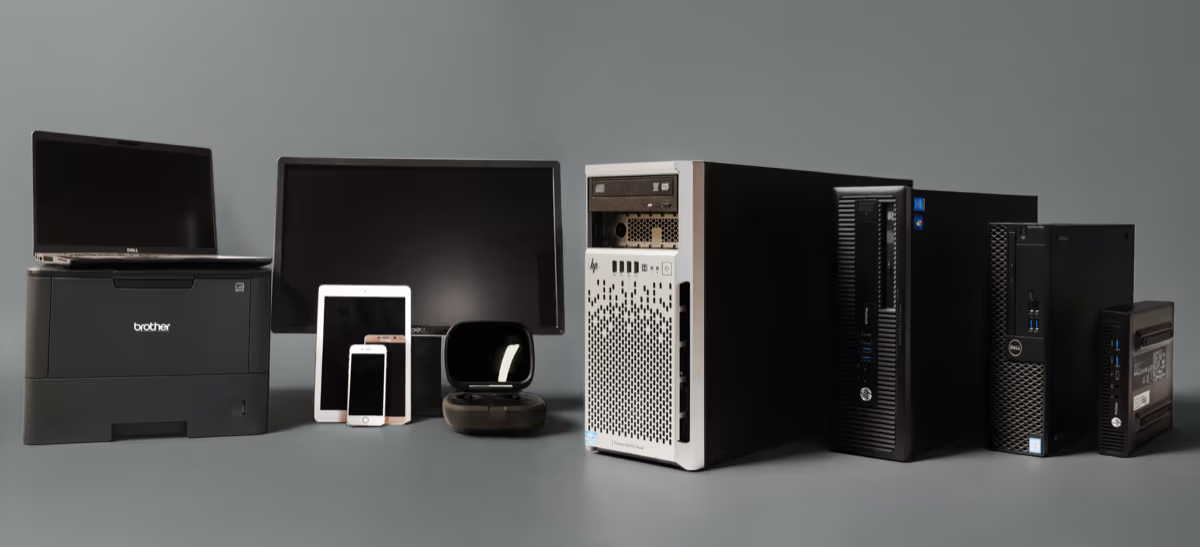
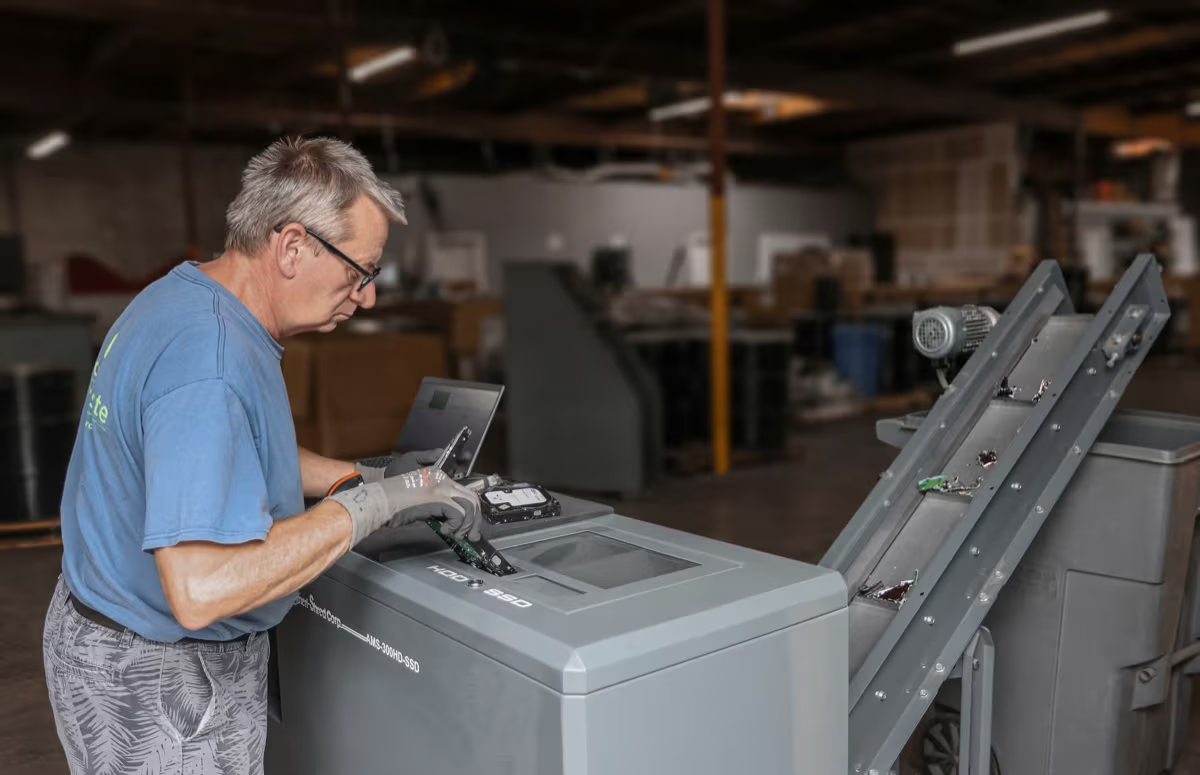
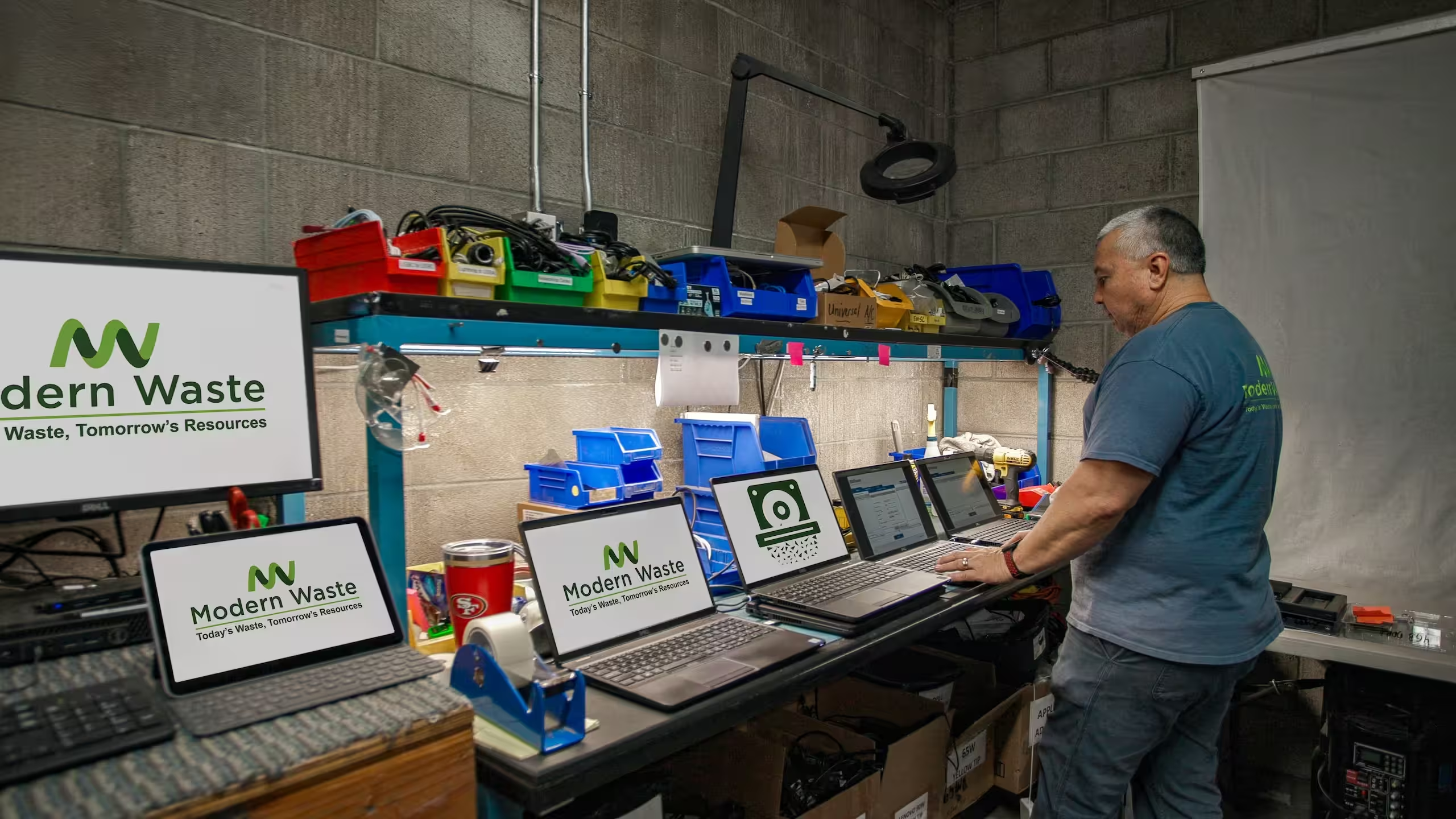
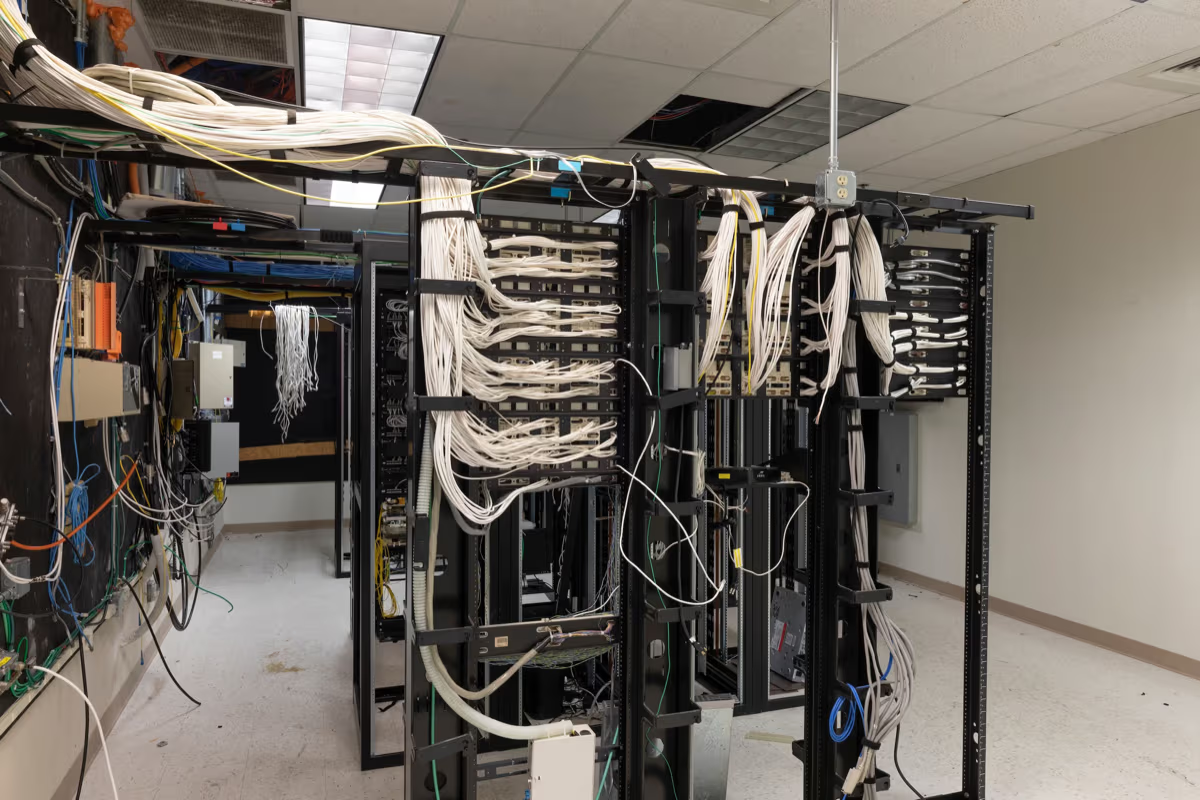


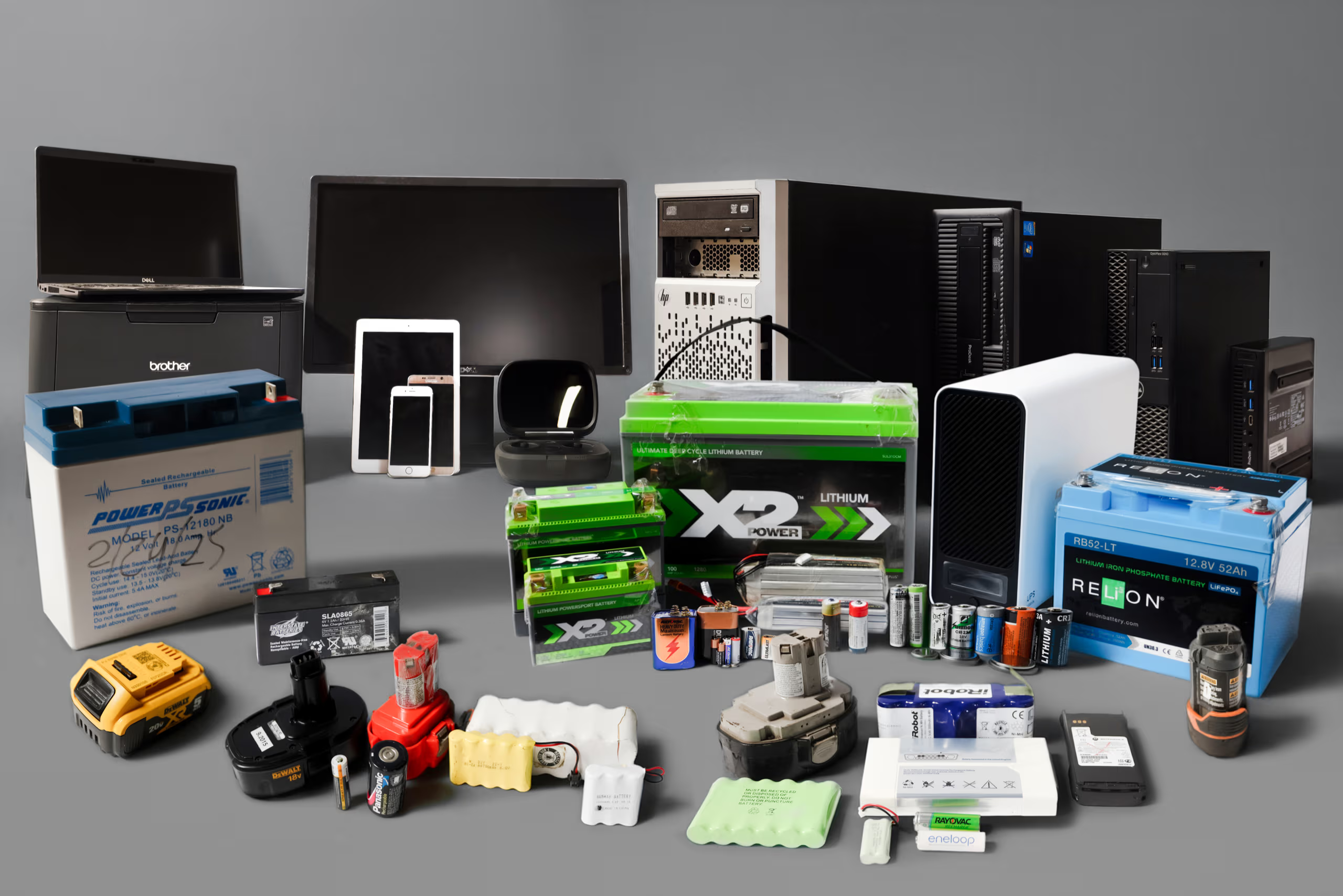

Simplify your compliance and disposal process with bundled recycling services that handle both electronic devices and batteries in one streamlined solution.

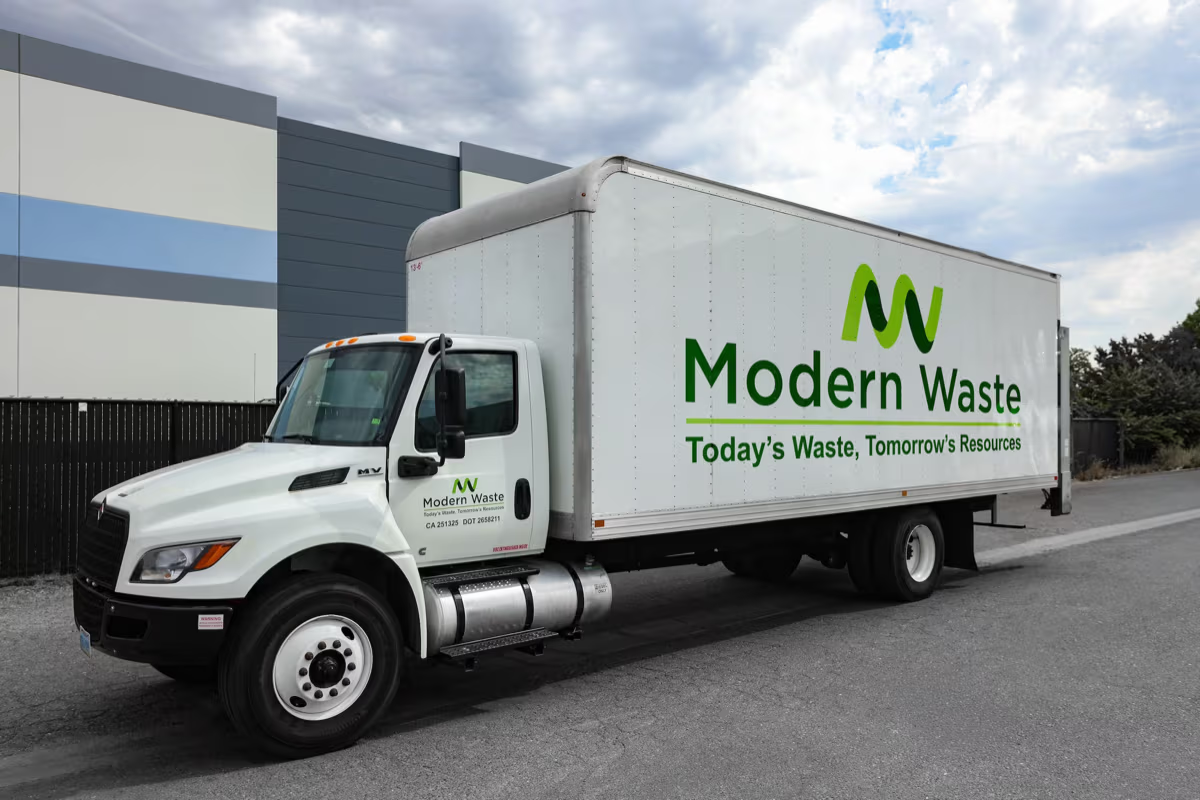
Our scheduled, route-based pickups cover all major regions of California—ensuring efficient, on-time service no matter where you operate.
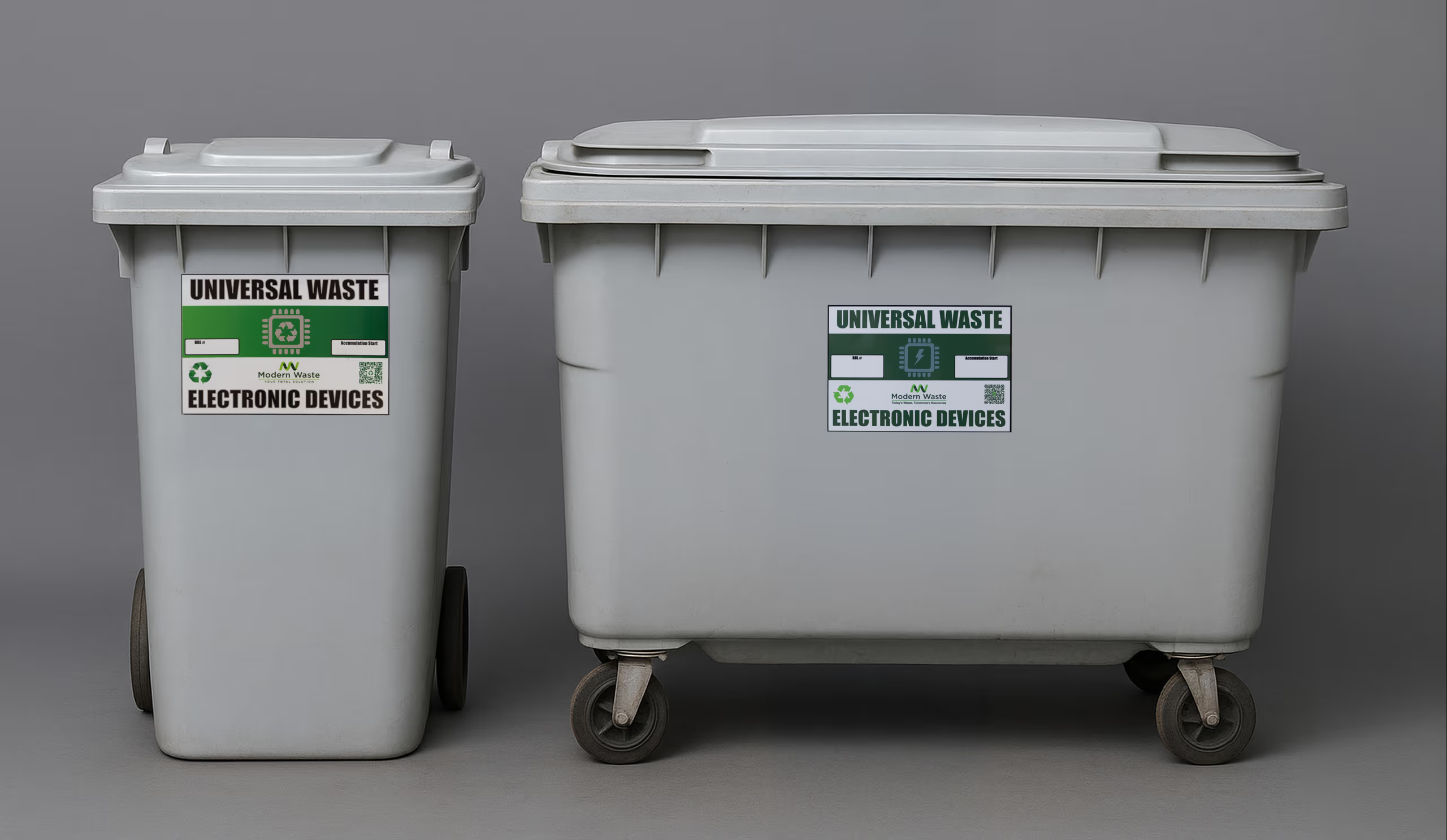
We provide clearly labeled, tamper-resistant containers to ensure safe and compliant collection of electronic waste and batteries at your location.

Modern Waste Solutions has served businesses and communities across California with dependable, environmentally responsible recycling solutions for over two decades.
We adhere to all California and federal regulations, ensuring your electronic and battery waste is managed with complete transparency and environmental responsibility.




Reviews
A little bit off the beaten track in Natomas, but Modern Waste quickly and efficiently helped me recycle my broken Lithium Iron Phosphate batteries at a reasonable $/lb fee (Sac county e-waste will not accept these items). Ramiro and Vincent were very friendly and helpful.

Chris was awesome! He came in and picked up all of the e-waste we had ready for him. He was polite and professional throughout the entire process. He handled the equipment with care, including the site equipment that was already in place. I am very happy with his service and appreciate the great job he did.

Aaron and Vincent were awesome, excellent customer service!

Great guys, excellent customer service, highly recommend!

Polite, quick and easy.

Chris from modern waste was the most outstanding respectful person I ever met my life when he was done he offered to sweep the floors. He offered so much even though he was limited on time he went out of his way and he’s over beyond best guy I ever met thank you so much for your service services Dan ITG.

We have answers.

In California, discarded batteries, mercury-containing lamps and many electronic devices are universal waste. The rules that matter most at a building level:
- Label each container with the material type and the date the first item went in. We supply labels made for this.
- Keep lamps whole and packed in their tub. Broken tubes release mercury and need different handling.
- Keep battery chemistries in separate buckets. Set aside any swollen or damaged battery and tell us about it before pickup.
- Store computers and drives in a locked room, since they may still hold tenant data.
Accumulation time limits apply, and a regular pickup schedule is the simplest way to stay inside them. Check DTSC's current thresholds for your handler category.
We treat each building as its own stop with shared rules. For every property we note the address, the storage location, and the access details our crew needs: loading dock hours, elevator reservations, gate codes and parking.
Containers go in at each site, and building staff get a short walkthrough on what goes in which one. Pickups then run on a schedule set per building. A busy office tower might need frequent visits while a small retail center needs far fewer. When a tenant moves out, you call for an extra pickup instead of waiting for the next scheduled visit.
Every load is logged against the property it came from, so the records stay separate even though one team services the whole portfolio.
It is a scheduled collection for the buildings you manage. We place labeled containers in a secure room or loading area at each property, and our crew empties them on a set schedule: electronics left behind by tenants, batteries and burned-out lamps from common areas, and building equipment being replaced.
Each property gets its own pickup schedule and its own records, so you can answer an owner's or auditor's question about one building without sorting through the whole portfolio.
| Element | What it covers |
|---|---|
| Containers | E-waste bins or caster carts, battery buckets by chemistry and a tub for mixed lights, placed where your staff can reach them. |
| Scheduled pickups | A recurring visit to each property, sized to what that building produces. |
| Move-out cleanouts | On-call pickups when a tenant leaves equipment behind or a floor is being cleared. |
| Specialty items | Lamps and ballasts and batteries collected on the same visit. |
| Records | A ticket for each load and certificates of recycling or destruction, filed by property address. |
Items outside the usual mix, such as a large volume from a full-floor cleanout, are quoted before pickup.
Treat them as data-bearing equipment. An abandoned desktop or copier can still hold the former tenant's files, so check your lease and get written release before disposing of it.
Once released, keep those devices apart from general e-waste. We collect them in tracked containers, then wipe the drives to NIST 800-88 or physically destroy them. The certificate lists each drive by serial number, and we can note the suite or tenant on the record so you have proof of what happened to that equipment if the former tenant ever asks.
Most buildings collect the same leftovers: monitors and computers abandoned in a vacated suite, fluorescent tubes stacked in a janitor's closet, and a box of dead batteries nobody labeled. None of it can go in the dumpster, and all of it takes up storage space.
- Suite turnovers held up by electronics the outgoing tenant left behind.
- Mercury lamps and batteries stored for months without a label or start date.
- No record to show an owner, insurer or inspector where the material went.
A regular pickup moves that material out before it builds up, and each visit leaves a record for the property.
- One visit that handles electronics, batteries and lamps, so you aren't scheduling three vendors per building.
- Containers and labels supplied as part of the service. Many providers charge extra or leave sourcing to you.
- Records filed by property, not only by account.
- Crews employed by the provider. We run every pickup with our own trucks and staff.
- A clear answer on how tenant-left devices with data are handled and documented.
- Property managers running office buildings, retail centers, mixed-use commercial sites or business parks.
- Facilities teams that handle tenant move-outs and suite turnovers.
- Building engineers who replace fluorescent tubes, ballasts or exit-sign batteries.
- Owners who want one vendor and one set of records across several properties.
The service is for commercial properties, and we don't provide residential services. Tenants and residents with household electronics can use our sister company, Secure Recycle, at our Sacramento address, 3921 Pell Circle.