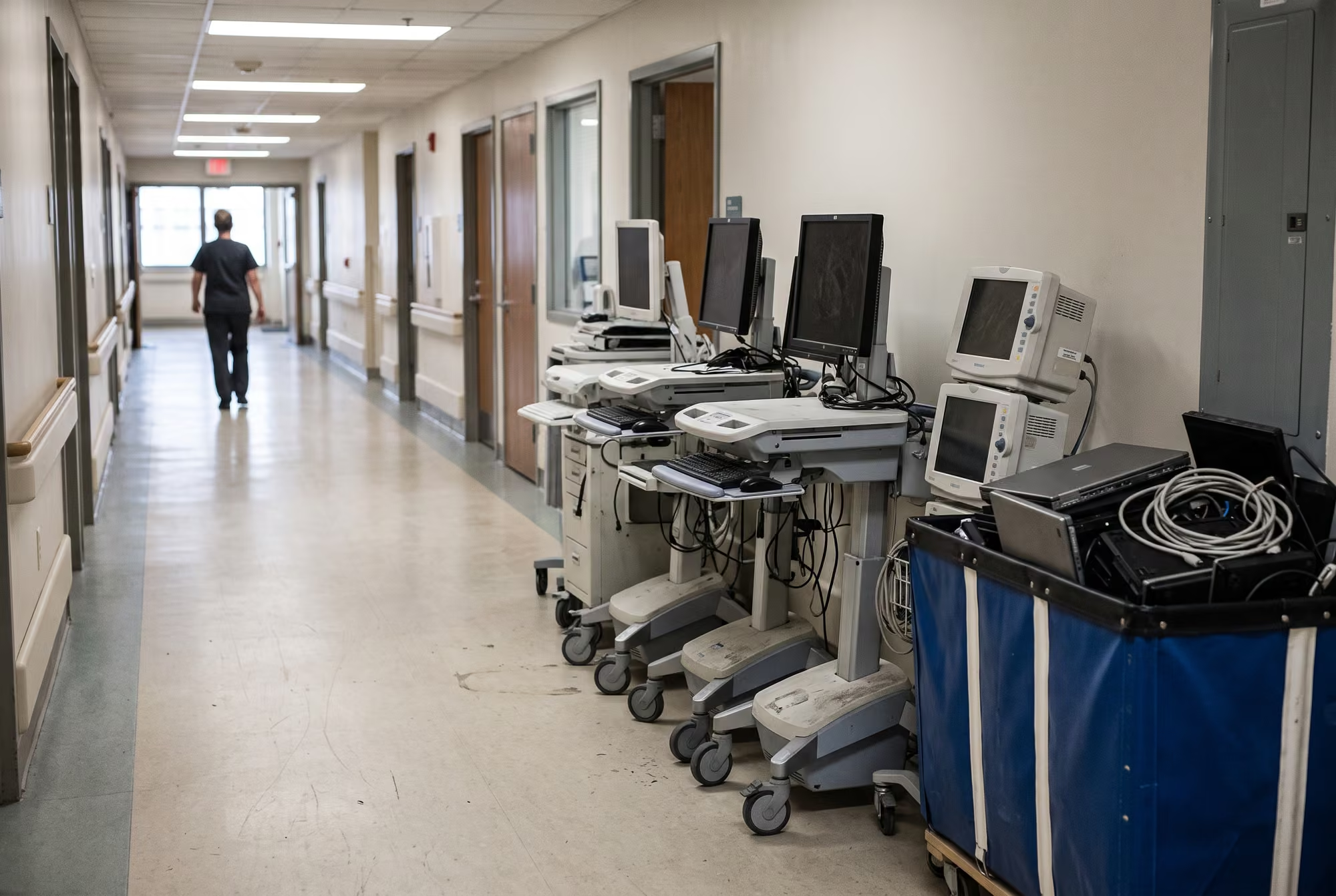
Retired medical workstation carts, monitors and a bin of laptops lined up along a hospital corridor

Medical Equipment Recycling in Sacramento, CA

Recycling medical equipment for hospitals, clinics and practices: clinical electronics, lab devices, medical IT and batteries, with patient data wiped or destroyed.

What healthcare facilities send us

Equipment varies by specialty, and most facilities retire a mix of clinical devices and ordinary IT at the same time. Typical loads include:

  • Patient monitors, lab analyzers and other diagnostic electronics
  • Surgical consoles and the computers and camera systems that run scopes and robotic systems
  • Dental, ophthalmic and medspa devices, including slit lamps, retinal cameras, laser systems and their worn handpieces and tips
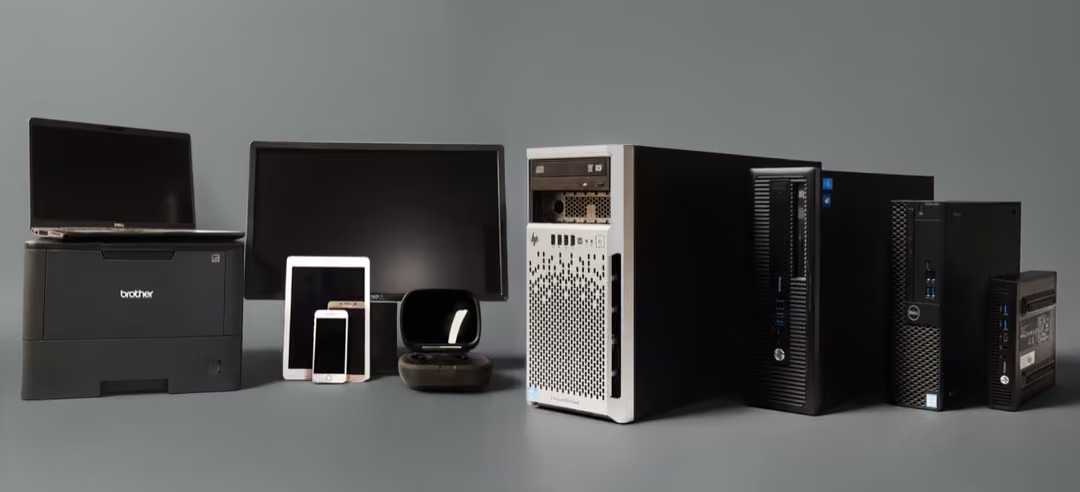
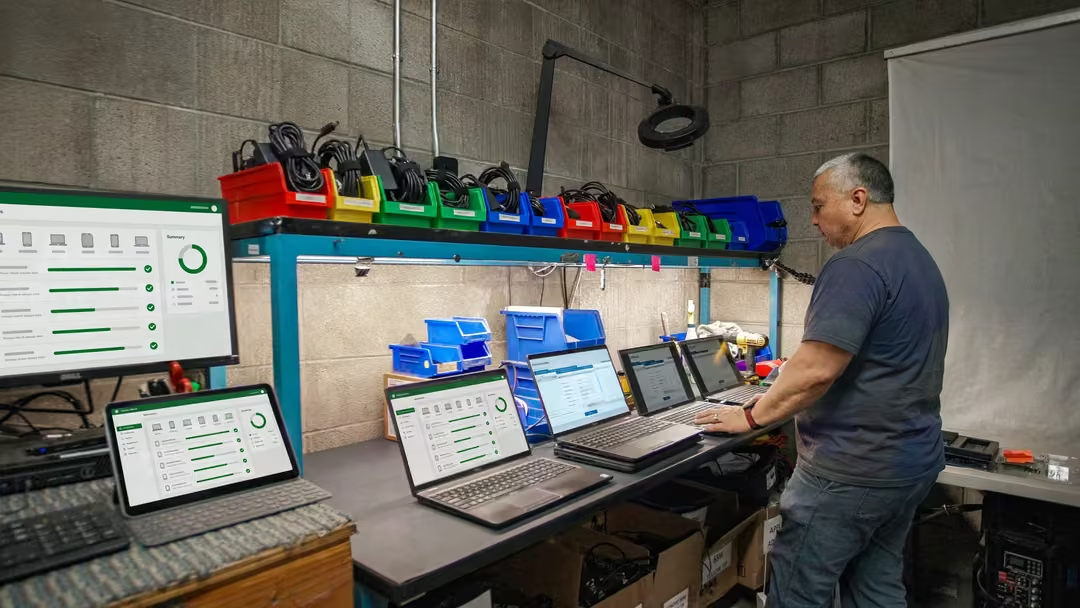
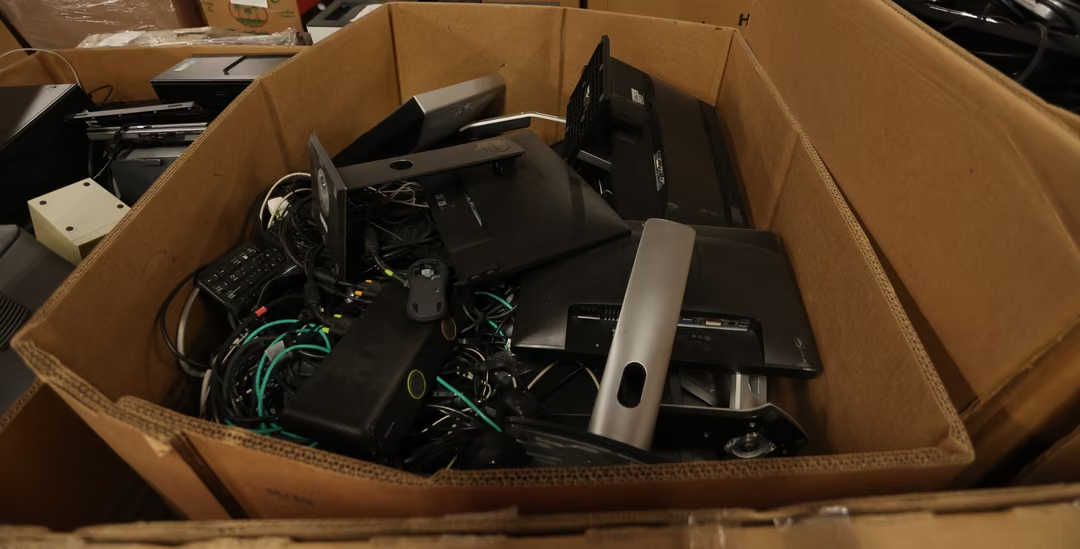
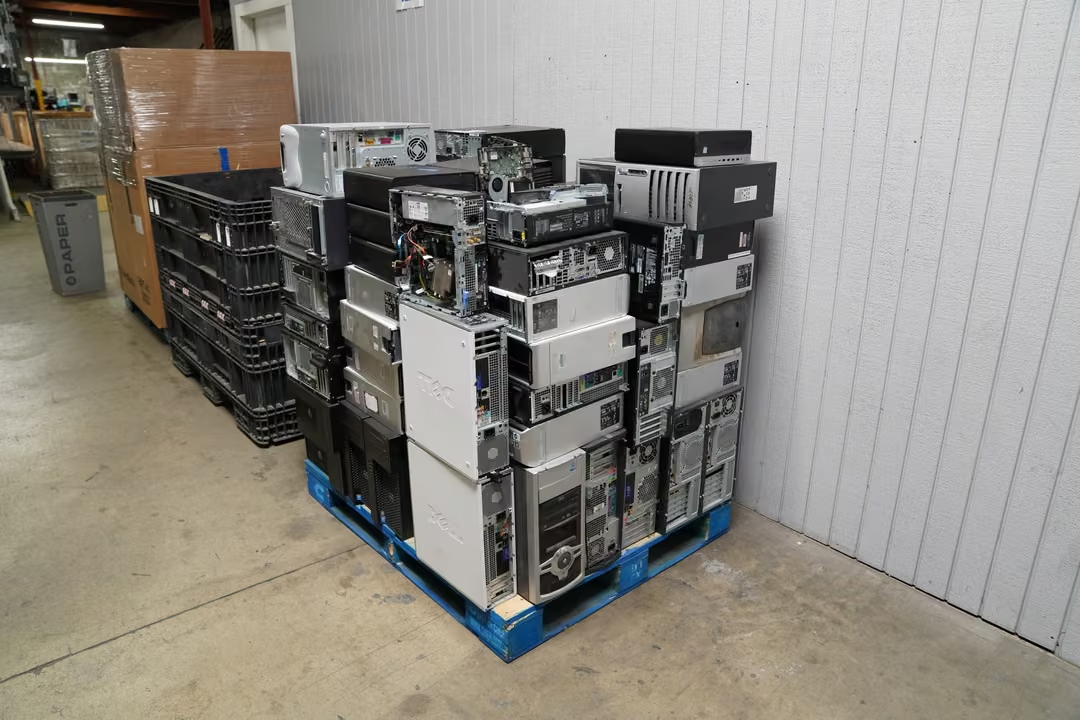
  • Workstations, servers, drives, phones and printers from medical IT
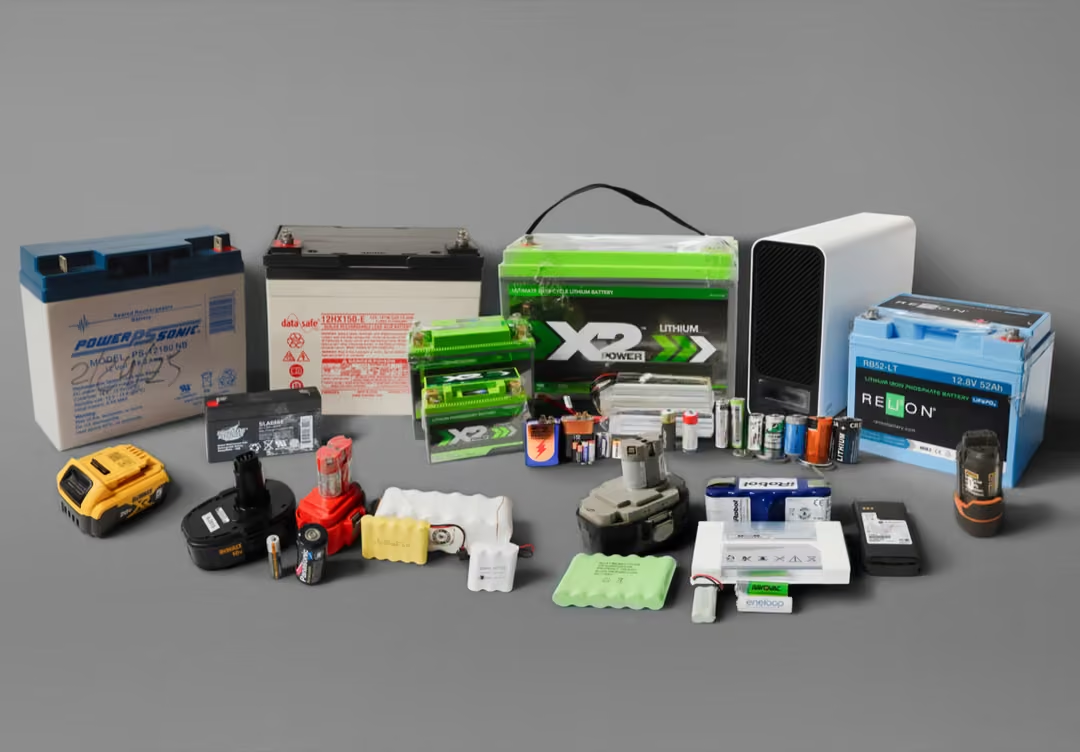
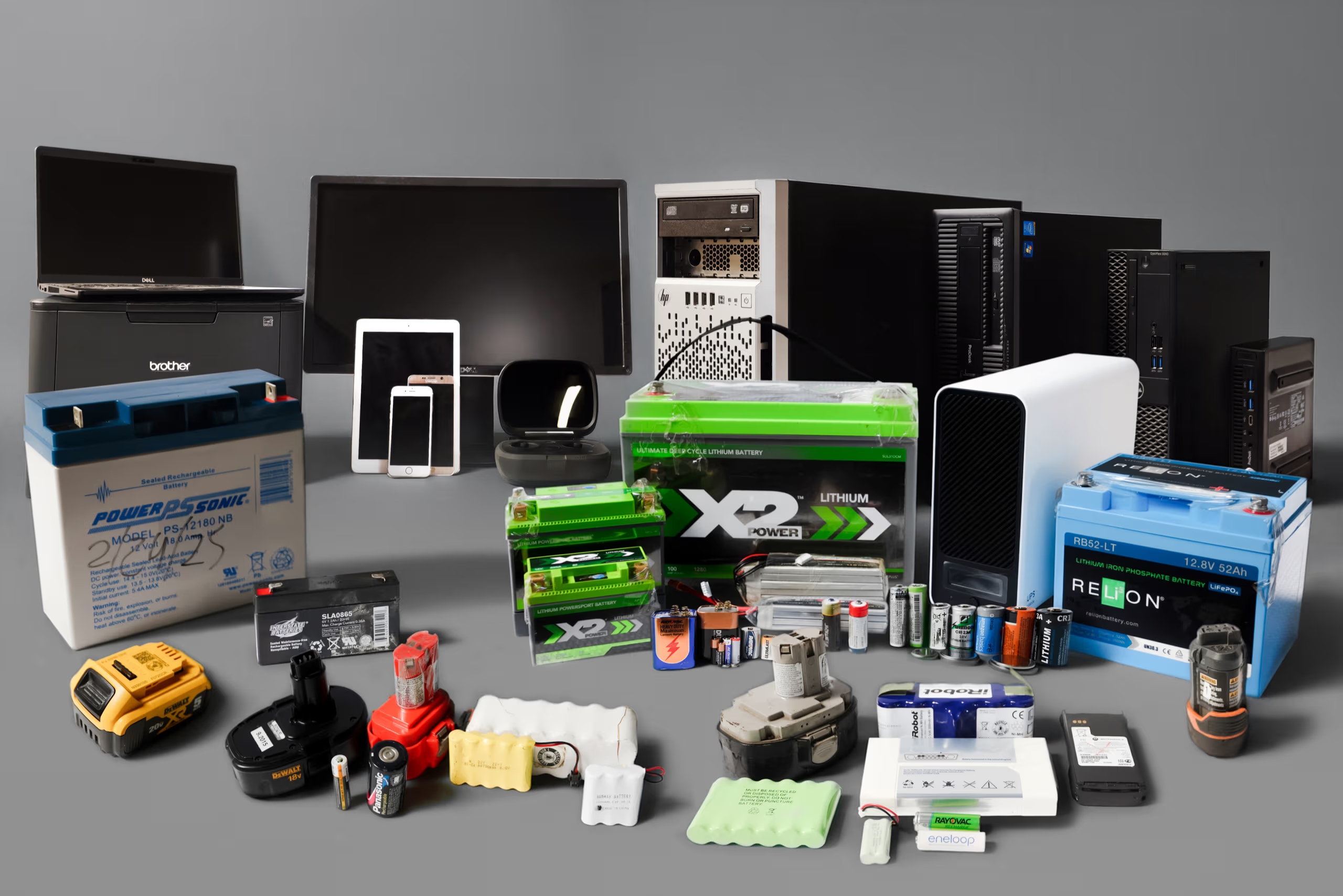
  • Batteries from clinical and portable devices
Where patient data hides

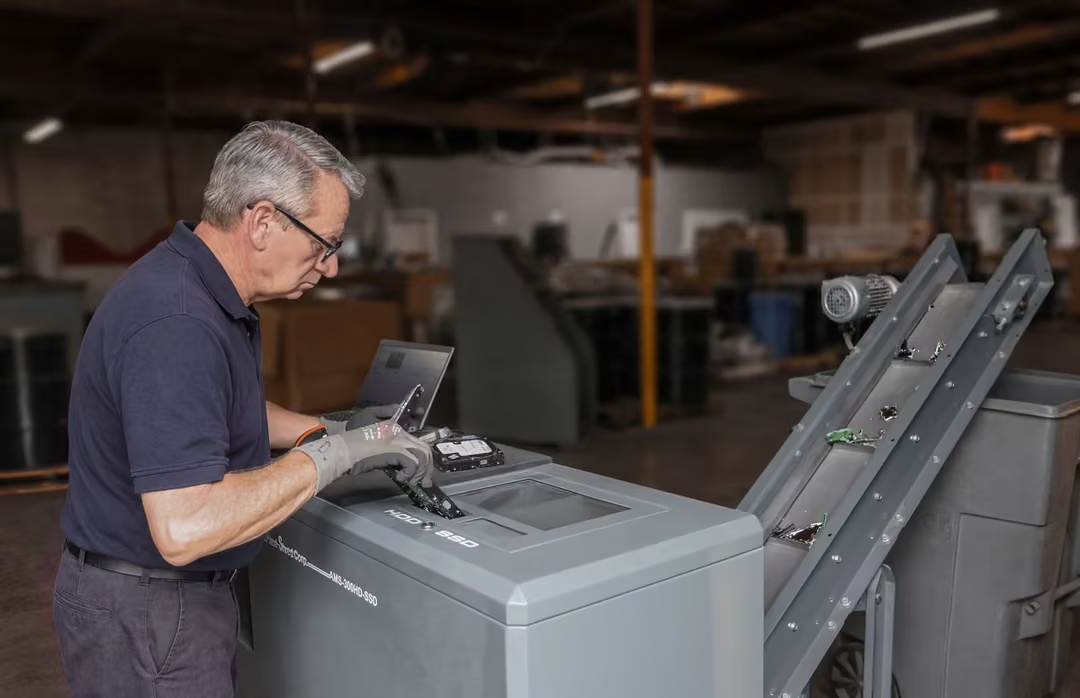
Protected health information is not limited to workstations. Lab analyzers, surgical consoles, eye care cameras and multifunction printers often contain a computer with a drive. We list every data-bearing device at scoping, then wipe it to NIST 800-88 if it will be reused or shred it if your policy requires destruction. Each serial number appears on the certificate.

Hazardous parts and decontamination

Monitors, analyzers and older electronics can contain lead, mercury and brominated flame retardants, so they cannot go in the trash. Clinical decontamination is a separate step from the recycling work. Note in your request which items it applies to.

How a healthcare job runs

You send an inventory with photos. We schedule around clinic hours, our technicians load the equipment under chain of custody, and you receive destruction certificates and a certificate of recycling. Jobs range from a single practice cleanout to phased projects and recurring service for clinic networks.

ISO 14001 Environmental Management Certified logo
ISO 9001 Quality Management Certified logo
ISO 45001 Occupational Health & Safety Certified logo
What we recycle

Recycling medical equipment starts with finding the patient data. Hospitals, clinics, surgery centers, dental and eye care practices and medspas send us diagnostic imaging and clinical electronics, lab analyzers, monitors, medical IT and device batteries. We identify drives and embedded storage when the job is scoped, wipe or destroy them by the method your privacy team approves, and close every load with destruction and recycling certificates for your audit file.

A white box truck on a road winding through golden California foothills at dusk
1 Equipment 2 Training 3 Pick-up 4 Tracking 5 Process 6 Reports
6 steps to success
  1. Equipment

    We provide the equipment you need.

  2. Training

    We train you on what you need to know.

  3. Pick-up

    We come pick up or you can drop off.

  4. Tracking

    We record and log everything in our secure database.

  5. Process

    We shred, wipe, recycle or dispose of your waste.

  6. Reports

    We provide certificates and reports as needed.

Environmental Compliance You Can Trust

We adhere to all California and federal regulations, ensuring your electronic and battery waste is managed with complete transparency and environmental responsibility.

View All Certifications

Google reviews

4.8 out of 5

The average of 123 reviews our customers have left on Google.

This was our first time working with MWS and they were amazing! Quick response time, efficient, and friendly. Ivan was the team member who was on site for the pickup, and he was great. He worked quickly, is very knowledgeable, and is so kind. It was so easy working with him. We are looking forward to using MWS for our E-waste and Universal waste needs in the future. - Sacramento City College Sustainability

Sophie Wheeler on Google
  • Josh Bardet

    A little bit off the beaten track in Natomas, but Modern Waste quickly and efficiently helped me recycle my broken Lithium Iron Phosphate batteries at a reasonable $/lb fee (Sac county e-waste will not accept these items). Ramiro and Vincent were very friendly and helpful.

  • Gretchen Langevin

    We had another vendor cancel on us last minute & Modern Waste jumped into action & was able to help us with ewaste & critical document shredding overnight. Team was helpful, professional & got the job done quickly & efficiently. We were able to complete an office move out/shut down in a day with their help! Highly recommend this business!

    Response from Modern Waste Solutions ·

    Thank You Gretchen! We are happy to make a difference.

  • Shawnna Borremans

    Chris was awesome! He came in and picked up all of the e-waste we had ready for him. He was polite and professional throughout the entire process. He handled the equipment with care, including the site equipment that was already in place. I am very happy with his service and appreciate the great job he did.

  • E O

    I needed hard drives on some old laptops destroyed so any old personal information can't be stolen. The guys there were friendly and helpful and fast. Thanks Pavel and Vincent. Thanks Modern Waste for doing a helpful fast service to us.

    Response from Modern Waste Solutions ·

    We truly appreciate your generous review! 😊 It's fantastic to know our team was able to assist you with your hard drive destruction needs efficiently. We are so glad to hear you had a pleasing experience with us. Our door is always open for all your future recycling needs!

Contact us
I am *
Drag files here or browse
Photos, videos, or documents — up to 5 files, 25MB each.
    Got questions?
    We have answers.

    Medical equipment recycling is the controlled retirement of electronic, diagnostic, imaging, and laboratory devices so reusable assets, data-bearing components, regulated parts, and recyclable materials follow the correct disposition path.

    A complete medical equipment recycling and healthcare data destruction program looks at physical equipment, data, access, safety, reuse potential, and final documentation as connected decisions. Simply moving an item off-site does not establish that data was destroyed or the material reached an approved recycling path.

    We begin by confirming the inventory and the organization's required disposition outcomes. That scope determines collection equipment, labor, destruction methods, processing, and reports.

    Medical Equipment Recycling And Healthcare Data Destruction is intended for organizations that need a controlled process rather than an informal equipment removal. It is especially relevant when assets contain sensitive data, regulated components, or specialized handling requirements.

    • Hospitals and health systems replacing diagnostic or clinical technology.
    • Clinics, imaging centers, surgery centers, and medical offices retiring connected devices.
    • Healthcare IT and facilities teams responsible for patient data, equipment removal, and audit records.

    The program can support a one-time cleanout, a phased decommissioning, or recurring service. Volume alone does not determine the need; data risk, safety, accountability, and documentation can make a smaller project equally important.

    A structured medical equipment recycling and healthcare data destruction program reduces the operational and compliance gaps that appear when equipment is stored indefinitely or released without a documented plan. It assigns a clear path to data, reusable assets, hazardous components, and recyclable material.

    • Patient information remaining on drives, workstations, imaging systems, or embedded storage.
    • Equipment entering an undocumented disposal channel and creating avoidable compliance exposure.
    • Large or specialized devices occupying clinical space after replacement.

    The result is a defensible process rather than a simple removal. Organizations also gain clearer closeout records for internal review, audits, sustainability work, or future planning.

    Our process supports HIPAA-sensitive disposal through controlled handling, documented chain of custody, and approved data destruction. The healthcare organization remains responsible for its HIPAA policies, retention decisions, and vendor due diligence.

    We define the inventory, custody points, treatment method, downstream path, and required records before work begins. Loads are tracked, triaged, processed under documented controls, and matched to the appropriate reports or certificates.

    Certification is useful because it connects service claims to audited management systems and documented operating controls. Our current framework combines quality, environmental management, and worker-safety standards.

    • ISO 9001:2015 for documented and repeatable quality-management processes.
    • ISO 14001:2015 for environmental-management controls and continual improvement.
    • ISO 45001:2018 for occupational health and safety management.

    The certification set does not replace a project scope, but it gives procurement and compliance teams a stronger basis for reviewing handling, downstream accountability, and reporting. Customers should still define the material, data, access, and documentation requirements for each job.

    No certification automatically resolves every industry-specific obligation. The customer and our team should agree on access, data, environmental, safety, and documentation requirements for the exact project.

    We protect medical equipment recycling and healthcare data destruction projects by connecting trained field work to documented receiving, tracking, treatment, and reporting. Sensitive items are identified before they are mixed with general recyclable material, and the selected destruction method is recorded in the project scope.

    Technician perspective: Our certified technicians recommend identifying every embedded drive before medical equipment leaves the site. A complete media inventory helps prevent patient information from being overlooked during deinstallation or recycling.

    That technician perspective is practical, not promotional: accurate inventories and clear release authority prevent most chain-of-custody mistakes before they happen. Customers should also define who can authorize changes during the project.

    Select a medical equipment recycling and healthcare data destruction partner by testing whether the provider can translate your requirements into an operational plan. A strong proposal explains collection, custody, treatment, downstream processing, exceptions, and closeout records.

    CriterionWhat to verifyWarning sign
    Relevant scopeDocumented experience with the equipment and risk profileGeneric hauling with no technical review
    CertificationsCurrent ISO 9001, 14001 and 45001 certificatesUnverified or out-of-scope certification claims
    Data controlsInventory, custody, approved wipe or destruction methodsNo clear media-identification process
    Safety and accessSite plan, trained personnel, and hazard disclosureWork starts before access or hazards are reviewed
    ReportingAgreed fields, certificates, and closeout timingDocumentation discussed only after pickup

    Ask for current certification evidence and a sample description of the reporting workflow. Industry experience is most useful when it produces better questions, safer planning, and records your organization can actually use.

    Before ordering medical equipment recycling and healthcare data destruction, create a scope that separates ordinary logistics from security, safety, and compliance decisions. A good inventory does not need to be perfect, but it should identify unusual equipment and unknowns before the pickup crew arrives.

    • Create an inventory of equipment, accessories, and data-bearing components.
    • Identify devices that require deinstallation, rigging, utility disconnection, or special access planning.
    • Define the required destruction method, serial-number reporting, and certificate format before pickup.
    • Separate clinical decontamination responsibilities from electronics recycling responsibilities.

    Share photos, quantities, location details, deadlines, and documentation requirements when requesting a quote. We can then identify exclusions, special handling, and any information still needed before scheduling.

    Our medical equipment recycling and healthcare data destruction offering is assembled around the customer's approved inventory and required outcomes. It can connect pickup, secure handling, treatment, responsible recycling, and documentation without forcing the customer to coordinate separate vendors for each stage.

    Service elementTypical scope
    AssessmentReview equipment types, access conditions, data media, and documentation needs.
    Secure collectionCoordinate business pickup and chain-of-custody controls for approved equipment.
    Data treatmentUse an approved wiping or physical-destruction method for data-bearing media.
    ProcessingTriage equipment for reuse, dismantling, recovery, or compliant downstream recycling.
    DocumentationProvide records and certificates matched to the completed services.

    The final proposal states which elements are included, which materials require separate approval, and which records will be delivered. That distinction is important for specialized equipment, regulated components, or projects with detailed asset-level reporting.

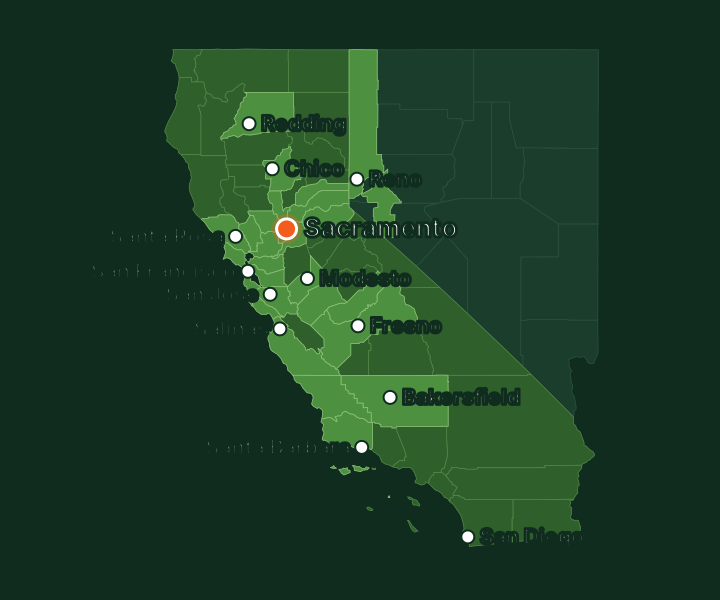
    Start a medical equipment recycling and healthcare data destruction request with enough information to evaluate logistics, data, safety, and documentation. Our Sacramento operation coordinates business service across California, subject to route availability and project scope.

    1. Prepare an inventory or representative item list with quantities, models, and photos.
    2. Identify data-bearing equipment and the required wiping or destruction outcome.
    3. Describe pickup access, loading conditions, deinstallation needs, and the preferred timeline.
    4. State any industry, facility, reporting, or certificate requirements that must appear in the proposal.
    5. Submit the business quote request so our team can review the scope and schedule the next assessment step.

    Do not wait until pickup day to disclose batteries, heavy equipment, contamination, restricted access, or unusual components. Early disclosure allows the correct crew, containers, and handling plan to be assigned.

    We organize medical equipment recycling and healthcare data destruction as a documented six-step workflow. The exact equipment, schedule, and reporting fields are adjusted to the customer's material stream and compliance needs.

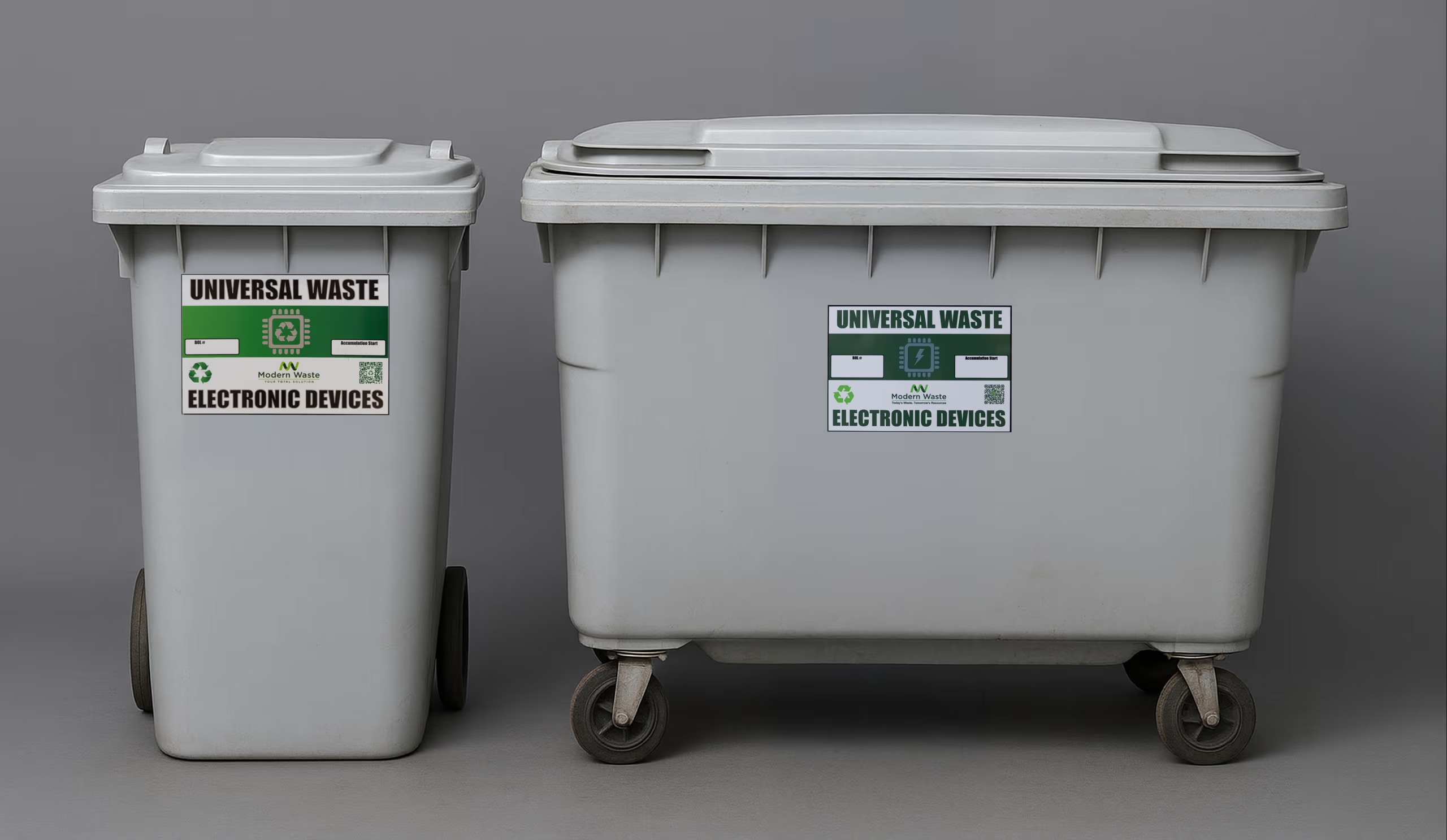
    1. Equipment: We provide or specify the containers, carts, pallets, labels, or other collection equipment needed for the approved material.
    2. Training: We explain what belongs in each container, how to identify special items, and which materials must remain separate.
    3. Pick-up: Our team coordinates the business collection or accepts an approved facility drop-off under the agreed schedule.
    4. Tracking: We record the load and agreed data points, such as material type, weight, serial numbers, dates, or customer-specific fields.
    5. Processing: We triage, wipe, shred, dismantle, recycle, recover, or route materials according to the approved disposition plan.
    6. Reports: We issue the applicable recycling or destruction certificates and processing reports for accountability and audits.

    Planning the scope before the first collection keeps these steps connected. It also prevents equipment, data media, batteries, and other regulated materials from entering the wrong workflow.

    Do Not Sell or Share My Personal Information