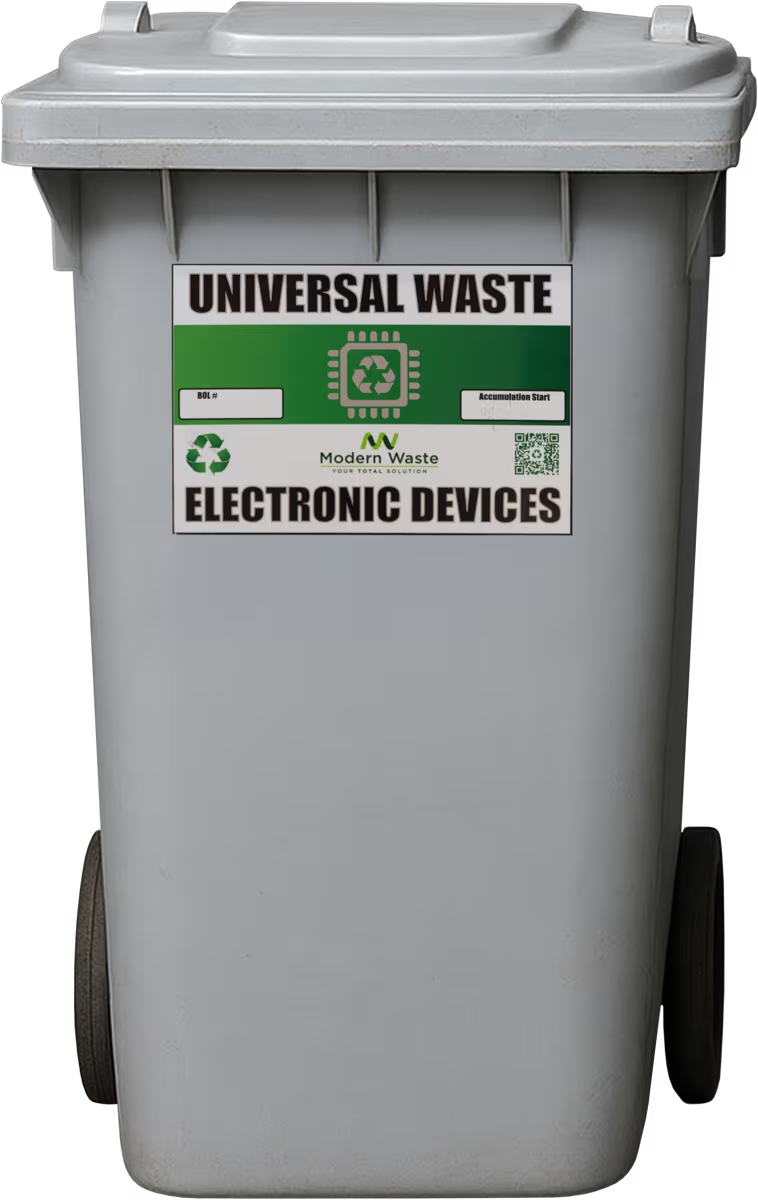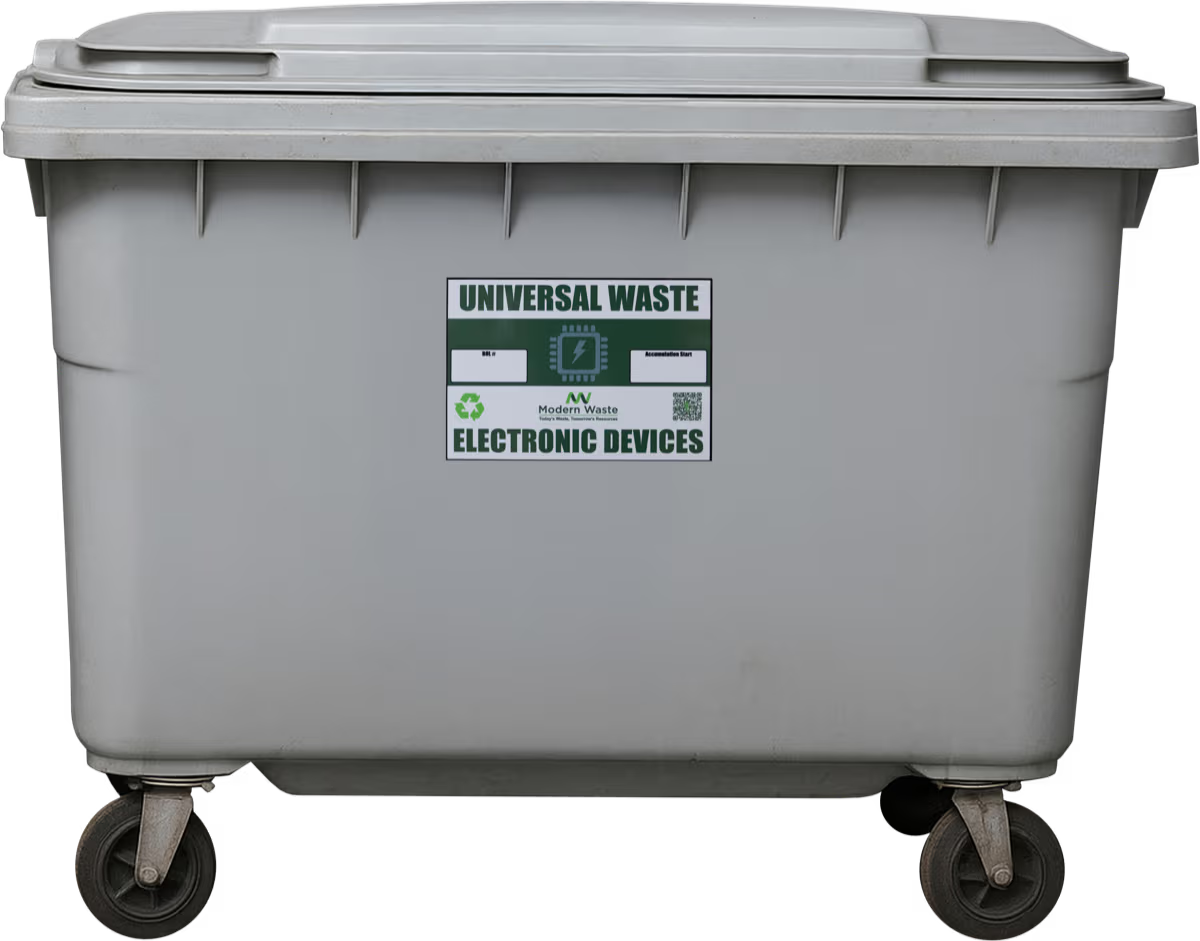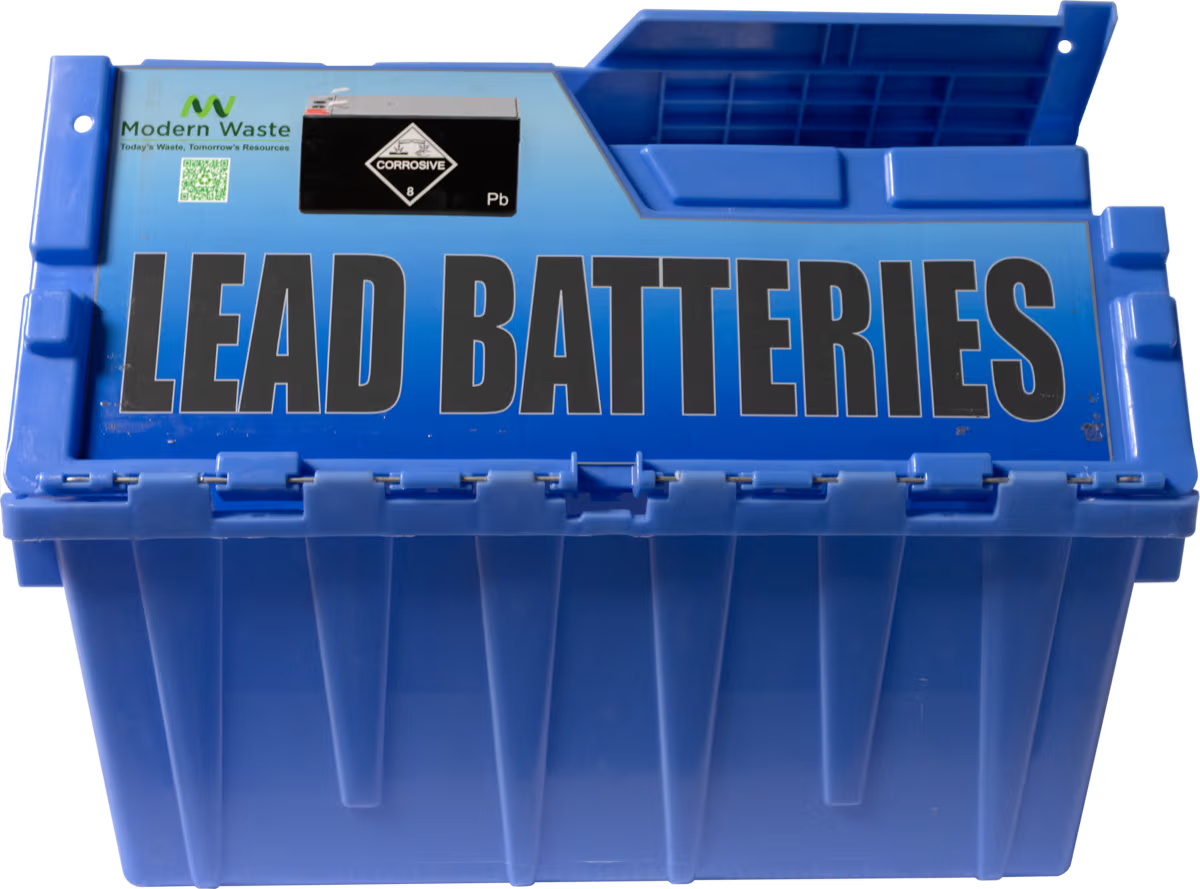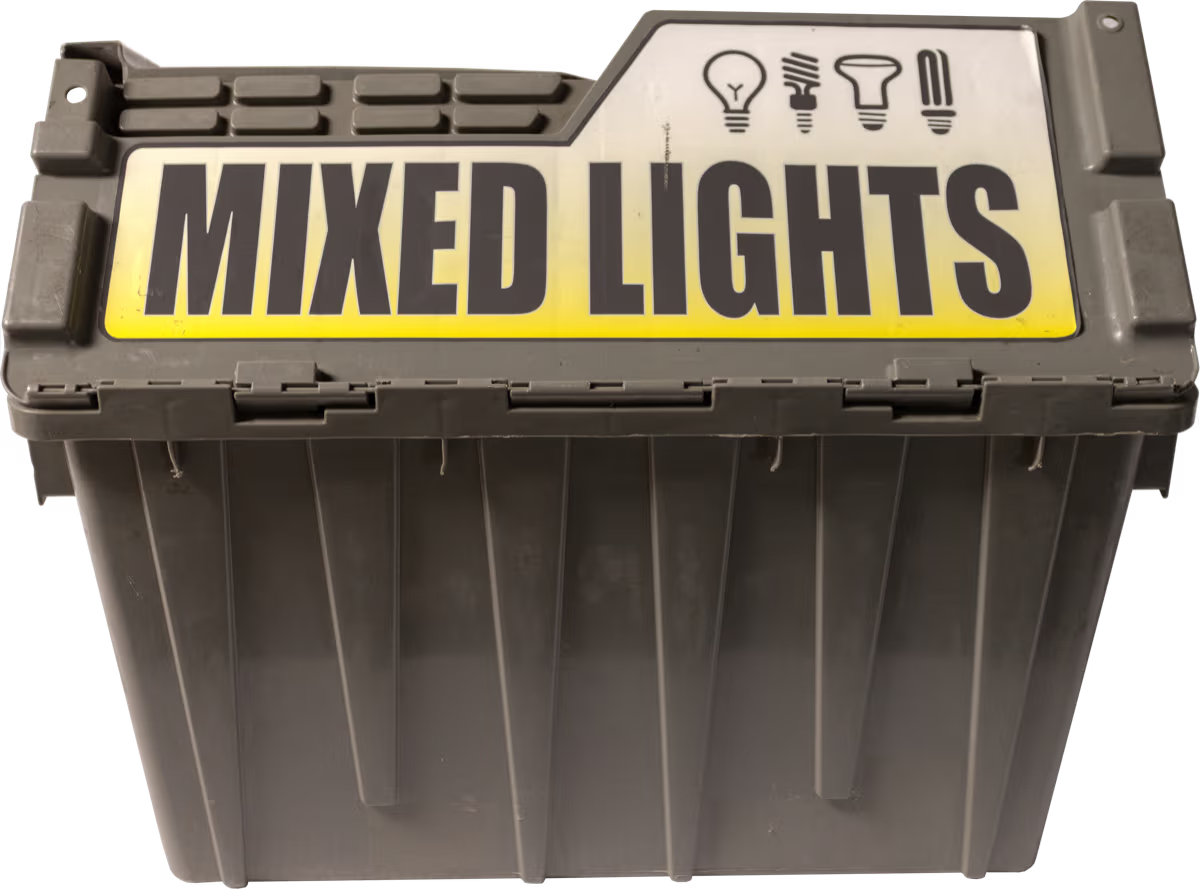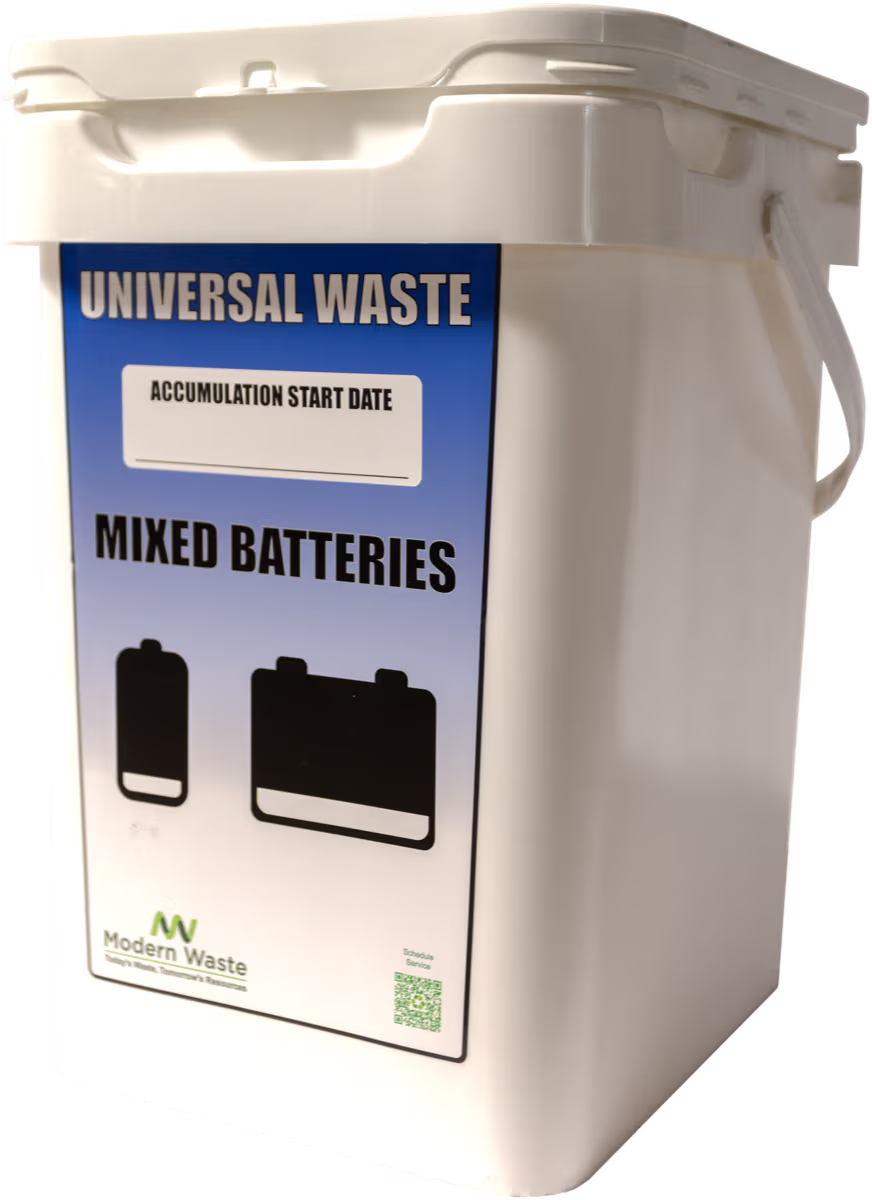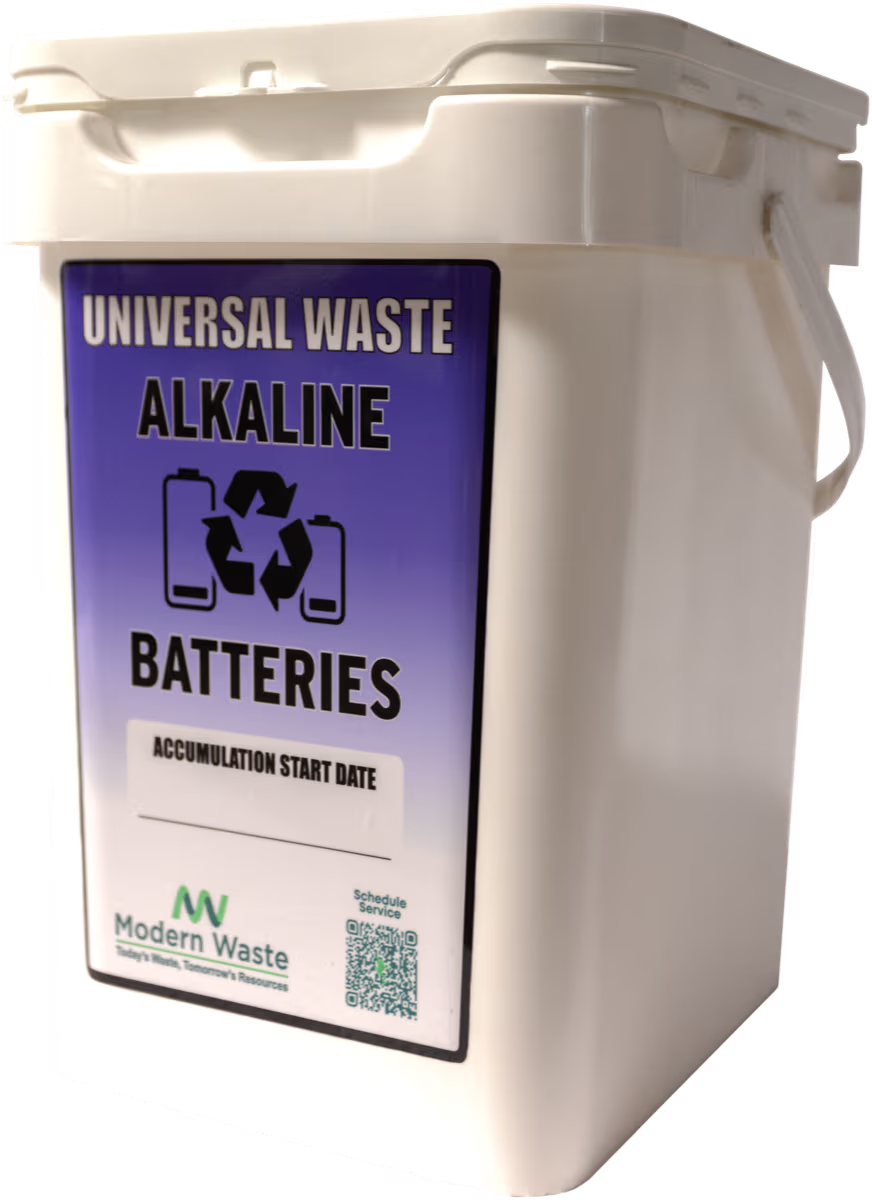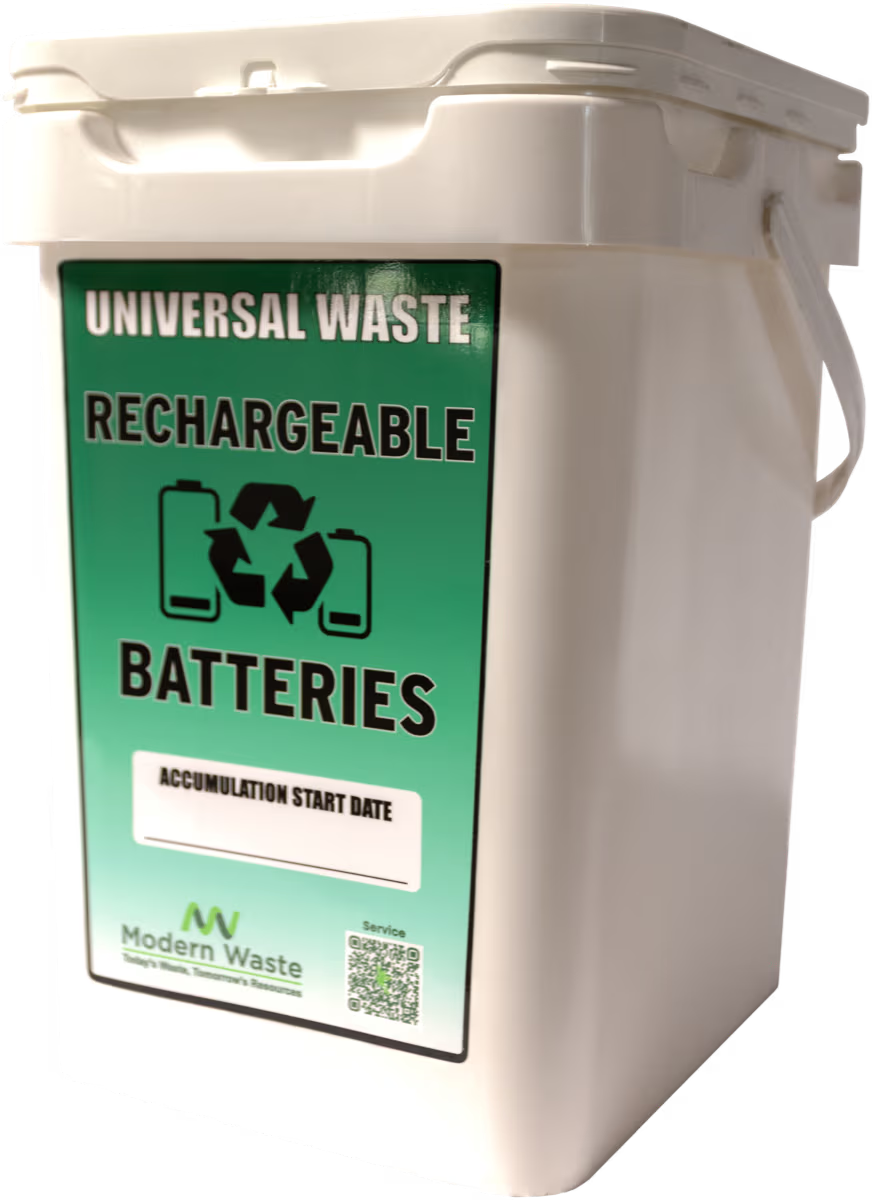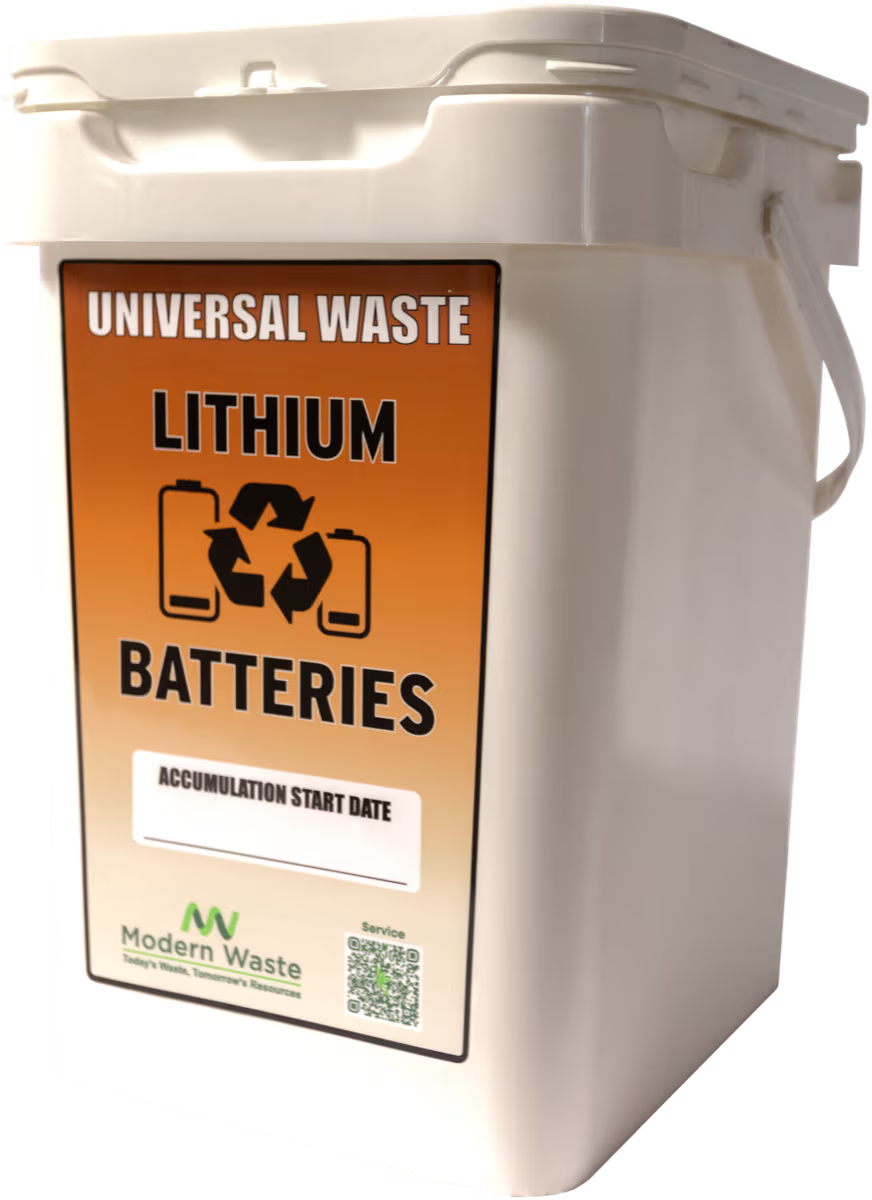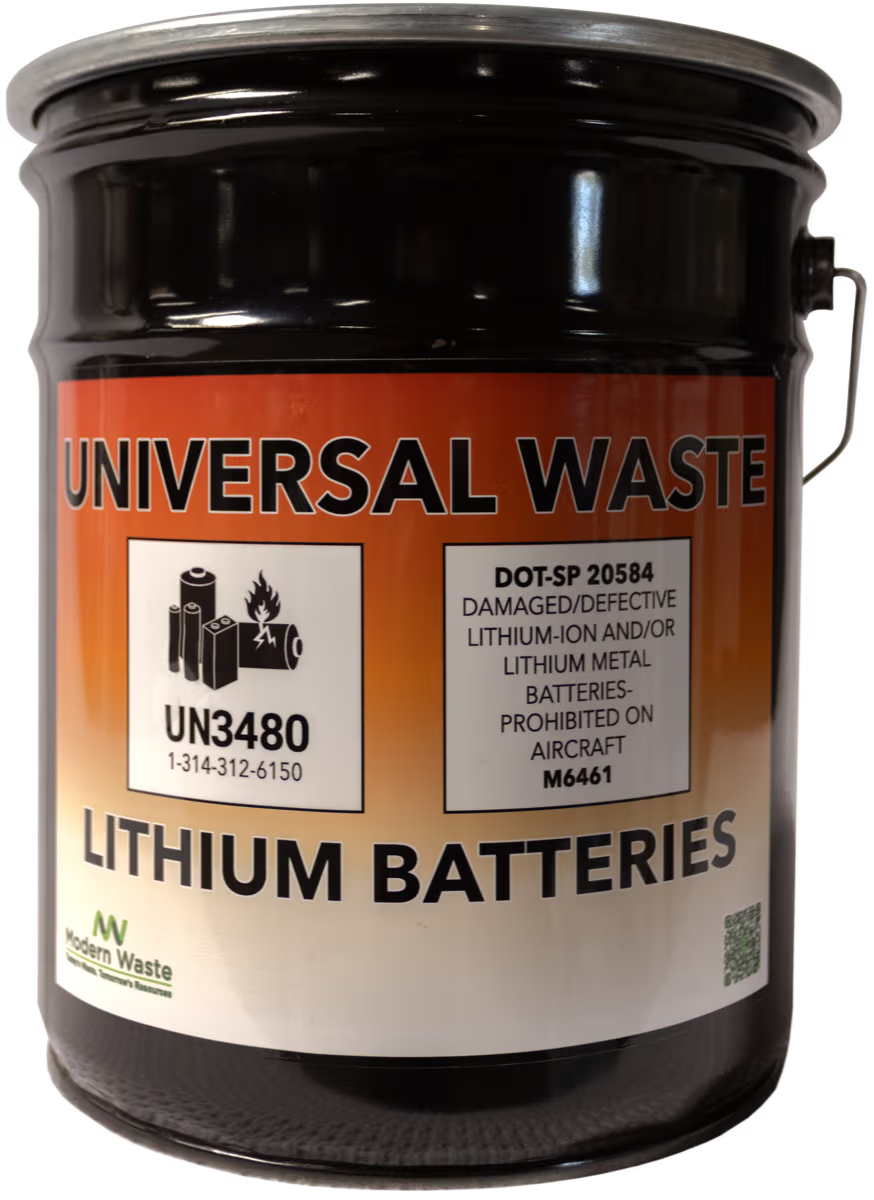




Containers only work when the people using them know what goes where. A lithium battery tossed in with mixed electronics is a fire risk, and a hard drive left in an open bin is a data risk.
Training is step two of our six-step program. Once the containers and labels are in place, we provide ongoing oversight, practical training and guidance so your team can handle materials correctly and fix mistakes before they become compliance problems.
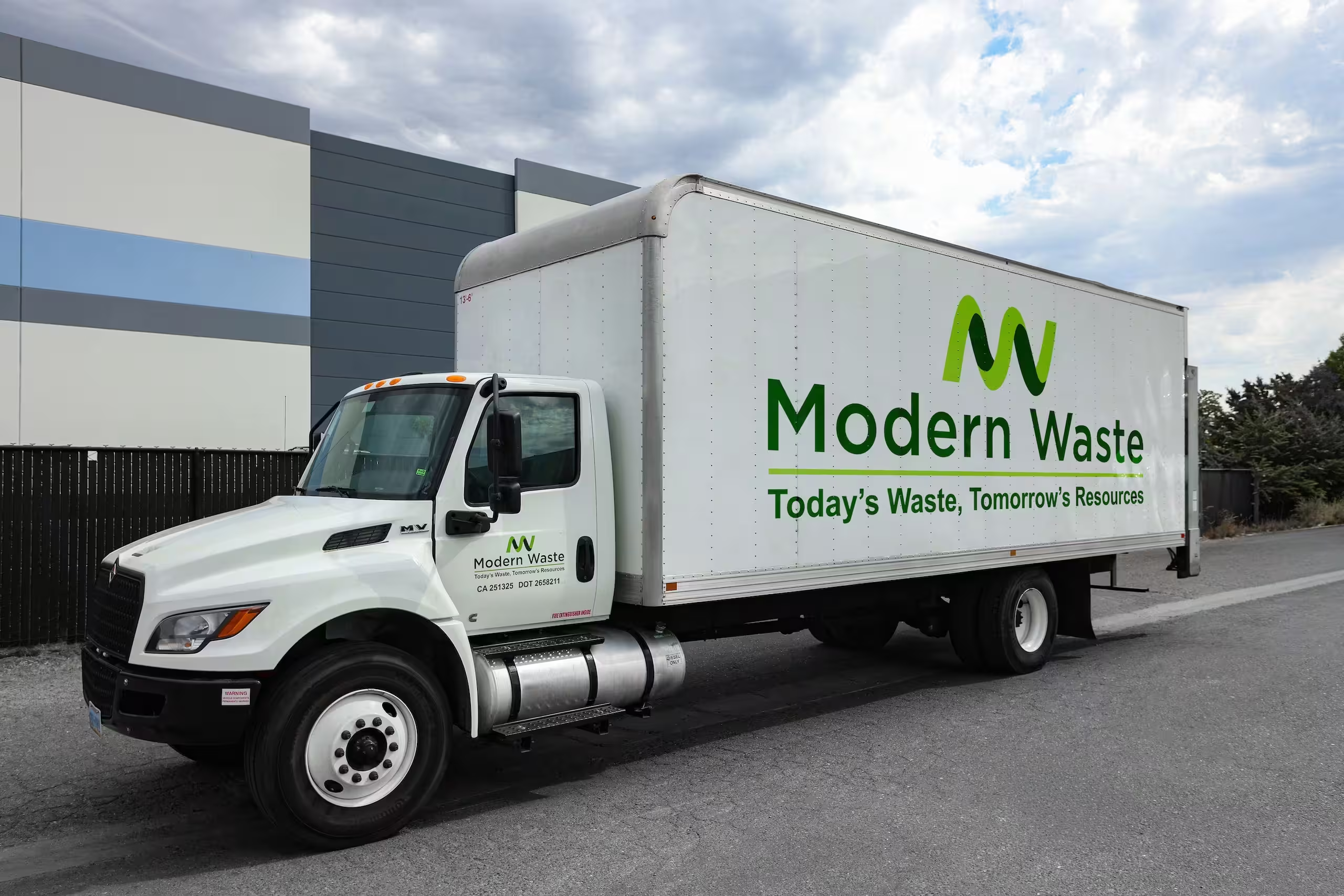
Our pickups are led by Field Service Managers. Along with collecting material, they run our on-site operations and coordinate logistics, and they're the people who work with your staff at the containers. Their job is to help your business stay secure, environmentally compliant and cost-effective. They bring:
- insight into the regulatory requirements for the materials you generate
- training on handling and sorting best practices
- updates on current practice in asset management
Training is matched to the materials at your site and can cover:
| Topic | What your staff learn |
|---|---|
| Container use | Which items belong in each labeled bin, cart or bucket, and which materials must stay separate |
| Battery chemistry | How to read the chemistry code on the case (Li-ion, NiCd, NiMH and similar) and sort batteries at the point of collection |
| Damaged batteries | How to recognize swollen, leaking or damaged batteries, pull them out of routine collection and who to call |
| Short circuits | When to tape terminals or bag batteries individually, and why loose batteries must be kept away from metal |
| Data-bearing devices | How to spot equipment that may store data, such as phones, tablets and printers or copiers with internal drives, and keep it in a controlled container |
| Special items | How to identify fluorescent lamps, CRT monitors, light ballasts and other items that need their own handling |
| Labels and dates | How to label a container and record the date material was first stored in it |
Sorting is especially important for batteries, because each chemistry follows a different recovery process and certain mixes are unsafe. Our battery recycling service provides the containers, labeling and signage that make the sorting rules easy to follow.
Under California's DTSC universal waste rules, employees who handle universal waste need instructions that fit their responsibilities, including how to recognize damage and where to escalate a problem. The rules also expect containers to be labeled, dated, closed when appropriate and in sound condition. Training is how those requirements reach the person standing at the bin.
The business that discards the material stays responsible for it until it reaches an authorized destination. Staff who sort and label correctly at the start make the rest of that chain much easier to document.
Our own crews work under an ISO 45001 occupational health and safety management system, which relies on hazard assessments, safety audits and employee training for handling electronic waste, batteries and hazardous materials.
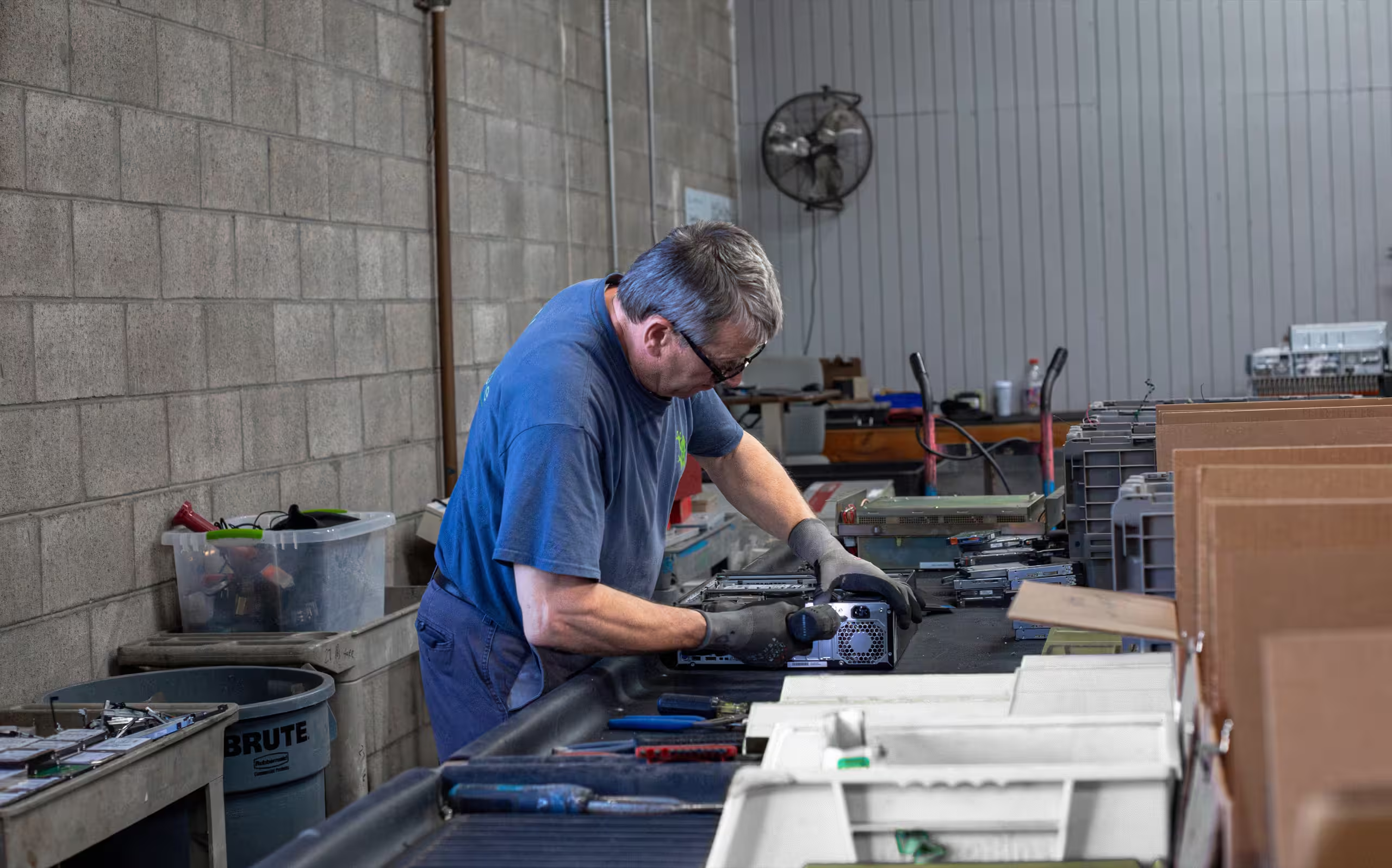
Pickup is often where sorting mistakes come to light. Our teams are trained to solve issues in the field, so when a container holds the wrong material, such as mixed battery chemistries or a laptop in the general e-waste bin, the Field Service Manager sorts it out with your staff on site and explains what should change. Correct containers and labels reduce fire risk and speed up pickup verification.
Training continues after the first visit. When your volume, access or materials change, or new staff take over the storage area, tell your dedicated contact so the route, the equipment and the instructions stay current.
Some decisions belong to your organization. You decide what is leaving, resolve any legal holds on data and give staff a labeled place to put batteries and devices between pickups. For IT equipment, that includes written authorization to release each asset. It also means removing BIOS passwords, firmware locks and device-management enrollment that could block a data wipe.
Devices flagged for hard drive destruction should be set aside and labeled so they never enter a general recycling load. Everything after the pickup becomes our process and our documentation.
Sorted, labeled material moves through pickup faster and is logged accurately during tracking. It also reaches the right processing stream the first time, so your certificates and reports reflect what actually happened to each material.