
Our processing is built to be secure, environmentally friendly and cost effective: every device is handled under documented chain of custody, as little as possible goes to landfill, and the value we recover from your material keeps your costs down.
Processing is step five of our six-step program. It covers what happens once a load reaches our Sacramento facility: triage, data treatment, reuse, dismantling and recycling.
- We log the load under its ticket number and stage it inside our secure facility.
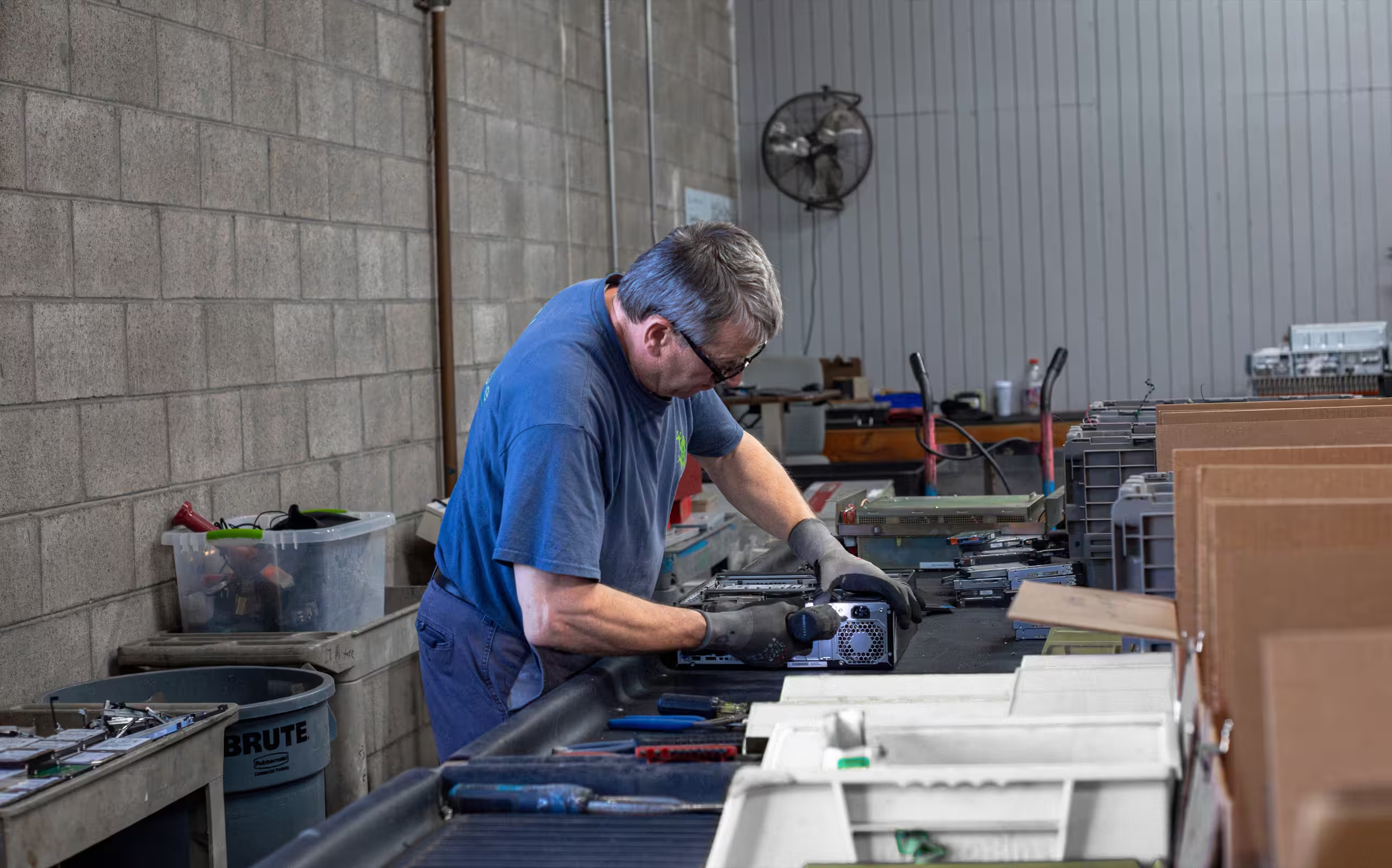
- We triage it, first for devices that may hold data, then for equipment suitable for reuse, then by device, component or material category.
- We remove hard drives and wipe or destroy them, and we separate devices for reuse or for further teardown and recycling.
- We send separated materials to downstream partners for reuse, recycling, destruction and end-of-life processing, and we audit and track what goes to them.
Some outcomes are better for the environment than others, so we work down this order:
- Full reuse has the highest impact. A device reused as it was originally manufactured needs no extra energy to reprocess, and resale adds value back to your bottom line.
- Component reuse comes next. When a whole device can't be reused, parts can often be salvaged and repurposed, which reduces the demand for newly manufactured parts and cuts waste.
- Recycling is the last resort. Separating, melting down and refining raw materials uses energy and creates emissions, although it's still better than disposal.
Resale only happens after the data question is settled. Whether it makes sense depends on the equipment's age, condition, configuration and market demand, and value can't be promised before testing and market review. When resale is part of a project, the proposal lists service charges and any resale assumptions as separate lines.
Every data-bearing device gets a wipe or destroy decision before anything else happens to it.
| Method | When it's used | What you receive |
|---|---|---|
| Wiping to NIST SP 800-88 | Drives in devices headed for resale, donation, redeployment or return to a lessor | An erasure report listing each drive by serial number with the method and verification result |
| Shredding at our facility | Drives that must be destroyed, drives that fail a wipe, and damaged media | A certificate of destruction |
| On-site shredding | When your team wants to watch drives destroyed at your location | A certificate of destruction |
Hard drive destruction follows a fixed sequence. Drives are removed from each computer, laptop or server, their serial numbers are scanned and archived, the drives are shredded, and the shredded pieces go to a smelter for materials recovery.
A computer's useful life is often set by software compatibility. If a system can still run current software, we sanitize the data, test the hardware and return it to the market for reuse. If it can't, we salvage components to reduce the need for new parts and recycle what's left for materials such as steel, copper, gold and silver.
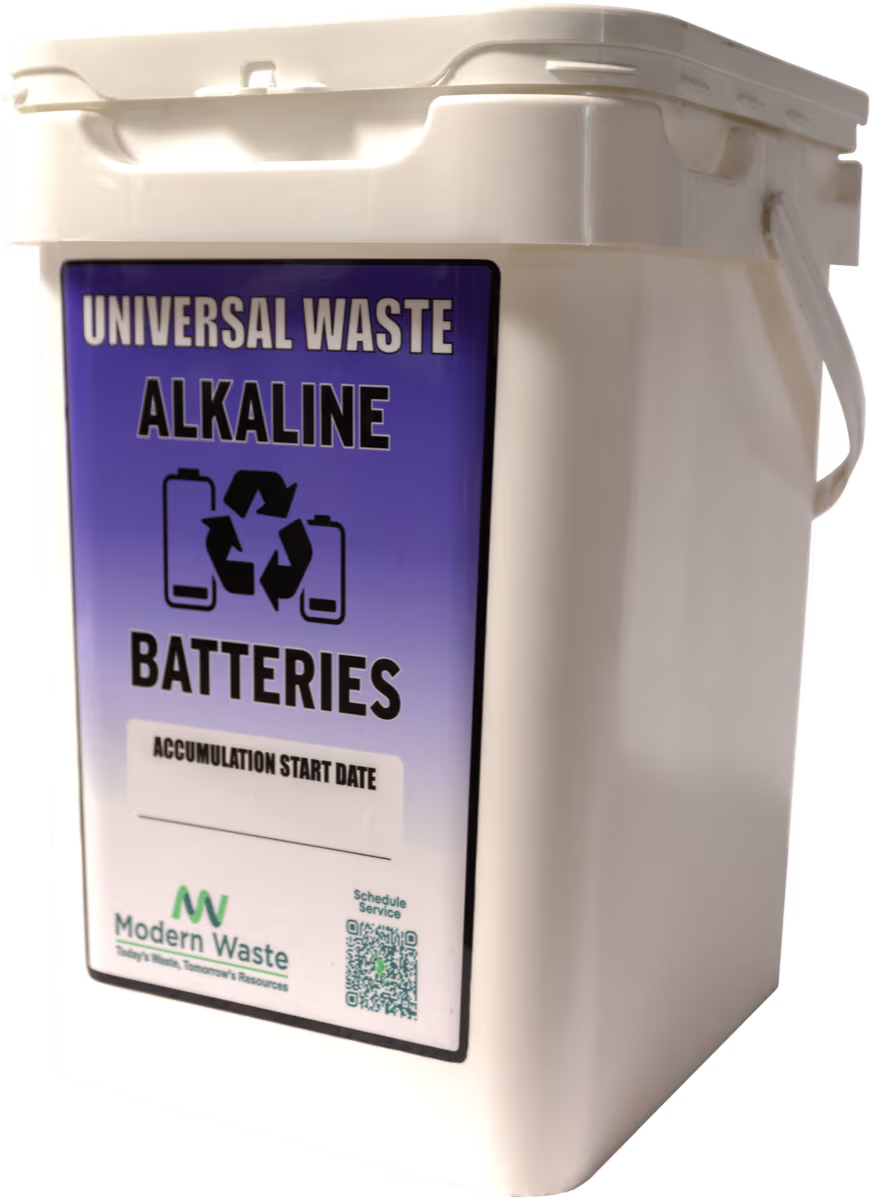
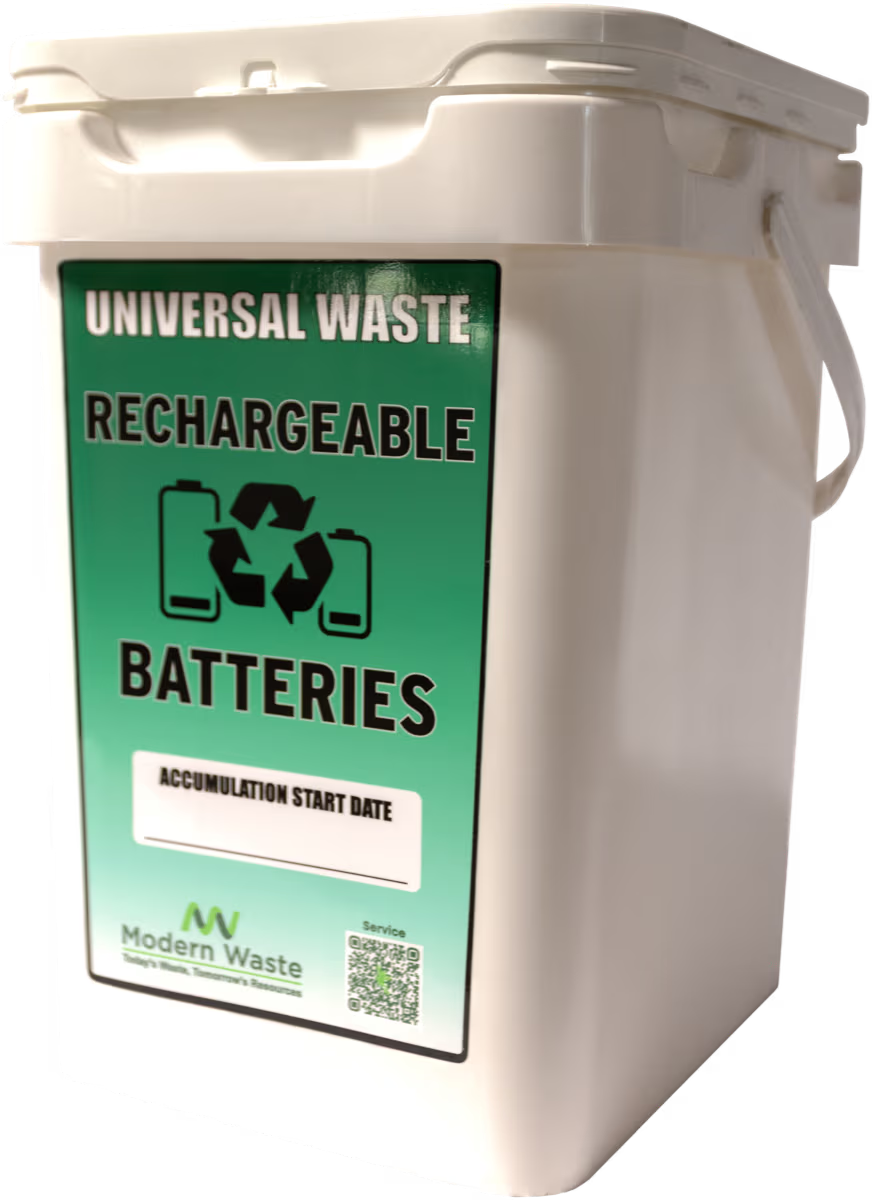
Alkaline batteries are shredded and separated using heat or chemicals. The recovered zinc and manganese concentrate, steel, paper and plastic go back into manufacturing, agriculture and other industries, reducing the demand for virgin resources.
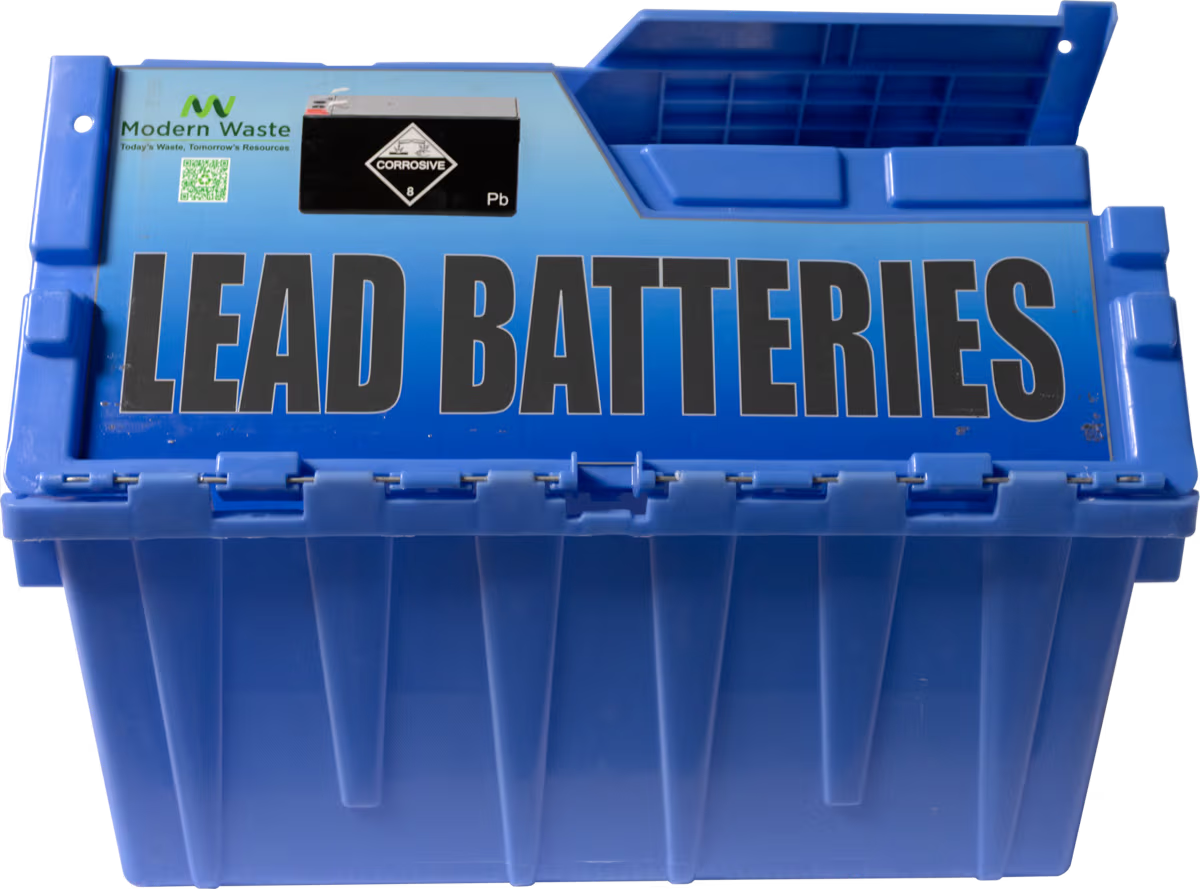
Lead-acid batteries go through a closed-loop process. Plastic parts are washed, dried and turned into pellets for new battery cases. Lead is melted, purified and poured into ingots for new batteries. The acid is either neutralized into clean water or converted into sodium sulfate for industrial use.
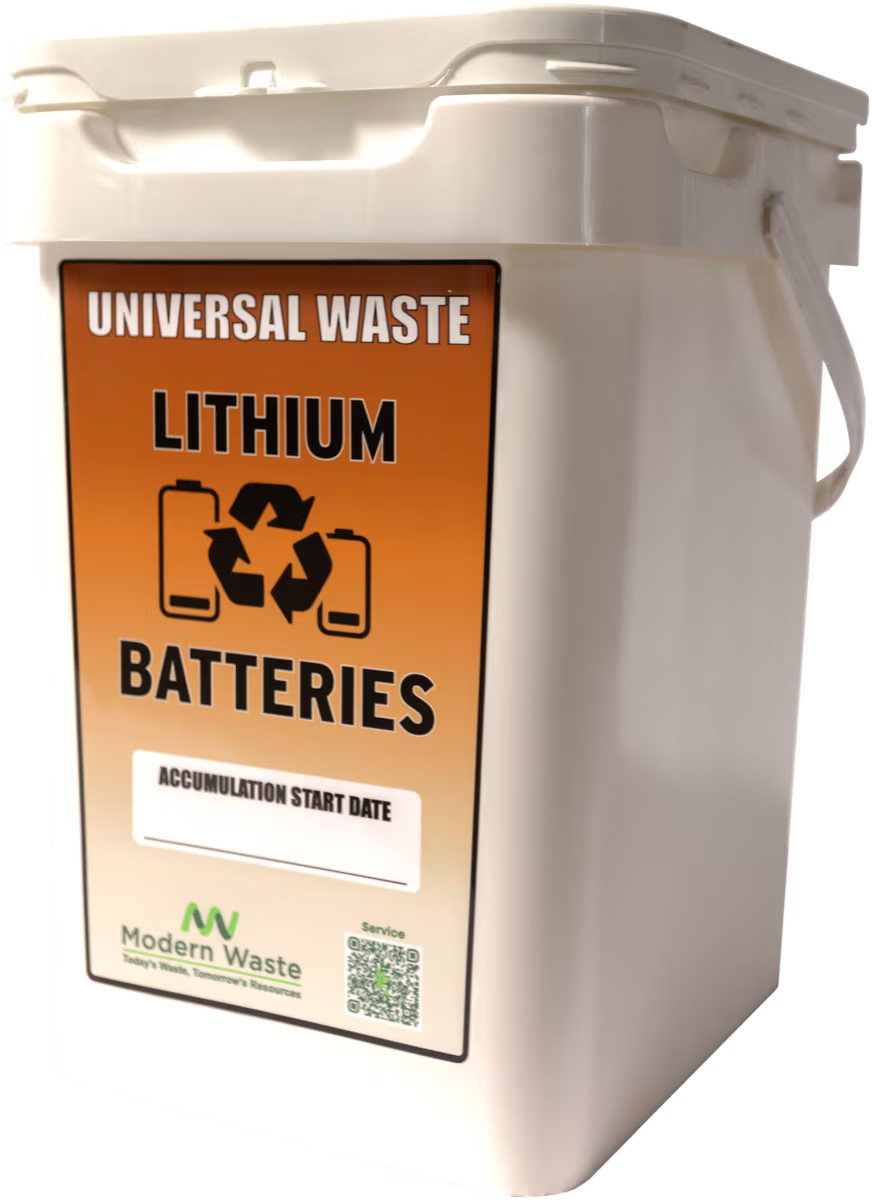
Tool batteries are usually built from groups of smaller cells. Cells that test as viable can be reused, and the rest go to material recovery.
CRT monitors are counted separately and routed to a CRT glass stream because the picture tube contains lead. Older LCD monitors are kept whole in transport so their mercury backlight lamps don't break.
Our ISO 14001 environmental management system covers material handling, processing, transportation, downstream vendor management and disposal. ISO 45001 covers the safety of the people handling electronic waste, batteries and hazardous materials. ISO 9001 means every load is processed under the same documented procedure.
A properly separated load moves through processing more efficiently and more safely than a mixed one, which is why sorting at your site and tracking come first. When processing is complete, the results go into your certificates and reports.