



Once material leaves your building, the records are how you show what happened to it. Tracking is step four of our six-step program. We log everything we collect, from the moment it's picked up until it's fully processed, so you have a traceable record for each load and, where you need it, for each device.
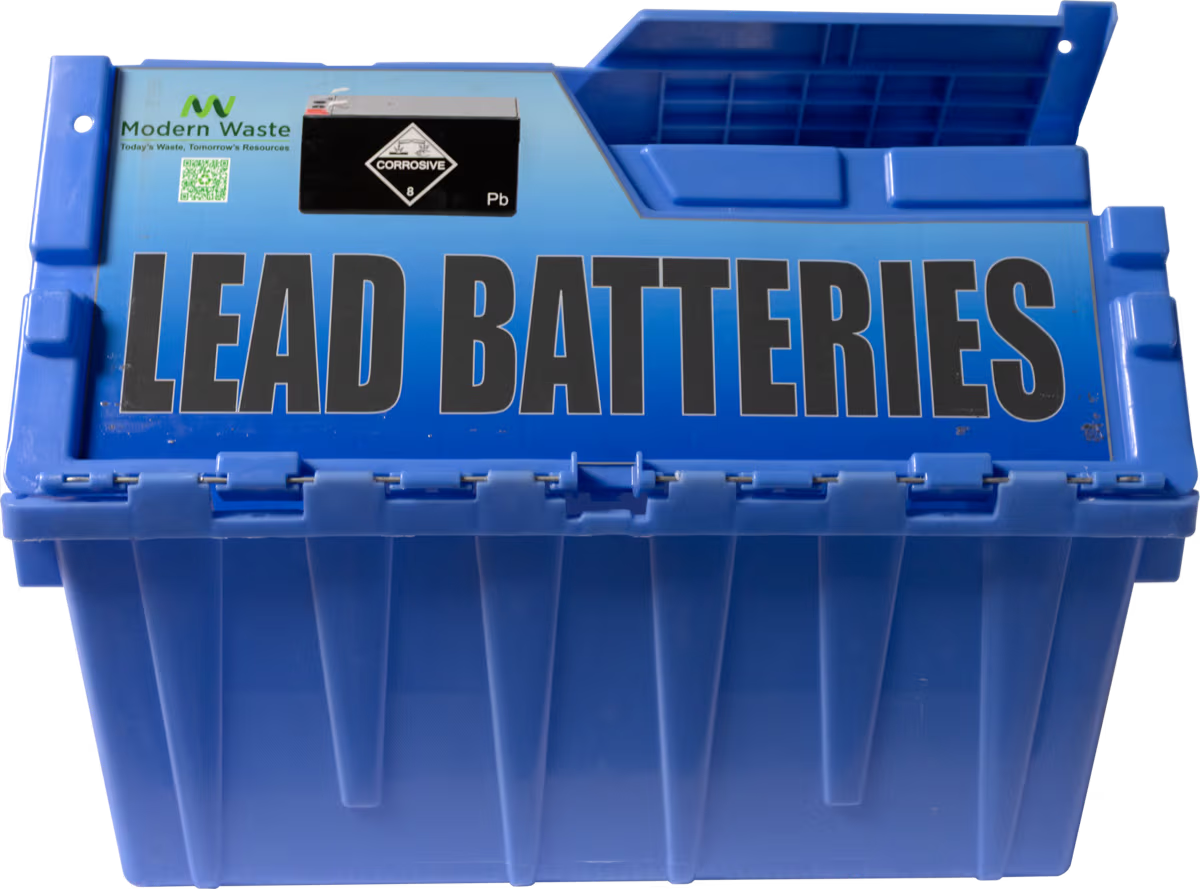
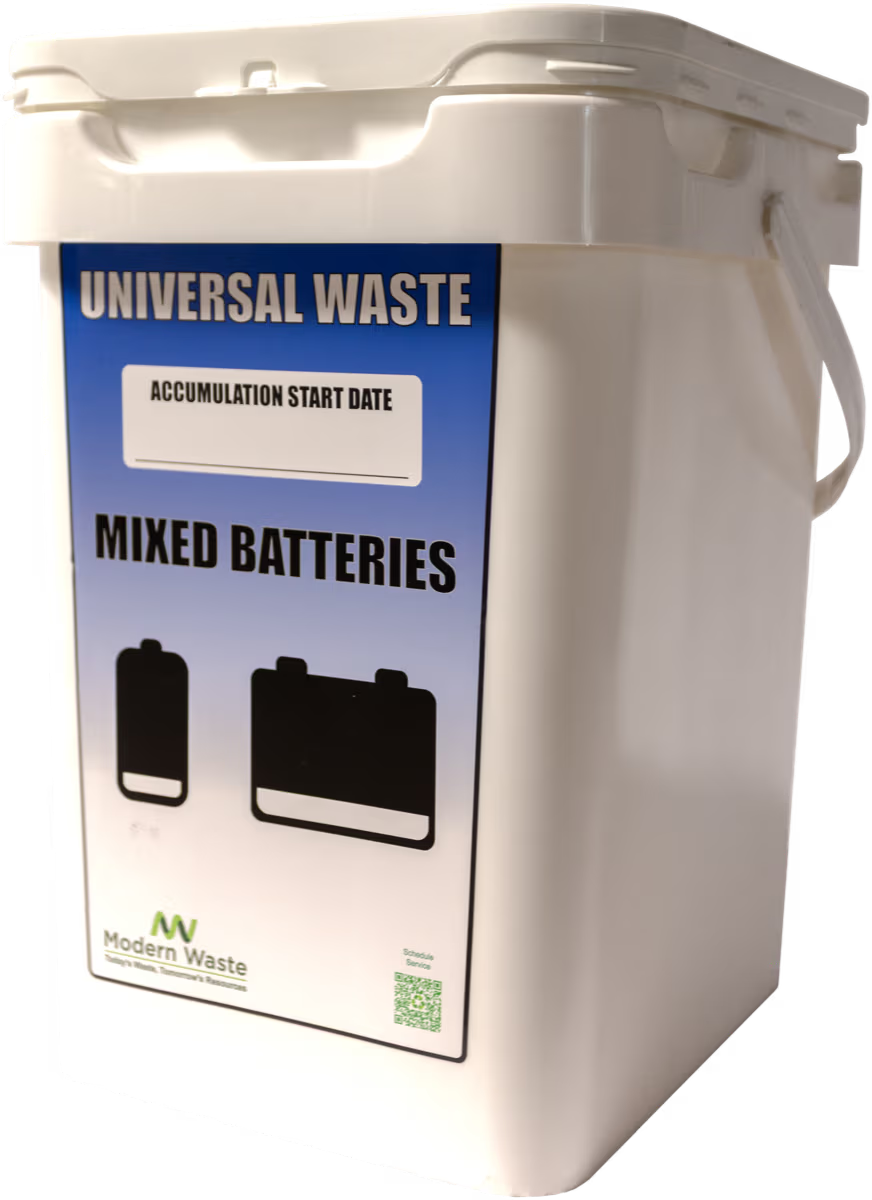
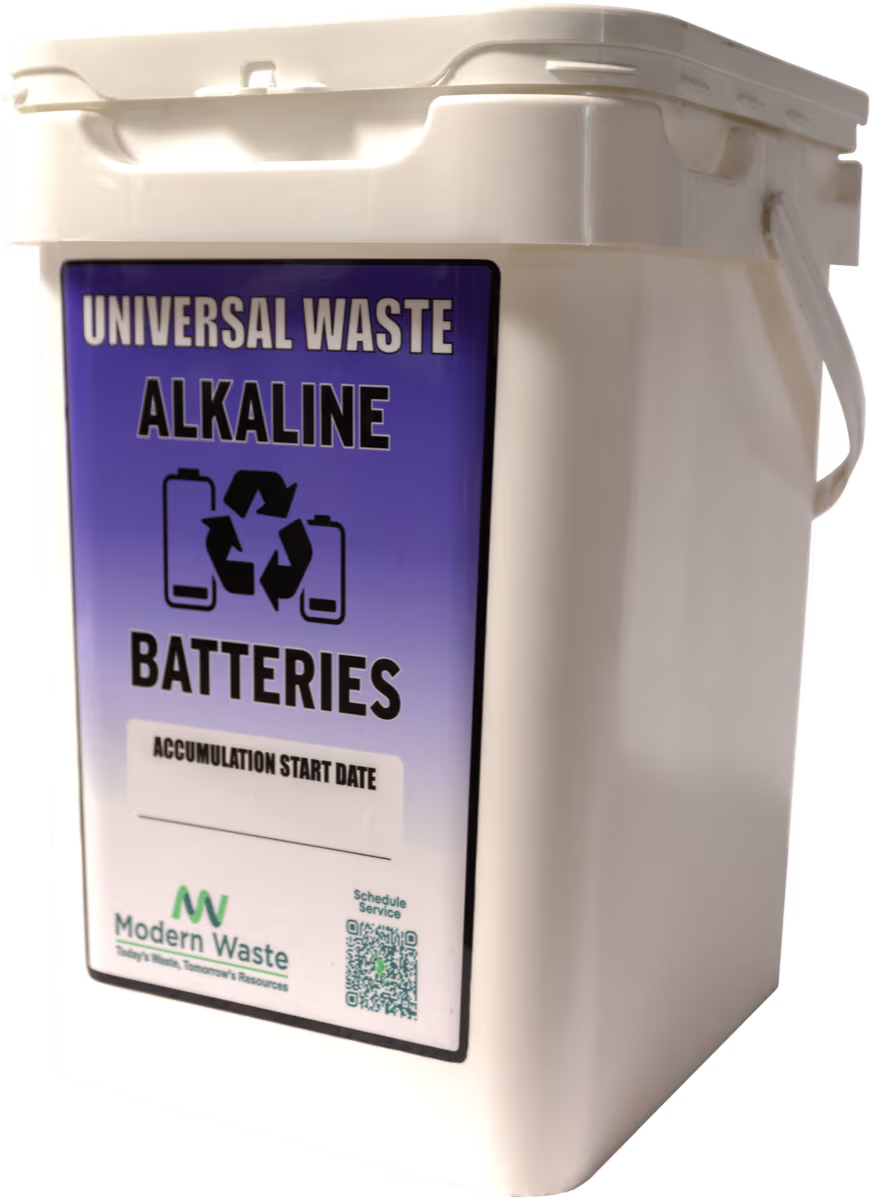
Tracking matters most for data security and asset protection. A retired laptop can still hold client records, and a pallet of spent batteries is still regulated material, so you need proof of where both went.
Every load gets a ticket number in our secure database, and the ticket stays attached to the load while it's staged inside our secure facility. Against that ticket we log:
- material type
- weight
- serial numbers
- pickup and processing dates
- any custom data points you request
IT equipment can be tracked in more detail. Our asset tracking tags and reports devices by type, make, model and serial number, so the closeout report can be checked line by line against the asset list you released.
| Tracking level | What it records | Common use |
|---|---|---|
| Load level | Ticket number, material type, weight, and pickup and processing dates | Routine e-waste, batteries, lamps and other bulk streams |
| Asset level | Device type, make, model and serial number for each item, with its outcome | Computer refreshes, lease returns and ITAD programs |
| Drive level | Drive serial number, the method applied and the verification or destruction result | Hard drives and SSDs that are wiped or destroyed |
Banks, healthcare providers, law firms and public agencies often need asset-level records even for a small batch. Serial-level results depend on an agreed inventory process at pickup, so tell us before collection if you need them. Organizations with several sites can share one set of program rules and still keep pickup and reporting details for each location.
- Before pickup, you give each asset class a disposition: redeploy, evaluate for reuse, wipe, physically destroy or recycle. Anything that arrives without a code, or doesn't match its code, is held for review.
- At pickup, equipment is matched to your release list. For data center decommissioning, every component is asset-tagged before removal so the records match what actually left your facility.
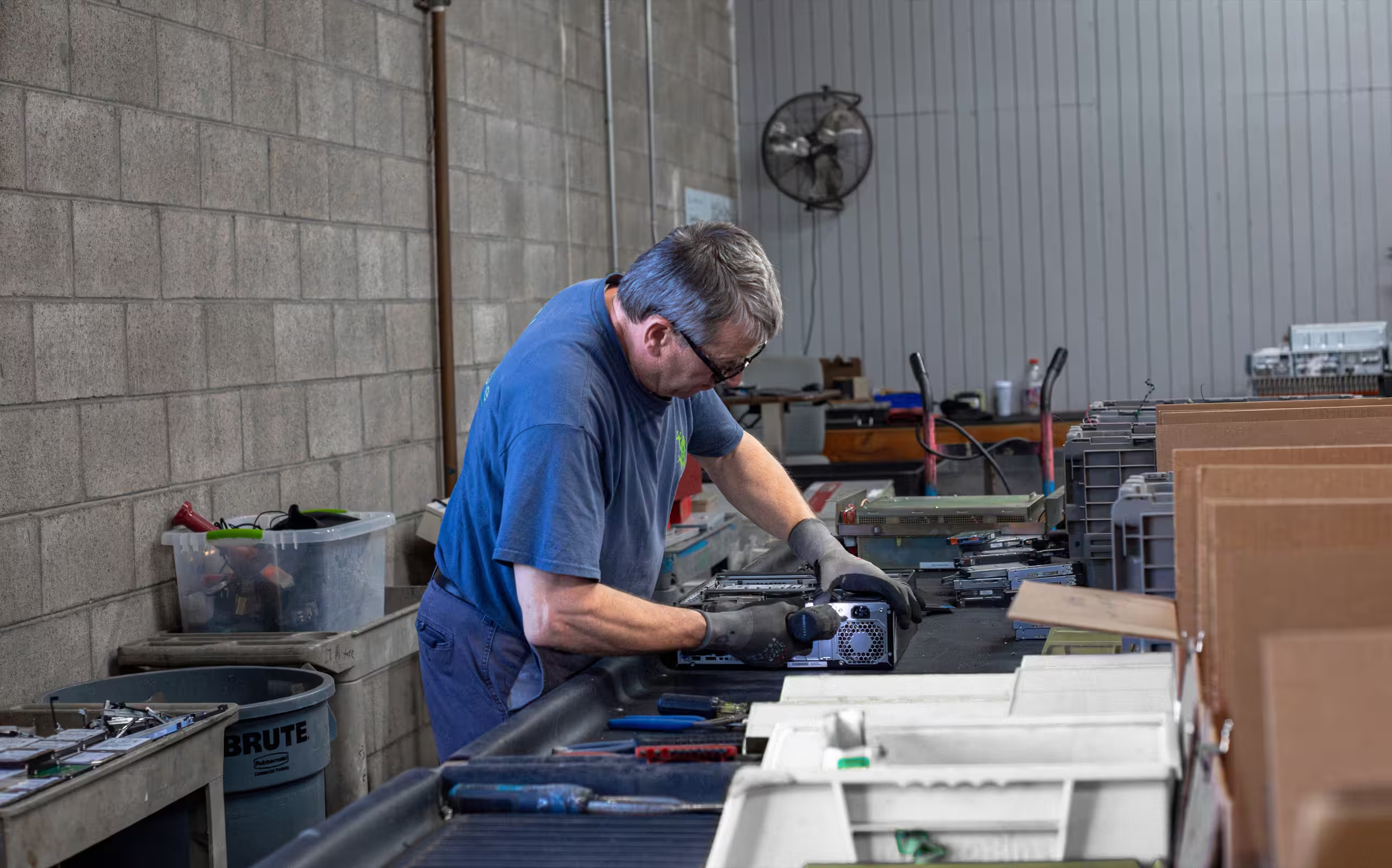
- At intake, the load is weighed or counted and logged under its ticket number. It's then triaged: first for devices that may hold data, then for reuse potential, then by device, component or material category.
- During processing, each wipe is recorded against the drive serial number with its method and verification result. Drives that fail are pulled aside, labeled and, with your approval, sent to physical destruction.
- After processing, the materials we send to downstream partners for reuse, recycling or end-of-life processing are audited and tracked.
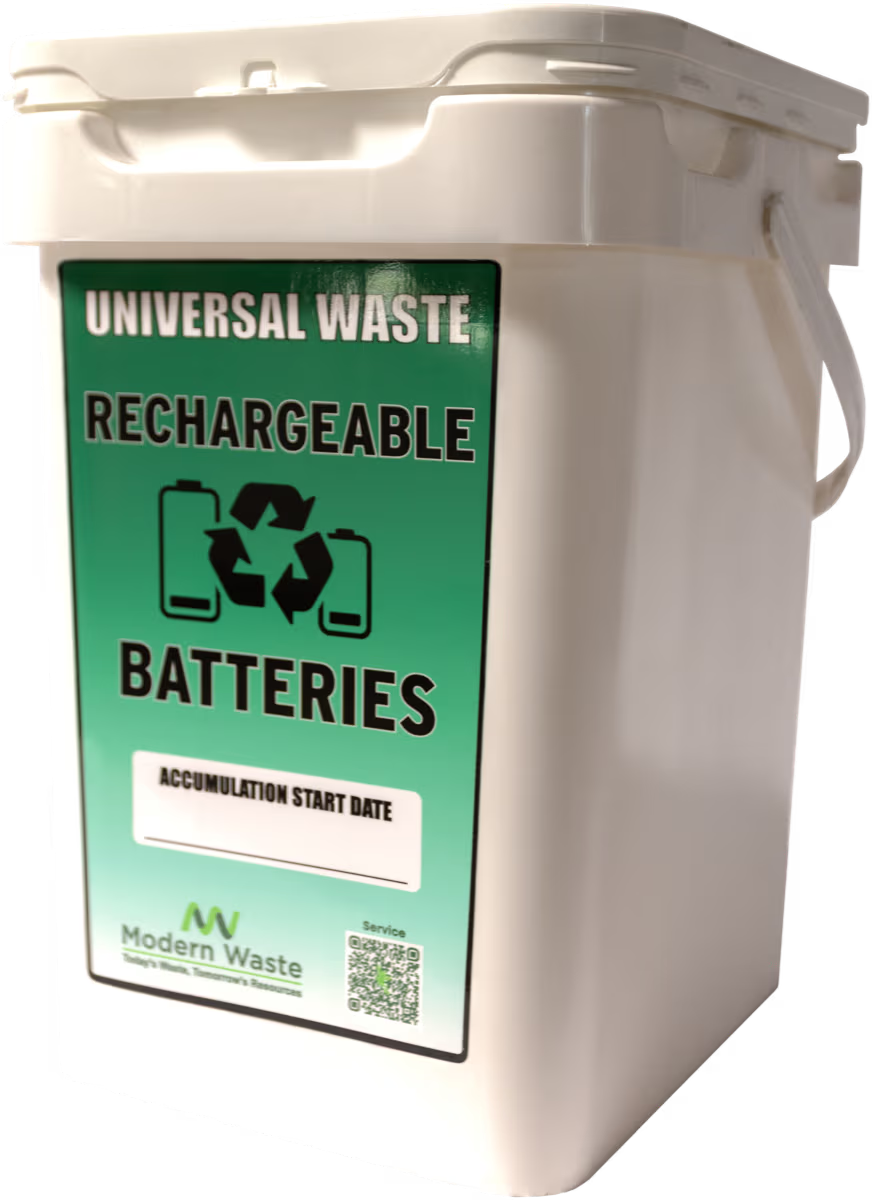
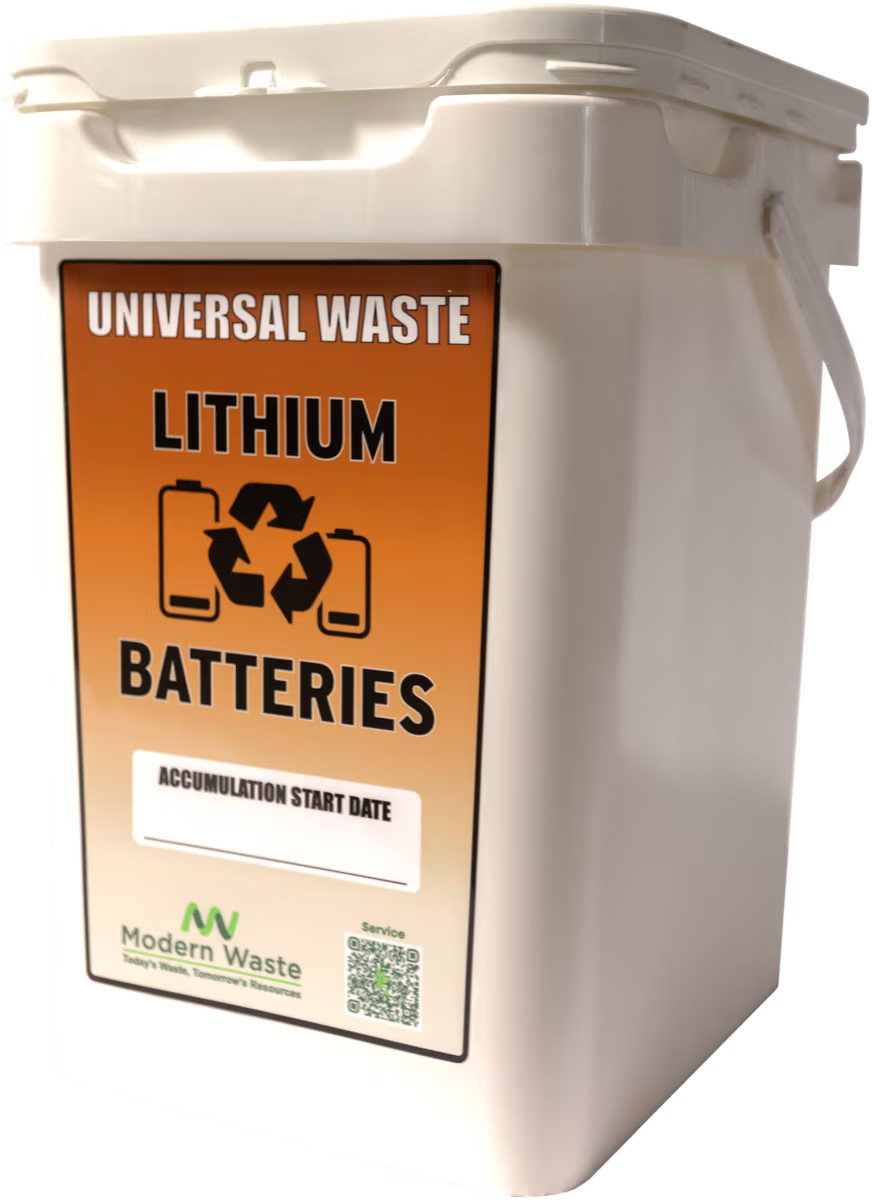
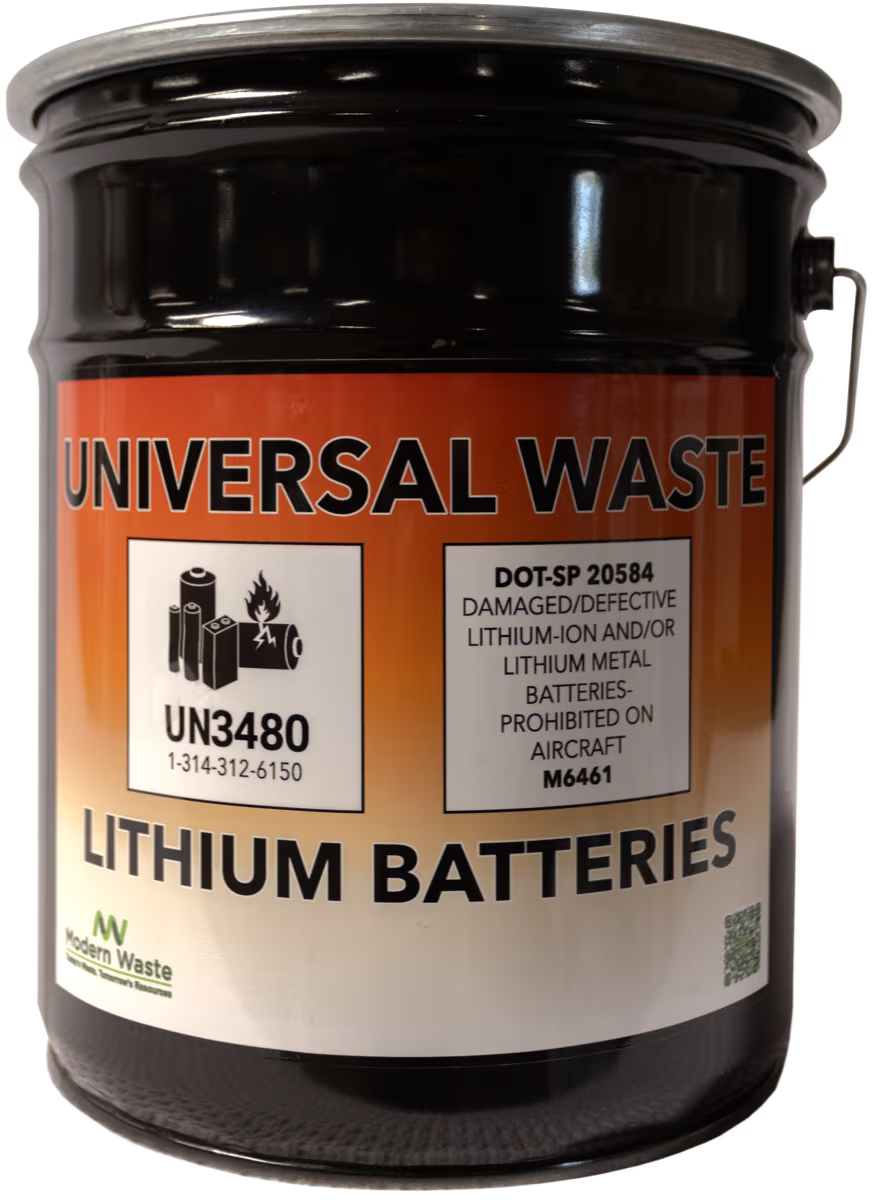
California treats most electronics and batteries as universal waste, and the business that discards them remains responsible until they reach an authorized destination. A tracking record is how you show that they did. Accurate, transparent records also:
- limit your liability if your disposal practices are questioned
- support environmental and sustainability reporting
- back up your internal compliance and data security policies
- show that assets were managed responsibly
Every pickup follows the same documented process, so each certificate traces back to the same procedure when an auditor asks. Our ISO 9001 quality management system requires documented intake, inventory and reporting procedures, which keeps the closeout report matched to what was collected.
Reconcile the final report against your release list so every server, laptop and data device is accounted for. Raise any discrepancy against the pickup ticket before the project closes. The tracking data then feeds the certificates and summaries described in the reports step, after the material has gone through processing.