Published January 27, 2025 · 5 min read
· Updated September 27, 2026
Which batteries pile up on job sites, how to store them safely between pickups, how to run battery recycling across several projects, and which other regulated waste needs a plan.
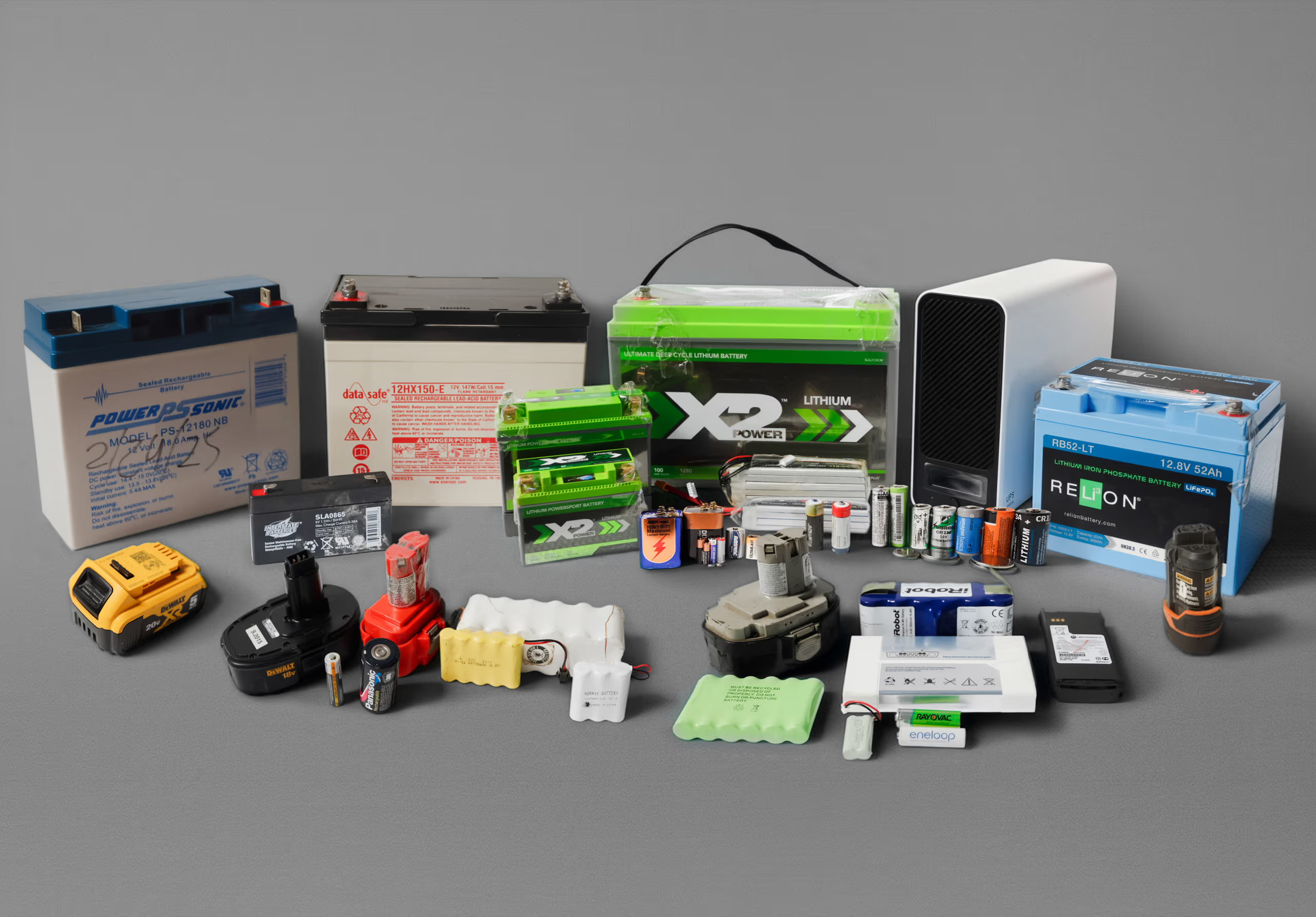
A busy job site goes through batteries quickly. Cordless drill and saw packs wear out, laser levels and radios eat AA cells, and lifts, light towers and generators carry lead-acid batteries that eventually fail. Spent packs end up in truck beds, gang boxes and, too often, the roll-off bin. In California none of them can go in the trash, and a damaged lithium pack in a dumpster full of wood and cardboard is a fire risk.
Modern Waste Solutions has operated since 1999 from its Sacramento facility and recycles every common battery chemistry for contractors and other businesses throughout California. This guide covers the batteries that pile up on construction sites, how to store them between pickups, how to run battery recycling across several projects, and the other regulated waste a site should plan for.
Which batteries turn up on construction sites?
Equipment batteries have their own storage and lifting issues. Our guide to lead-acid battery recycling covers them in detail.
Why can't job-site batteries go in the dumpster?
CalRecycle bans every type of battery from the trash, from AA cells to lead-acid, and DTSC regulates most spent batteries as universal waste. The company that generates them is responsible for getting them to an authorized recycler, and a roll-off box is the first place an inspector or a hauler will notice them.
There is a practical reason too. Lithium-ion packs that have been crushed, punctured or shorted can go into thermal runaway, and a bin loaded with lumber, packaging and drywall scraps gives a battery fire plenty to burn. Batteries in waste trucks and sorting facilities are a known cause of fires. Our article on the risks of improper battery disposal explains how those fires start.
On multi-contractor projects, settle before work starts which company collects and documents spent batteries. When nobody owns it, batteries leave the site in whichever truck happens to be closest.
How should batteries be stored on a construction site?
- Keep a small, lidded container for each chemistry in the job trailer or a secure gang box: lithium, alkaline, and rechargeable NiCd or NiMH.
- Tape the terminals of lithium packs and 9-volt batteries, or bag each one, before it goes in the container.
- Store containers dry, shaded and away from fuel, compressed gas and hot work. Heat inside a closed trailer shortens the margin on a damaged pack.
- Set swollen, cracked, leaking or hot batteries apart in a separate container, outdoors or in a ventilated area, and call for handling instructions.
- Keep lead-acid batteries upright on an acid-resistant surface with the terminals covered.
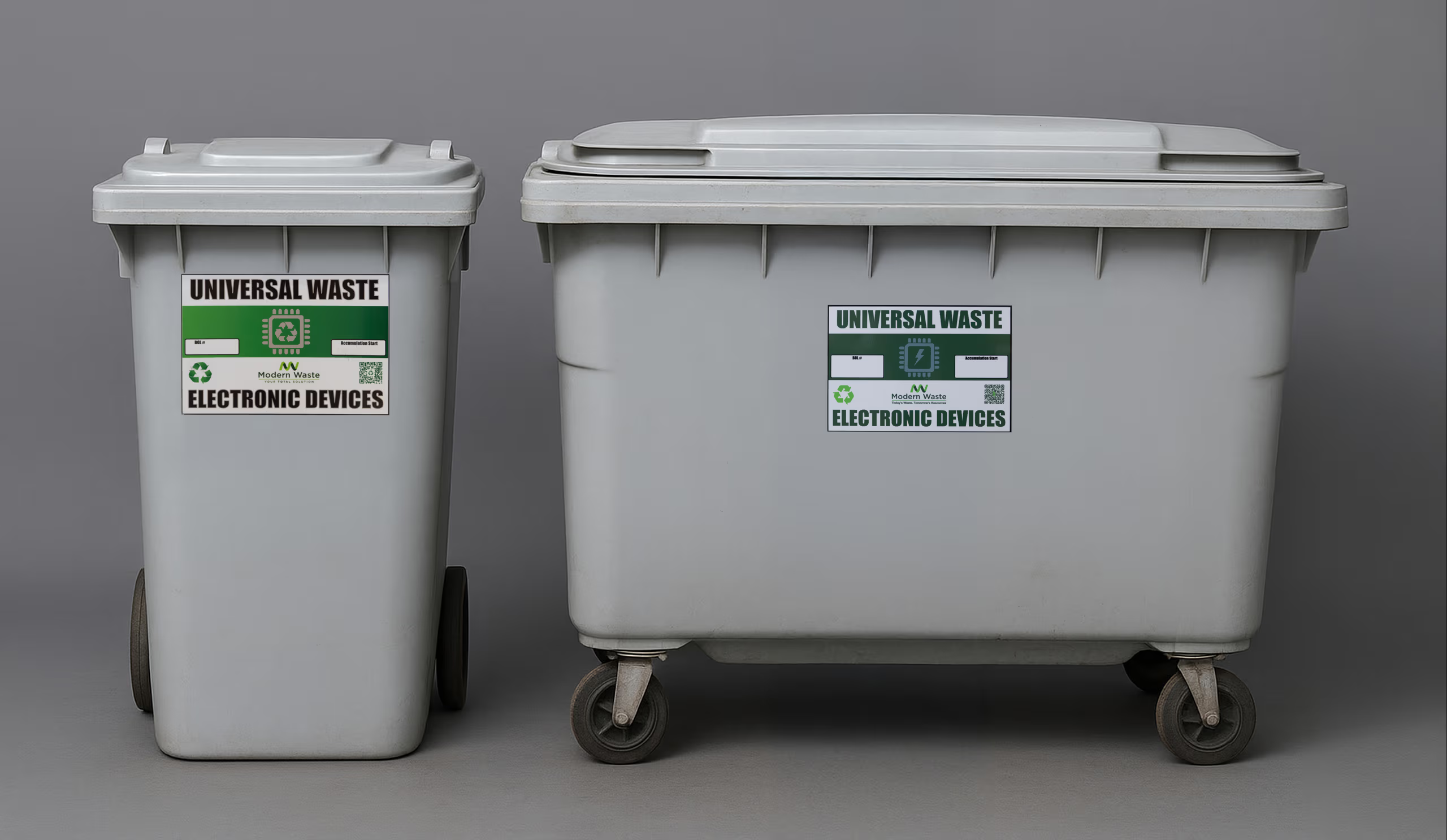
- Label each container with the words "Universal Waste", the type of battery, and the date the first one went in.
Where lead-acid batteries are charged on site, OSHA's construction standard (29 CFR 1926.441) applies. It calls for ventilation so charging gases can't build up, face shields, aprons and rubber gloves for workers handling acid or batteries, facilities for quick drenching of the eyes and body within 25 feet of battery handling areas, and a way to flush and neutralize spilled electrolyte.
How do you run battery recycling across several job sites?
Contractors with more than one active project do better with a standard setup than with a different habit at every site.
- Put batteries in the site plan. Name the collection spot and the person responsible, and cover it in site orientation for every subcontractor.
- Use the same containers everywhere. Identical, labeled buckets make it obvious where a spent pack goes, whichever site a crew is on.
- Consolidate at the yard. Many contractors bring small containers back to the shop or yard weekly and keep the main accumulation point there.
- Schedule pickups around milestones. Plan a pickup at major phase changes and at closeout, plus a recurring pickup at the yard.
- Keep records by project. Ask for pickup records and certificates of recycling tied to the job, so they can go into the owner's closeout package or your own sustainability reporting.
Our battery recycling service supplies containers for each chemistry, labeling, pickup and certificates. Yards and larger sites can join a route-based recycling pickup.
What other regulated waste do construction projects produce?
Batteries usually aren't the only item that can't go in the roll-off. Renovation and demolition bring out several streams with their own rules, and it helps to know which vendor handles which.
Frequently Asked Questions
Can cordless tool batteries go in the same bucket as alkaline batteries?
No. Keep lithium-ion tool packs, alkaline cells and nickel-based batteries in separate containers. Mixing chemistries complicates recycling and raises the risk of shorts.
What should we do with a swollen or damaged tool battery?
Stop using it, don't charge it, and move it to its own container away from flammable material. Tell us about it before pickup so it can be packed correctly.
Do you take lead-acid batteries from construction equipment?
Yes. We recycle lead-acid batteries from lifts, light towers, generators and other equipment. Keep them upright and give us a count and approximate size when you request pickup.
Can you pick up from active job sites?
Yes, for contractors and other businesses, subject to route and access. Many contractors find it simpler to consolidate at their yard and schedule regular pickups there.
The bottom line
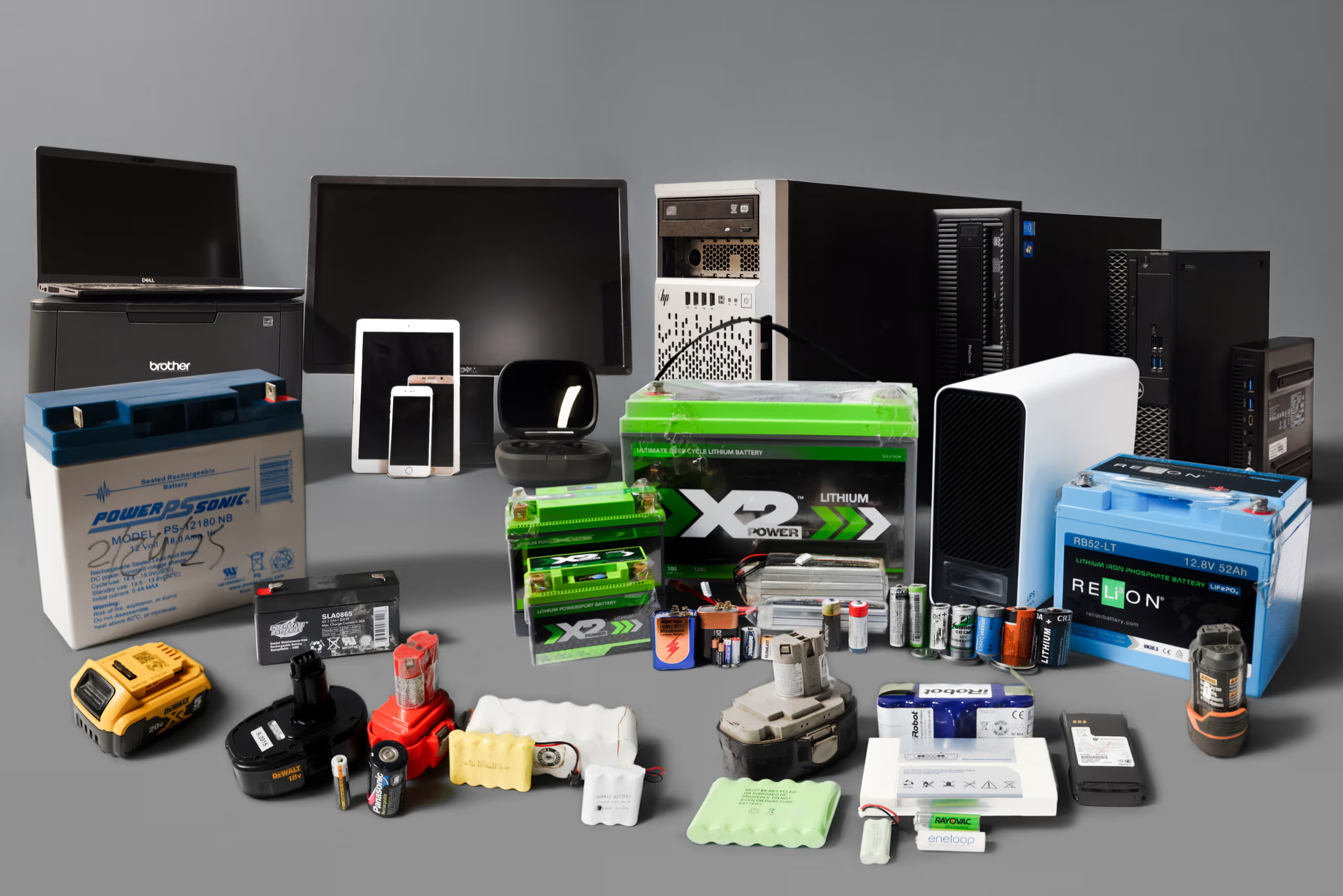
Battery recycling on construction sites comes down to a labeled container for each chemistry, somebody responsible for it, and pickups that keep pace with the project. Add electronics to the same plan and the roll-off stays clear of regulated waste. Request a quote for containers and job-site or yard pickups.
Sources
Landon Goodman , President
Landon Goodman is the founder and President of Modern Waste Solutions, which he has led since 1999. From the company's Sacramento facility he oversees an ISO-certified operation providing electronics recycling, battery recycling, and secure data destruction to businesses across California.