
Published September 20, 2026 · 6 min read · Updated September 27, 2026
What Is IT Asset Disposition (ITAD)? A Business Guide
Retired laptops, servers and drives are a data breach risk and regulated e-waste at the same time. IT asset disposition (ITAD) handles both and leaves you with records to prove it. Here is how the process works and how a California business should choose a partner.
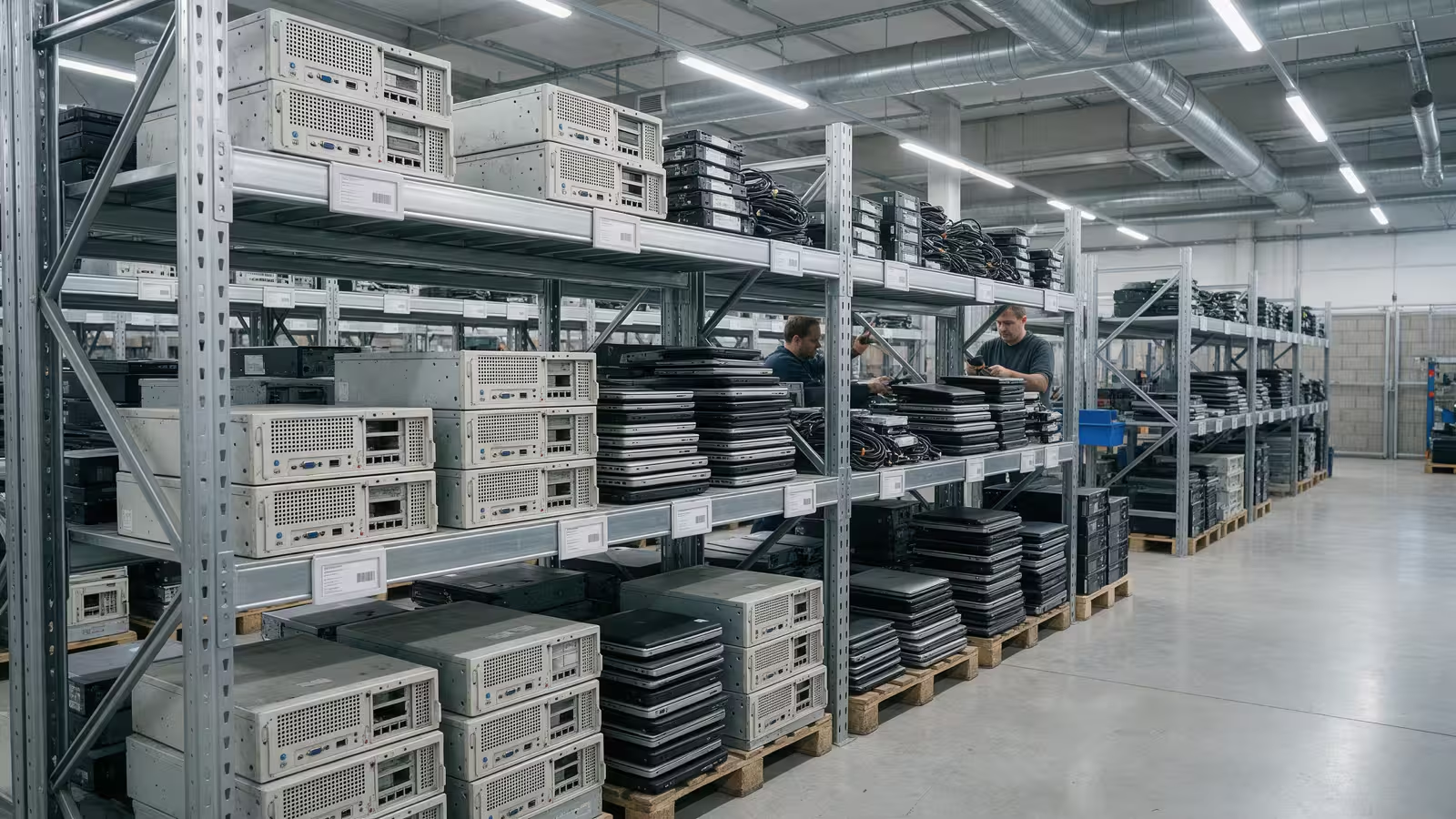
When a business retires a server rack, a fleet of laptops or a drawer of old phones, that hardware turns from an asset into a liability. Each device may still hold client records, financial data or saved logins, and each is electronic waste that California does not allow in the trash. IT asset disposition (ITAD) is the process that deals with both problems: it erases or destroys the data, recovers whatever value is left and sends the rest to authorized recycling, with a record for every device.
Modern Waste Solutions has operated since 1999 from its Sacramento facility, providing secure data destruction, electronic waste recycling and asset disposition for organizations throughout California. This guide explains what IT asset disposition is, why it matters, how the process runs step by step, which documents to expect and how to choose a partner whose records will hold up in an audit.
IT asset disposition is the end-of-life management of retired technology: computers, servers, storage media, networking gear, phones and other electronics, from the day they leave service until they are erased, resold or recycled. Throwing hardware away or handing it to whoever offers a free pickup skips most of that work. An ITAD program treats every device as both a data risk and a regulated material and keeps a record for each one.
A complete ITAD record answers three questions for every asset: where the data went, where any value went and where the material went. If the paperwork cannot answer all three, the equipment was disposed of without being tracked.
Four reasons apply to almost every organization, and most underestimate at least one.
- Data security. A decommissioned drive can still be read. Sanitizing media to a recognized standard such as NIST SP 800-88, or physically destroying it, is how you make sure client and employee data cannot be recovered.
- Environmental compliance. Under California's universal waste and hazardous waste rules, most electronics are prohibited from landfills, and the business that generates the material stays responsible for it until it reaches an authorized destination.
- Value recovery. Working laptops, servers and networking gear can be tested, refurbished and resold, which offsets disposition costs and keeps usable equipment in service longer.
- Audit trail. Regulators, insurers and clients ask more often for proof of what happened to retired assets. A chain of custody and a destruction certificate let you show it instead of just saying it.
The exact steps vary with asset type and data sensitivity, but an ITAD program follows the same lifecycle each time.
| Stage | What happens |
|---|---|
| 1. Inventory & audit | Every device is logged, often barcode-scanned, by make, model and serial number to create the master record for the batch. |
| 2. Secure chain of custody | Assets are collected in locked or sealed transport and tracked from your site to the processing facility. |
| 3. Data sanitization or destruction | Drives are wiped to a recognized standard or physically shredded, and each action is recorded against the device's serial number. |
| 4. Triage & value recovery | Working equipment is tested and graded for resale or redeployment; everything else moves to recycling. |
| 5. Recycling & material recovery | Electronics that cannot be reused are dismantled so metals, plastics and circuit boards are recovered and kept out of landfills. |
| 6. Reporting & certificates | You receive inventory and disposition reporting plus certificates of data destruction and recycling. |
Larger retirements, such as an office move, a refresh cycle or a full data center decommissioning, follow the same lifecycle with tighter scheduling and on-site controls. If you are retiring racks and networking gear, our guide to business server disposal covers the details.
Businesses often skip the paperwork and regret it later. Two records matter most, and a credible provider issues both without being asked.
A chain-of-custody record tracks each asset from pickup through final processing: who handled it, when and where. It shows that the material was never left unattended or sent somewhere unauthorized. For sensitive equipment, custody should be traceable to the individual serial number.
A certificate of data destruction confirms that each drive was sanitized or physically destroyed and should name the method and standard used. A certificate of recycling confirms that material that could not be reused was processed through an authorized recycler. Together they answer a regulator, client or auditor who asks where your retired technology went. For drives that will be reused, see our NIST 800-88 hard drive wiping service; for drives that must be destroyed, see secure data destruction.
Some recyclers offer pickup and recycling without asset-level disposition, and a "free" pickup can carry data and compliance risk. Check these points before you sign:
- Audited management systems. Modern Waste Solutions holds ISO 9001, ISO 14001 and ISO 45001, covering quality, environmental management and worker safety.
- Documented data destruction. The provider should sanitize media to a recognized standard such as NIST SP 800-88 or physically destroy it, and certify each device individually.
- A downstream you can verify. Ask where the material goes. A responsible partner uses authorized channels and can show you, instead of exporting the problem.
- California knowledge and coverage. Your partner should know DTSC's Universal Waste Rule and CalRecycle's requirements and serve your locations reliably.
- Reporting as a standard deliverable. Inventory reports, chain of custody and certificates should come with the service, not as an extra.
For the recycling side of disposition, see how we handle electronic waste recycling for California organizations.
What is the difference between ITAD and e-waste recycling?
E-waste recycling handles the material at end of life. ITAD also secures the data on each device and recovers value through resale or redeployment before anything is recycled, so recycling is one stage inside ITAD.
Do I need a certificate of data destruction?
If your retired devices ever held client, employee, financial or health data, yes. The certificate is your proof that the data was destroyed, and regulators, insurers and clients expect to see it.
Can old IT equipment go in the regular trash in California?
No. Most electronics are regulated under California's universal waste and hazardous waste rules and are prohibited from landfills. The business that generates the equipment remains responsible for it until it reaches an authorized destination.
Is data wiping as secure as physical destruction?
Wiping to a recognized standard such as NIST SP 800-88 works for drives that will be resold or redeployed. For the most sensitive data, or drives that cannot be verified, physical destruction removes any doubt. A good provider helps you pick the method device by device.
IT asset disposition turns a pile of retired hardware into a documented process in which the data is secured, value is recovered, material is recycled and each step can be shown on paper. For a California business, those records are the part of the risk you control. If your organization is planning a refresh, a move or a decommissioning, request a quote from Modern Waste Solutions and we will build an ITAD program around your assets, data sensitivity and locations.
- NIST SP 800-88 Rev. 2, Guidelines for Media Sanitization: csrc.nist.gov/pubs/sp/800/88/r2/final
- U.S. EPA, Sustainable Materials Management: epa.gov/smm
- California DTSC: dtsc.ca.gov
- CalRecycle: calrecycle.ca.gov
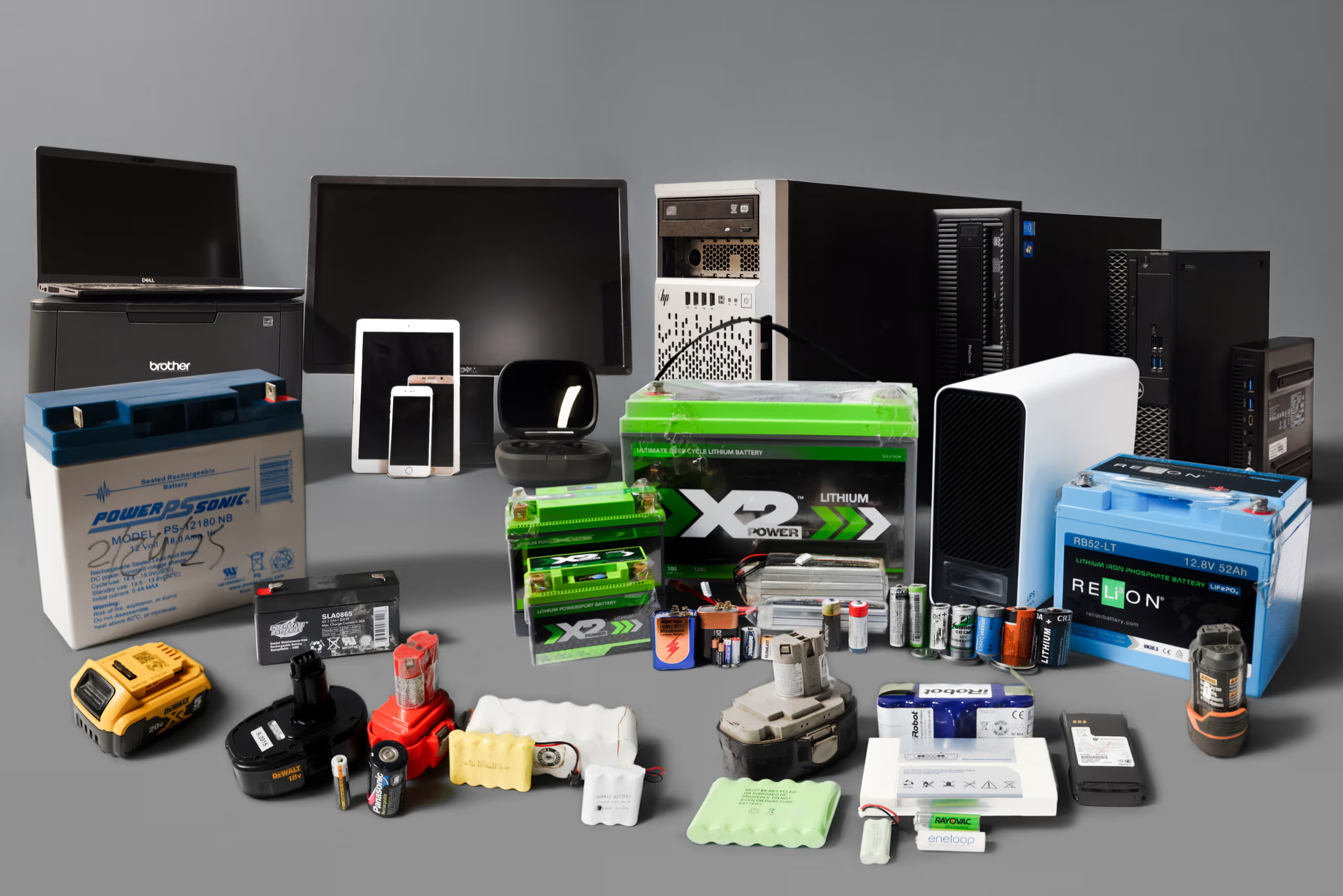

Simplify your compliance and disposal process with bundled recycling services that handle both electronic devices and batteries in one streamlined solution.

Our scheduled, route-based pickups cover all major regions of California—ensuring efficient, on-time service no matter where you operate.
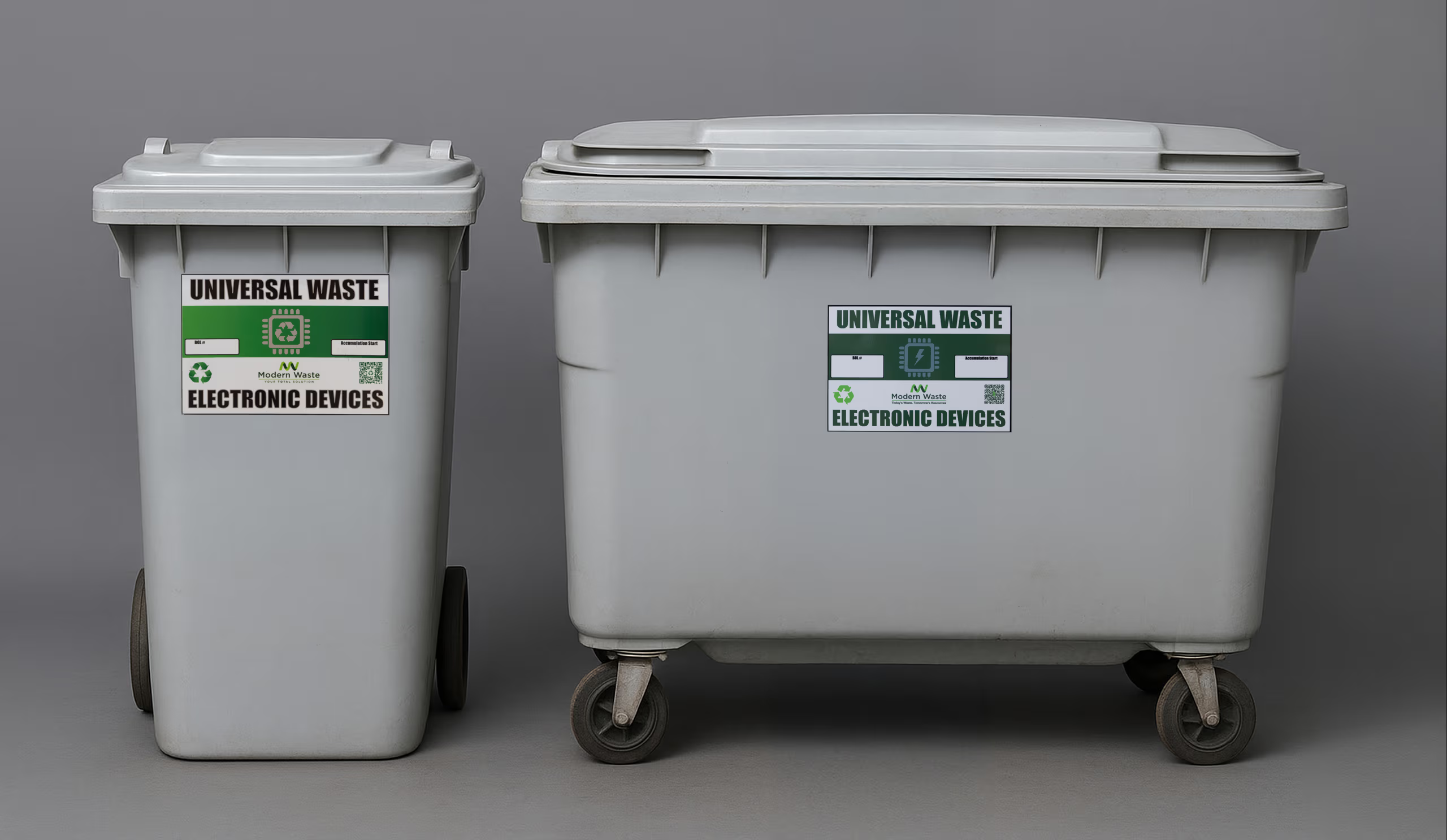
We provide clearly labeled, tamper-resistant containers to ensure safe and compliant collection of electronic waste and batteries at your location.

Modern Waste Solutions has served businesses and communities across California with dependable, environmentally responsible recycling solutions for over two decades.
We adhere to all California and federal regulations, ensuring your electronic and battery waste is managed with complete transparency and environmental responsibility.

Reviews
A little bit off the beaten track in Natomas, but Modern Waste quickly and efficiently helped me recycle my broken Lithium Iron Phosphate batteries at a reasonable $/lb fee (Sac county e-waste will not accept these items). Ramiro and Vincent were very friendly and helpful.

Chris was awesome! He came in and picked up all of the e-waste we had ready for him. He was polite and professional throughout the entire process. He handled the equipment with care, including the site equipment that was already in place. I am very happy with his service and appreciate the great job he did.

Aaron and Vincent were awesome, excellent customer service!

Great guys, excellent customer service, highly recommend!

Polite, quick and easy.

Chris from modern waste was the most outstanding respectful person I ever met my life when he was done he offered to sweep the floors. He offered so much even though he was limited on time he went out of his way and he’s over beyond best guy I ever met thank you so much for your service services Dan ITG.

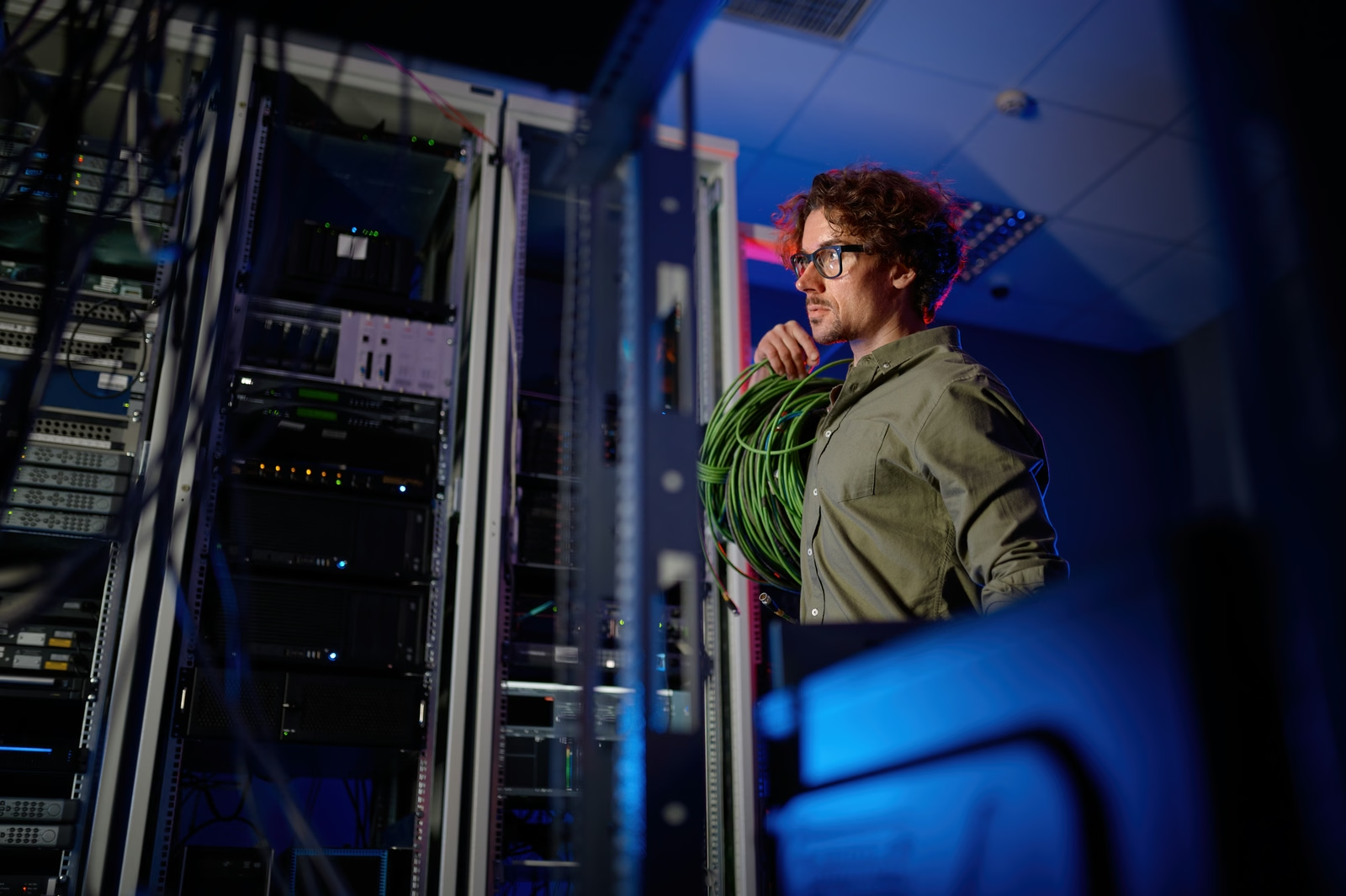
Data center decommissioning is a controlled change project that retires workloads, infrastructure, and records without interrupting systems that must remain live. Here is the full process, from go/no-go to final reconciliation.
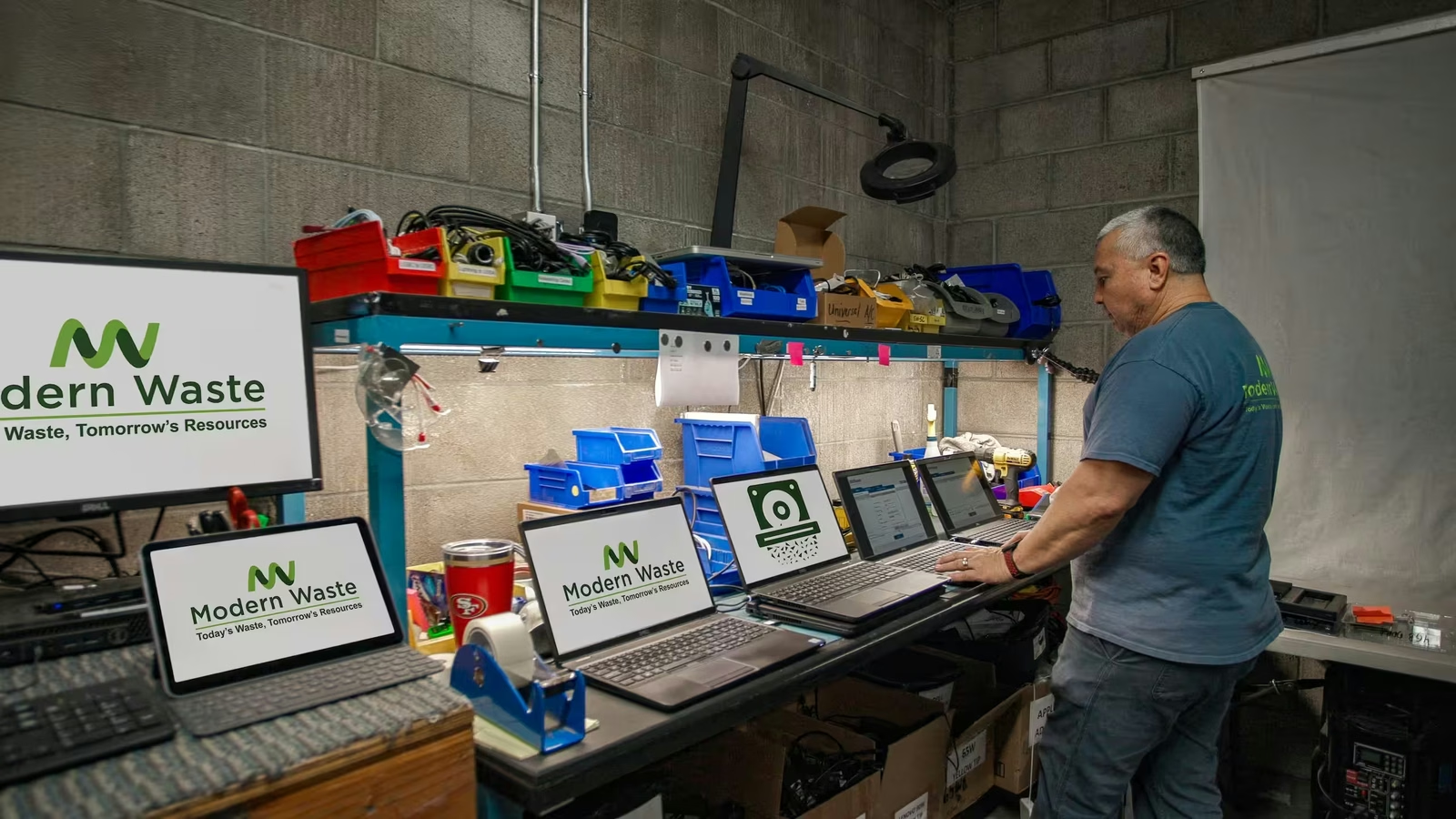
A mature ITAD program connects asset ownership, data security, environmental compliance, logistics, financial recovery, and reconciliation. Here is how the process works, what it costs, and how to evaluate a provider.
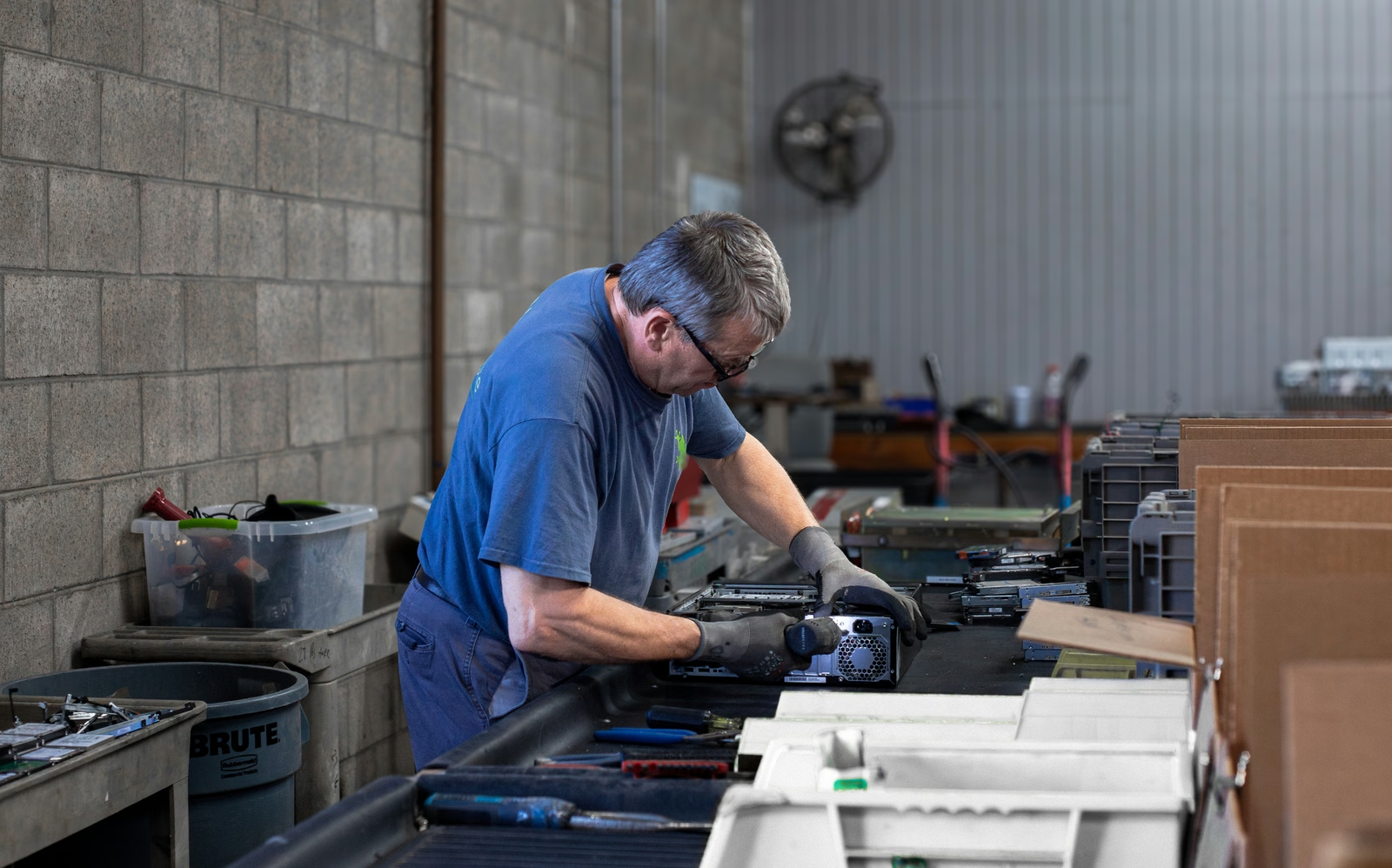
IT equipment liquidation converts marketable retired assets into documented financial recovery while routing nonmarketable equipment to responsible recycling. Here is how to decide which path fits each asset.