

February 25, 2026
Recycling old electronics protects the environment by reducing toxic waste, conserving valuable resources, and keeping harmful materials out of landfills.
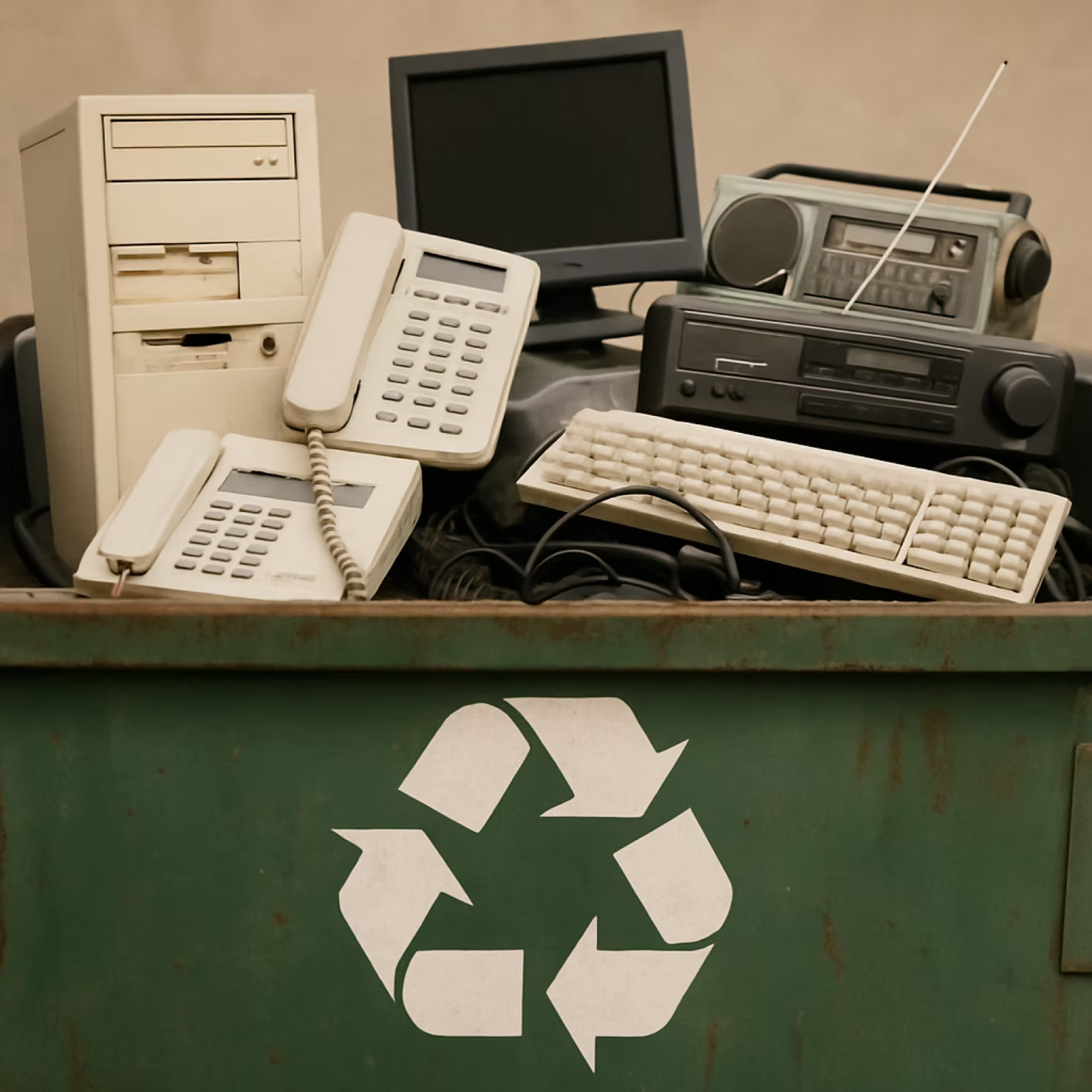
In today's fast-paced world, technology is constantly evolving. With new gadgets and devices hitting the market every year, many of us are left with a pile of old electronics gathering dust in our homes. But what do you do with these outdated devices? Throwing them away is not an eco-friendly option, as electronic waste, or e-waste, is a growing environmental concern. Instead, recycling old technology is the smart and sustainable choice. In this comprehensive guide, we will explore the importance of recycling electronics, where to recycle them, how to do it effectively, and what the future holds for e-waste recycling.
Recycling old electronics is not merely a matter of convenience; it is a critical component of environmental stewardship. E-waste contains harmful chemicals like lead, mercury, and cadmium that can leach into the environment if not disposed of properly. Recycling helps prevent these toxins from polluting our soil and water. Moreover, many components of electronic devices can be reused or repurposed, reducing the need for raw materials and conserving energy.
The environmental benefits of recycling electronics are significant. By recycling, we reduce the demand for mining and manufacturing new materials, which saves energy and reduces greenhouse gas emissions. In addition, recycling helps conserve natural resources, as many electronic components, such as metals and plastics, can be reused in new products.
One of the most immediate benefits of recycling electronics is the reduction of landfill waste. Electronic devices often contain non-biodegradable materials that can remain in landfills for hundreds of years. By recycling, we divert these materials from landfills, reducing the burden on our waste management systems.
Every electronic device is a treasure trove of precious metals and other valuable materials. Recycling allows us to recover these resources, which can then be used to manufacture new products. This not only conserves resources but also reduces the environmental impact of mining and processing raw materials.
E-waste, when improperly disposed of, can release harmful substances into the environment. Recycling mitigates this risk by ensuring that these substances are handled safely. This process prevents pollution of our air, water, and soil, contributing to a cleaner and healthier planet.
Recycling old electronics also has economic advantages. The recycling industry creates jobs and supports local economies. Additionally, by extending the life of electronic components, recycling can help reduce the cost of manufacturing new devices.
The e-waste recycling industry is a significant source of employment. From collection and sorting to processing and manufacturing, recycling facilities require a diverse workforce. This not only provides jobs but also contributes to the economic development of communities.
Recycling reduces the cost of manufacturing new electronics by supplying manufacturers with recycled materials. This decreases the need for expensive raw materials and helps keep the cost of new products down, benefiting both businesses and consumers.
The demand for better recycling methods has spurred innovation in the recycling industry. Companies are investing in new technologies to improve the efficiency and effectiveness of recycling processes, leading to economic growth and increased competitiveness.
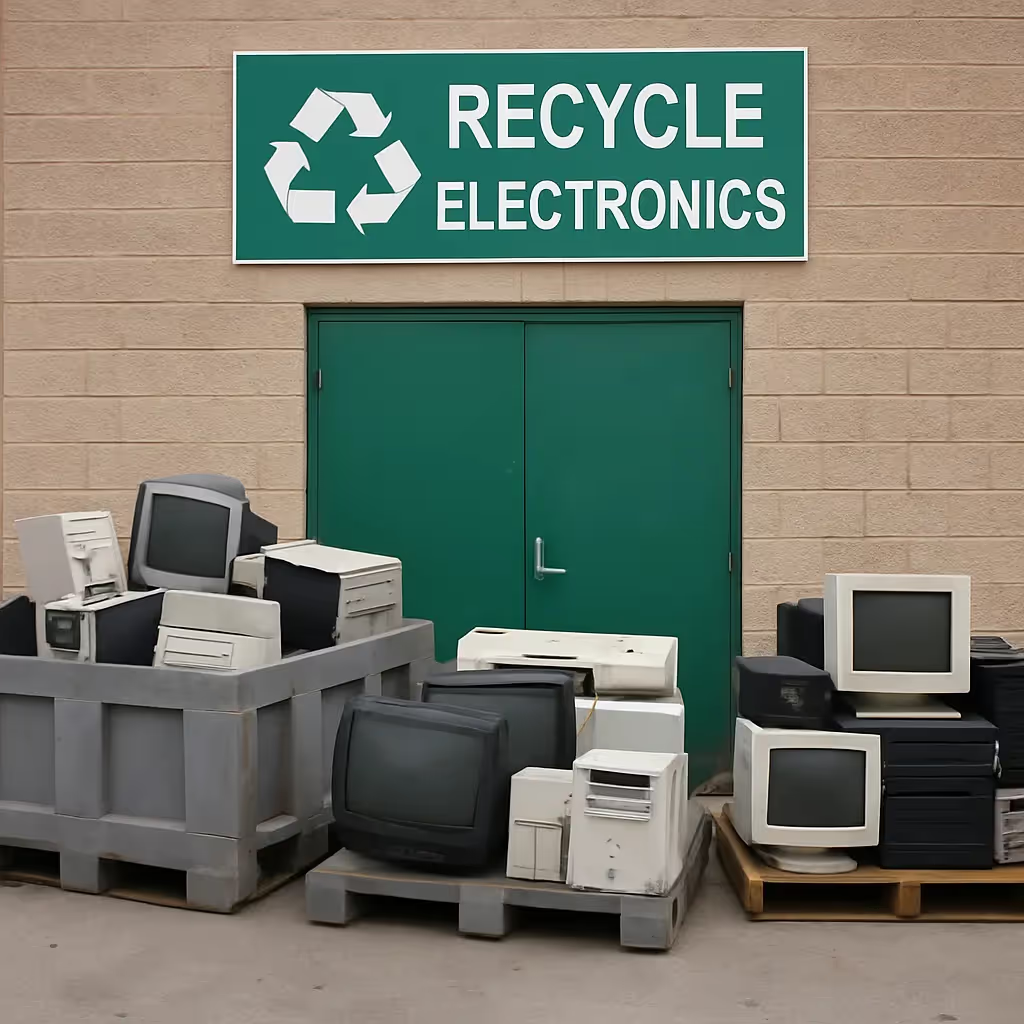
Finding a place to recycle your old electronics is easier than you might think. Many retailers and organizations offer recycling programs to help you dispose of your gadgets responsibly. Let’s explore some of the most accessible options.
Best Buy's recycling program is known for its inclusivity. From small gadgets like cell phones to larger items such as televisions, their program covers a broad spectrum of electronic devices. This makes it a convenient option for consumers looking to recycle multiple items at once.
Best Buy partners with certified recyclers to ensure that all electronics are processed safely and responsibly. This means that your old gadgets are dismantled in a way that minimizes environmental impact and maximizes material recovery.
In addition to recycling, Best Buy offers trade-in programs where you can receive store credit for certain devices. This incentivizes consumers to recycle more and reduces the financial burden of upgrading to new technology.
Many communities have local recycling centers that accept e-waste. These facilities often offer free or low-cost recycling services. To find a center near you, check with your city or county government for a list of approved e-waste recyclers.
Local recycling centers are often located within easy reach of residential areas, making it convenient for people to drop off their e-waste. These centers play a crucial role in community-based recycling efforts and encourage local participation in sustainable practices.
Many local centers offer e-waste recycling services at little to no cost. This accessibility ensures that all members of the community can participate in responsible recycling, regardless of their financial situation.
Local recycling centers often engage with their communities through educational programs and events. These initiatives help raise awareness about the importance of recycling and provide residents with the knowledge and tools they need to recycle effectively.
Some electronics manufacturers offer take-back programs, where they accept their products for recycling. Companies like Apple, Dell, and HP have initiatives to recycle their devices, ensuring proper disposal and recovery of valuable materials.
Manufacturer take-back programs are tailored to specific brands, ensuring that devices are recycled according to the company's standards. This guarantees that materials are recovered efficiently and that the devices are disposed of in an environmentally friendly manner.
Many manufacturers offer incentives for consumers who participate in take-back programs. These can include discounts on future purchases or trade-in credits, encouraging more people to recycle their old electronics.
By implementing take-back programs, manufacturers can create closed-loop systems where materials from old devices are used to produce new ones. This reduces waste and aligns with circular economy principles, promoting sustainability in the tech industry.
Several nonprofit organizations and environmental groups run eco-friendly recycling programs. These initiatives focus on sustainable disposal practices and often work to raise awareness about the importance of recycling e-waste.
Eco-friendly initiatives often collaborate with local communities to organize recycling drives and events. These partnerships help maximize participation and ensure that recycling efforts reach as many people as possible.
Nonprofit organizations play a vital role in advocating for better recycling policies and practices. They also provide educational resources to help individuals understand the environmental impact of e-waste and the benefits of recycling.
Many eco-friendly initiatives operate on a global scale, addressing e-waste challenges in developing countries. By promoting responsible recycling practices worldwide, these organizations contribute to global environmental conservation efforts.
by Ochir-Erdene Oyunmedeg (https://unsplash.com/@chiklad)
Recycling old technology involves a few simple steps to ensure your devices are disposed of properly and securely. Following these steps will help protect your privacy and ensure that your electronics are recycled in an environmentally friendly manner.
Before recycling any electronic device, it's crucial to back up your data. Transfer important files, photos, and documents to a secure location, such as an external hard drive or cloud storage service. This ensures you don't lose valuable information during the recycling process.
There are several ways to back up your data, each with its own advantages. Cloud storage services, like Google Drive or Dropbox, offer convenient and secure options for storing data online. Alternatively, external hard drives provide a physical backup solution that can be easily accessed without an internet connection.
Take the opportunity to organize and declutter your files during the backup process. Sort through your data to identify important documents and delete any unnecessary files. This ensures that your backup is efficient and that you're only saving what you need.
After backing up your data, verify that all important files have been successfully transferred. This step provides peace of mind and confirms that your valuable information is secure before you proceed with recycling your device.
Once you've backed up your data, wipe your device clean of any personal information. This step is essential for protecting your privacy and preventing identity theft. Most devices have a factory reset option that erases all data, returning the device to its original settings.
Different devices have different methods for resetting to factory settings. Consult your device's manual or manufacturer's website for specific instructions on how to perform a factory reset. This ensures that you follow the correct procedure for your particular device.
For added security, consider using data-wiping software that overwrites your data multiple times. This makes it more difficult for anyone to recover your information after the device has been reset, providing an extra layer of protection for your personal data.
After resetting your device, double-check that all personal information has been removed. Navigate through the device to ensure that no sensitive data remains. This final step is crucial for safeguarding your privacy before recycling.
Before recycling, remove any batteries and accessories from your devices. Batteries, in particular, can be hazardous if not disposed of correctly. Many recycling programs have specific guidelines for battery disposal, so be sure to check and follow their instructions.
When removing batteries, take care to avoid damaging them, as this can pose safety risks. Use the appropriate tools and follow manufacturer guidelines to safely extract batteries from your devices.
In addition to the main device, remember to recycle accessories such as chargers, cables, and headphones. Many recycling programs accept these items, ensuring that all components of your electronic devices are disposed of responsibly.
Some accessories and batteries contain hazardous materials that require special handling. Check with your recycling program or local waste management authorities for guidance on disposing of these items safely and in compliance with regulations.
With your device prepared, it's time to choose a recycling program. Consider factors such as convenience, cost, and environmental impact when selecting a program. Many retailers and manufacturers offer free recycling services, making it easy to dispose of your gadgets responsibly.
Take the time to research various recycling programs to find one that suits your needs. Look for programs that are transparent about their recycling processes and have certifications indicating adherence to environmental standards.
Choose a program that prioritizes environmentally friendly practices. Programs that partner with certified e-waste recyclers and follow sustainable disposal methods are ideal choices for responsible recycling.
Consider the convenience of the recycling program, including location and drop-off procedures. Opt for a program that offers easy access and straightforward instructions, making the recycling process as hassle-free as possible.
As technology continues to advance, the volume of e-waste will likely increase. However, with growing awareness and improved recycling practices, we can minimize the environmental impact of discarded electronics. The future of e-waste recycling holds promising developments that will enhance our ability to manage electronic waste sustainably.
New technologies are emerging to make e-waste recycling more efficient and effective. Innovations such as automated sorting systems and advanced recovery processes are helping to increase the recovery of valuable materials from old electronics.
Automated sorting systems use advanced robotics and artificial intelligence to separate different materials in e-waste. These systems improve the speed and accuracy of sorting, allowing for more efficient recycling processes and higher recovery rates of valuable materials.
Emerging recovery technologies are capable of extracting precious metals and other valuable components from e-waste with greater efficiency. These processes reduce waste and maximize the use of recovered materials, supporting sustainable manufacturing practices.
Innovations in recycling technology are also leading to more sustainable practices, such as closed-loop recycling systems. These systems aim to create a continuous cycle of material reuse, minimizing waste and reducing the demand for new raw materials.
Consumer demand for sustainable electronics is on the rise. Many manufacturers are now designing products with eco-friendly materials and energy-efficient features. By choosing sustainable electronics, you can reduce your environmental footprint and support responsible manufacturing practices.
Manufacturers are increasingly focusing on eco-friendly design, using materials that are biodegradable, recyclable, or sourced sustainably. These design choices reduce the environmental impact of electronics production and disposal.
Energy-efficient electronics consume less power, leading to lower greenhouse gas emissions and reduced energy costs for consumers. By opting for energy-efficient devices, consumers can contribute to environmental conservation and enjoy financial savings.
Choosing to purchase from brands that prioritize sustainability sends a powerful message to the industry. By supporting companies that invest in eco-friendly practices, consumers can drive positive change and encourage more responsible manufacturing across the tech sector.
Education and awareness are key to promoting responsible e-waste recycling. By spreading the word about the importance of recycling old technology, we can encourage more people to participate in eco-friendly disposal practices.
Educational campaigns play a crucial role in raising awareness about e-waste issues. These campaigns inform the public about the environmental impact of electronic waste and provide guidance on how to recycle responsibly.
Encouraging community involvement in recycling initiatives fosters a sense of collective responsibility and empowers individuals to make a positive impact. Community events, workshops, and recycling drives are effective ways to engage people and promote recycling efforts.
Advocating for stronger e-waste recycling policies at local, national, and international levels is essential for driving systemic change. By supporting policy initiatives that promote recycling and sustainability, we can create a more robust framework for managing e-waste.
Recycling old technology is not just a responsible choice; it's an essential step towards a sustainable future. By recycling your old electronics, you can help protect the environment, conserve resources, and support the economy. With a variety of recycling programs available, it's easier than ever to dispose of your gadgets responsibly. So the next time you're wondering where to recycle old electronics, remember that there are plenty of options to make a positive impact. By participating in e-waste recycling efforts, you are contributing to a cleaner, greener world for future generations.
Recycling old electronics protects the environment by reducing toxic waste, conserving valuable resources, and keeping harmful materials out of landfills.

Avoid costly mistakes when downsizing your office—securely recycle, resell, and save time with expert help.
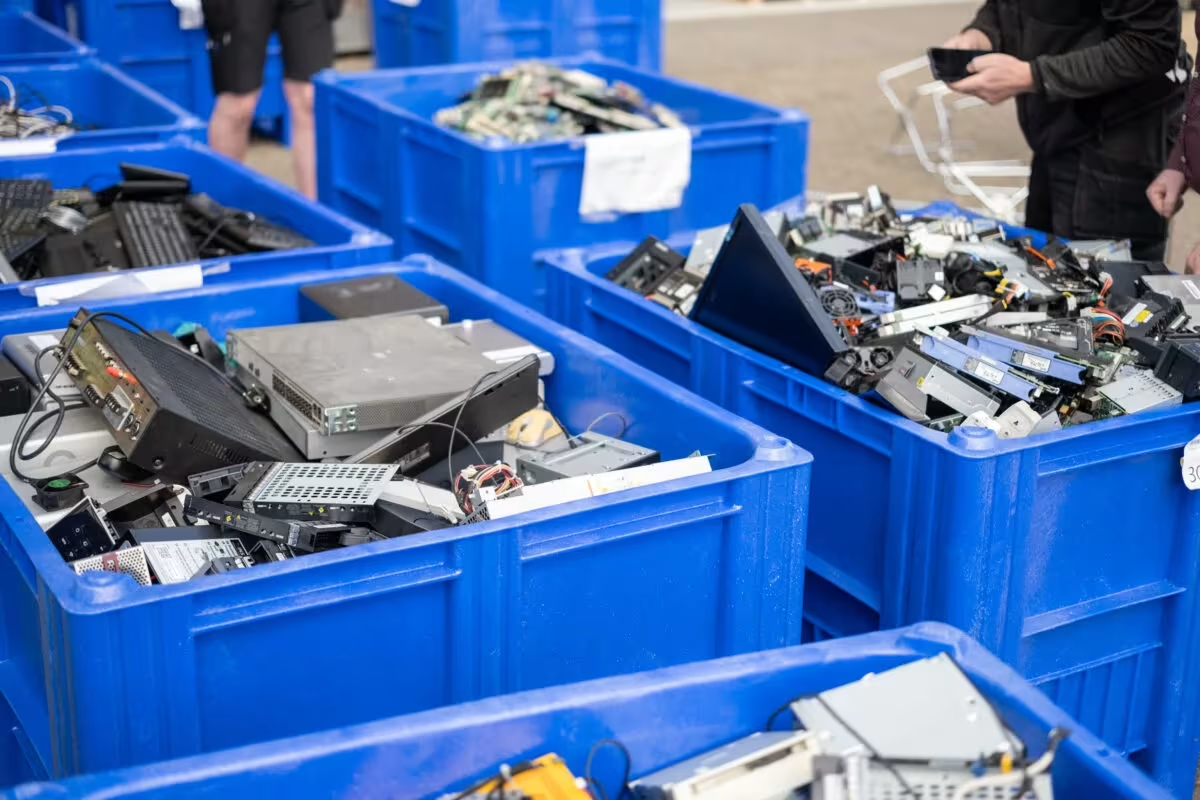
A simple, full-service solution for your company’s electronic and battery waste.